
Beautiful Plants For Your Interior
Beautiful Plants For Your Interior
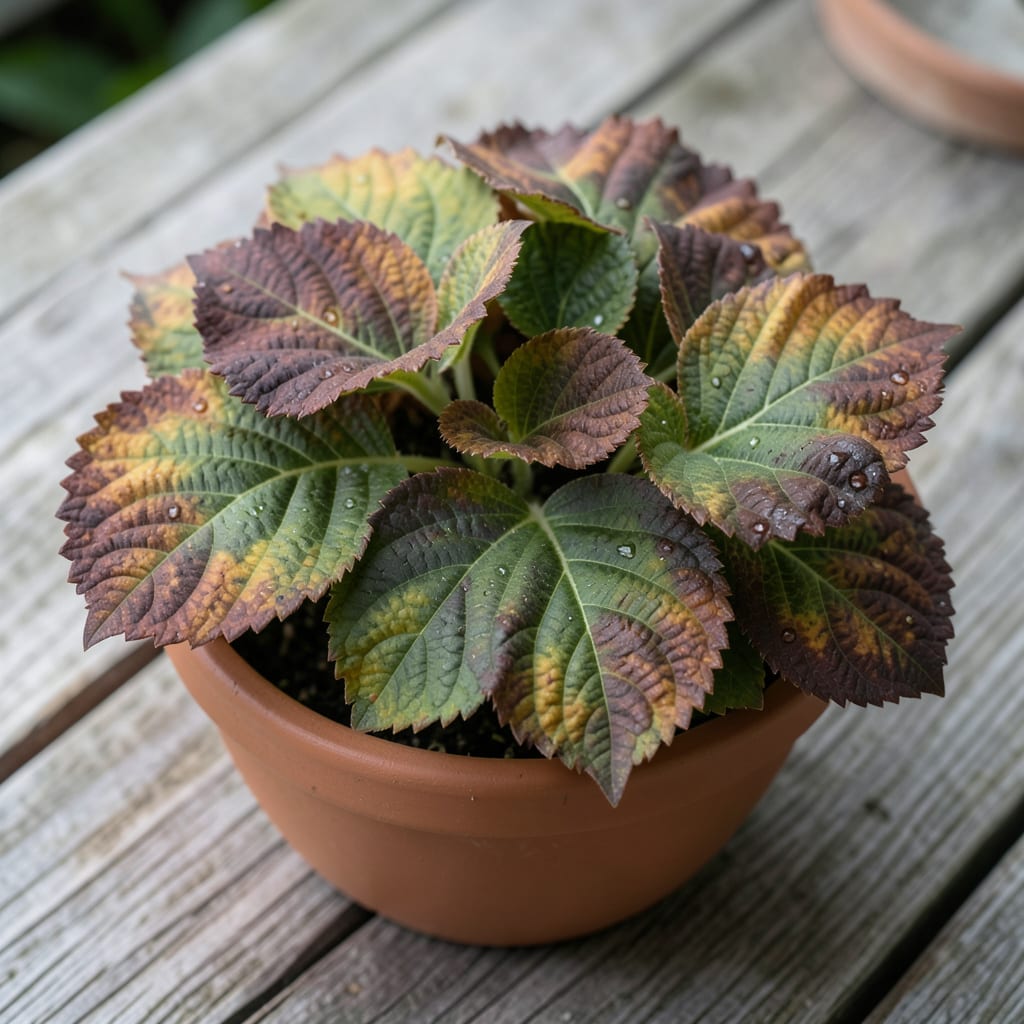
Brown edges on hydrangea leaves ruined my summer blooms last year. I traced it back to inconsistent watering during a heat wave—turns out, these plants are drama queens about moisture.
Leaf scorch isn’t a death sentence, though. Catching it early means salvaging most of the season. The key is adjusting your routine before the damage spreads to new growth.
You’ll see recovery within 2-3 weeks of fixing the issue, with fresh green leaves replacing the crispy ones. The flowers bounce back faster than you’d expect.
Prevention is simpler than treatment. A little attention to soil and sunlight now saves you from brown leaves later.
Leaf scorch on hydrangeas often stems from environmental stress or cultural mismanagement. Here are the primary culprits:
Hydrangeas thrive in partial shade, and prolonged exposure to intense sunlight—especially during heatwaves—can cause transpirational stress. The plant loses water faster than its roots can absorb it, leading to necrotic (brown) edges on leaves. This is common in varieties like Hydrangea macrophylla, which prefer cooler, dappled light.
Both underwatering and overwatering trigger scorch. Drought stress dehydrates leaf margins first, while waterlogged soil suffocates roots, impairing nutrient uptake. Aim for 1–1.5 inches of water per week, delivered at the base to avoid foliar burn. Mulching helps retain moisture.
Compacted or nutrient-poor soil restricts root growth, limiting the plant’s ability to access water and minerals. A pH imbalance (outside 5.2–6.5 for most hydrangeas) can also lock out essential nutrients like iron, exacerbating stress. Test soil annually and amend with organic matter.
Strong winds accelerate moisture loss and physically damage leaves, creating entry points for pathogens. Shelter hydrangeas with windbreaks or plant them in protected locations.
Pathogens like Xanthomonas or Botrytis can cause scorch-like symptoms, often with yellow halos or spots. These thrive in humid conditions or wet foliage. Improve air circulation and avoid overhead watering to reduce risk.
Leaf scorch on hydrangeas is often reversible with the right care. Below are targeted fixes for the most common causes, along with prevention tips to keep your plants thriving.
If dry soil or heat is the culprit, water deeply at the base of the plant (avoid wetting leaves) in the early morning. Aim for 1–2 inches of water per week, adjusting for rainfall. Mulch with 2–3 inches of organic matter (like shredded bark) to retain moisture. Prevention tip: 💡 Install a drip irrigation system for consistent hydration.
Soggy roots can mimic drought stress. Check soil by sticking your finger 2 inches deep—if it’s damp, hold off on watering. Improve drainage by amending heavy clay soil with compost or planting hydrangeas in raised beds. Prevention tip: ✨ Use containers with drainage holes if your garden stays waterlogged.
Hydrangeas prefer partial shade, especially in hot climates. Relocate potted plants to a spot with afternoon shade, or erect a shade cloth for in-ground plants. For immediate relief, prune affected leaves to reduce stress. Prevention tip: 🎯 Plant new hydrangeas in east-facing beds where they get gentle morning sun.
Flush the soil with 4–6 inches of water to leach out excess salts from fertilizers or de-icing products. Avoid high-nitrogen fertilizers; opt for a balanced, slow-release formula (10-10-10) in spring. Prevention tip: 🌡️ Test soil annually and adjust amendments accordingly.
Inspect leaves for spider mites, aphids, or fungal spots. Blast pests off with water or apply neem oil. For fungal issues, remove infected leaves and improve air circulation by thinning crowded stems. Prevention tip: ✨ Space plants 3–4 feet apart and water at the base to keep foliage dry.
With prompt action, most hydrangeas bounce back quickly. Stay vigilant, and your blooms will thank you!
Yes, with proper care, most hydrangeas recover in 2-3 weeks. Remove damaged leaves and address the underlying cause like watering or sun exposure for best results.
Both underwatering and overwatering can lead to scorch. Check soil moisture 2 inches deep—if damp, hold off on watering.
Morning is ideal. It allows foliage to dry before evening, reducing fungal risks. Aim for 1-2 inches per week at the base, not the leaves.
Yes, trim affected leaves to reduce stress and redirect energy to healthy growth. Use clean shears and avoid removing more than 1/3 of the foliage.
