
Beautiful Plants For Your Interior
Beautiful Plants For Your Interior
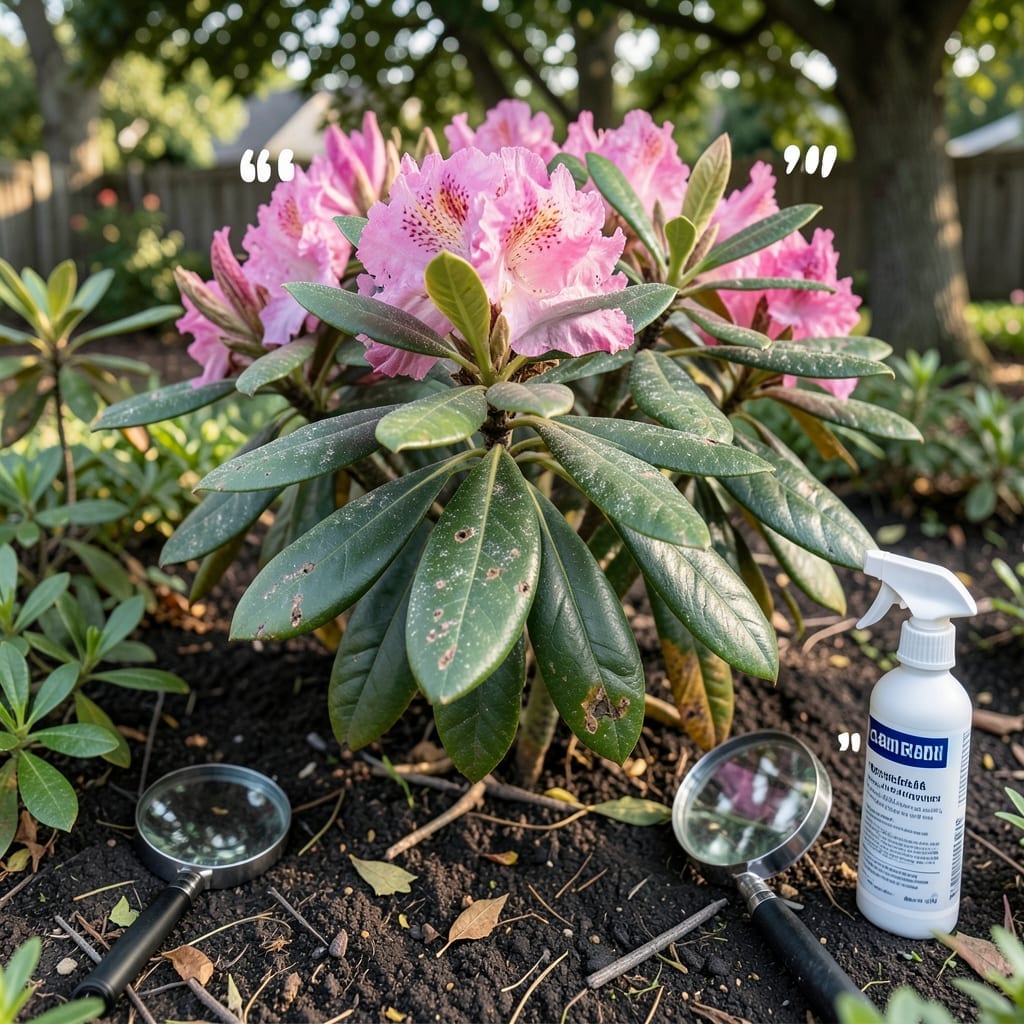
Spotted leaves and wilting branches on your rhododendron aren’t just ugly—they’re a red flag. I learned this the hard way after losing two mature plants to fungal infections that spread faster than I could diagnose them.
Early signs often look like dark spots, powdery coatings, or sudden leaf drop. The key is catching it before the damage becomes permanent. Most gardeners miss the first symptoms because they blend in with normal leaf variations.
With the right approach, you can stop the spread and often save the plant. I’ve tested several methods, and the most effective ones start with simple observation and quick action.
Works for all rhododendron varieties in any climate. Here’s how to identify and treat it properly.
Fungal diseases in rhododendrons thrive under specific environmental and cultural conditions. Understanding these triggers helps gardeners prevent outbreaks and protect their plants effectively.
Fungi like Phytophthora and Pythium flourish in waterlogged soil. Overwatering, poor drainage, or heavy clay soils create anaerobic conditions that stress rhododendron roots, making them vulnerable to infection. Action: Ensure well-draining, acidic soil and avoid overhead watering to reduce leaf wetness.
Warm, humid environments (60–80°F with 90%+ humidity) accelerate fungal spore germination. Diseases like powdery mildew and leaf spot spread rapidly in these conditions. Action: Improve air circulation with proper spacing and prune dense foliage to lower humidity around plants.
Crowded plantings or thick mulch layers trap moisture and restrict airflow, creating microclimates ideal for fungi such as Botrytis. Action: Space plants at least 3–5 feet apart and thin out overgrown branches to promote drying.
Fungal spores overwinter in fallen leaves, dead wood, and contaminated soil. Exobasidium and Septoria can reinfect new growth if debris isn’t removed. Action: Rake and destroy infected material; sterilize pruning tools between cuts to prevent spread.
Over-fertilization with nitrogen or calcium deficiencies weaken rhododendrons, reducing their natural resistance. Action: Test soil pH (ideal: 4.5–5.5) and use balanced, slow-release fertilizers tailored for acid-loving plants.
Fungal diseases can wreak havoc on your rhododendrons, but with the right approach, you can restore their health and keep them thriving. Below are targeted solutions for common fungal issues, along with prevention tips to avoid future outbreaks.
Solution: Spray affected leaves with a neem oil or baking soda solution (1 tsp baking soda + 1 quart water + a few drops of dish soap). Apply in the early morning to avoid leaf burn. For severe cases, use a fungicide labeled for powdery mildew.
Prevention: Improve air circulation by pruning crowded branches. Water at the base to keep foliage dry, and avoid overhead irrigation.
Solution: Remove and destroy infected plants to prevent spread. Treat the soil with fungicidal drenches containing mefenoxam or phosphite. Amend heavy or poorly draining soil with organic matter to improve drainage.
Prevention: Plant rhododendrons in well-draining, raised beds and avoid overwatering. Use mulch to prevent soil splashing onto leaves.
Solution: Prune and dispose of infected leaves and branches. Apply a copper-based fungicide or chlorothalonil to protect healthy foliage. Clean pruning tools with rubbing alcohol between cuts to avoid spreading spores.
Prevention: Space plants properly for airflow, and water early in the day so leaves dry quickly. Remove fallen leaves and debris around the base to reduce fungal spores.
Look for dark spots on leaves, white powdery coating, or sudden leaf drop. These often appear on lower leaves first. Early detection is key to preventing spread.
If the infection is severe, remove and destroy the plant to protect others. For mild cases, prune affected areas and apply appropriate fungicides. Always sterilize tools between cuts.
Check weekly during warm, humid weather when fungi thrive. Pay special attention after rain or overhead watering, as moisture accelerates spore growth.