
Beautiful Plants For Your Interior
Beautiful Plants For Your Interior
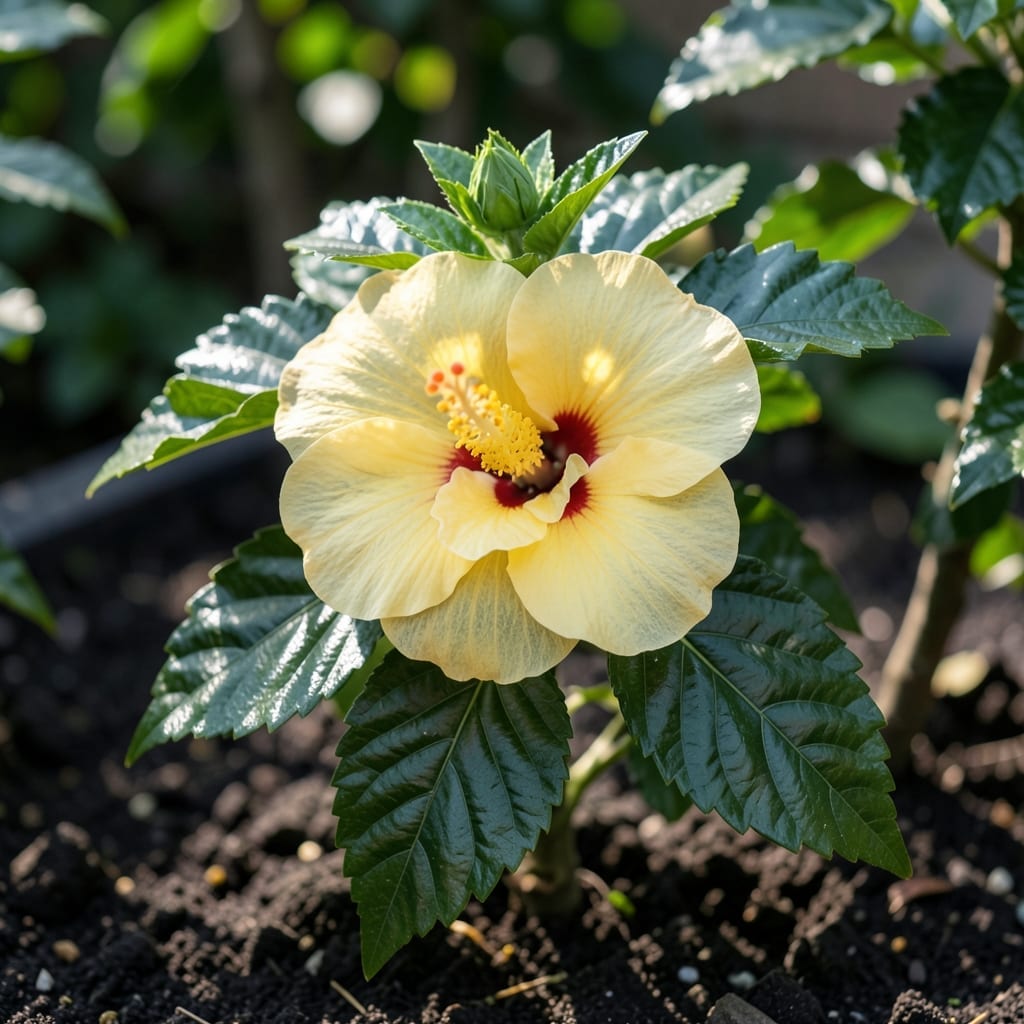
Double blooms that stop traffic. I planted my first double yellow hibiscus three seasons ago, and its layered petals still draw compliments from every visitor.
These stunners thrive in full sun with well-drained soil. Water deeply twice weekly once established, and you’ll get 6-inch flowers from midsummer through first frost. The key is consistent moisture without soggy roots.
📚 In This Guide
Here’s the method I rely on to cultivate these stunning dual-colored blooms with consistent success.
Choose a site with full sun exposure—at least 6-8 hours of direct sunlight daily is crucial for vibrant flower production. Double yellow hibiscus thrives in well-draining soil with a pH between 6.0 and 7.0. I always test my soil first because slightly acidic conditions produce the most vivid blooms.
If your soil is heavy clay or sand, amend it with 2-3 inches of organic matter worked into the top 12 inches. This improves both drainage and nutrient retention. Avoid low-lying areas where water pools, as hibiscus roots will rot in soggy conditions.
Dig planting holes twice as wide as the root ball but no deeper. For container-grown specimens, I gently loosen the roots if they’re circling the pot—this prevents girdling as the plant establishes. Set the plant so the top of the root ball sits 1-2 inches above the surrounding soil to allow for settling.
Space plants 3-4 feet apart to ensure good air circulation, which reduces disease risk. Backfill with native soil, water deeply, then add a 2-inch layer of mulch around the base, keeping it 6 inches away from the stem to prevent rot.
Water newly planted hibiscus deeply 2-3 times per week for the first month, then reduce to 1-2 times weekly once established. The key is maintaining evenly moist soil—never let it dry out completely or stay waterlogged. I check by inserting my finger 2 inches into the soil; if it feels dry, it’s time to water.
Morning watering is ideal as it allows foliage to dry before evening, reducing fungal disease risk. During extreme heat, you may need to water daily, but always check soil moisture first. Overwatering is just as harmful as underwatering with these plants.
Apply a balanced 10-10-10 fertilizer in early spring as new growth emerges. I use 1 tablespoon per square foot scattered around the base and lightly worked into the soil. Water thoroughly after application to prevent root burn.
Repeat every 4-6 weeks through the growing season, but stop fertilizing by late summer to avoid encouraging tender new growth that could be damaged by early frosts. For extra vibrant blooms, I supplement with a high-phosphorus liquid fertilizer monthly during peak flowering.
Prune established plants in early spring before new growth begins. Remove any dead, diseased, or crossing branches first. Then shape the plant by cutting back one-third of the previous year’s growth to encourage bushier growth and more flowering sites.
Deadhead spent blooms regularly to promote continuous flowering. I simply pinch off the faded flowers at their base, which also prevents seed formation and directs more energy into producing new blooms. Watch for aphids on new growth and treat with insecticidal soap if needed.
Small adjustments in planting and care make all the difference for vibrant dual blooms.
Sunlight Requirements: The 6-8 hours of direct sunlight specified in Step 1 isn’t just a suggestion—it’s essential for those vivid dual-color petals. I’ve found that morning sun with afternoon shade can work, but full sun produces the most spectacular blooms. If your garden has partial shade, consider container planting so you can move the hibiscus to sunnier spots as the day progresses.
Soil Preparation Insight: When amending your soil as described in Step 1, don’t just add organic matter to the planting hole. Work that 2-3 inches of organic material into the entire planting area to create a consistent environment. I learned this the hard way after seeing roots struggle to grow beyond the initial enriched pocket into the native soil.
Watering Technique: The finger test mentioned in Step 3 (checking 2 inches down) is more reliable than any moisture meter I’ve tried. Morning watering is non-negotiable for hibiscus—evening watering leaves foliage damp overnight, which practically invites fungal diseases. During heatwaves, I water at dawn and sometimes again in late afternoon, but always check that soil depth first.
Pruning Timing: The early spring pruning in Step 5 serves two purposes: it shapes the plant and removes any winter damage. That one-third reduction might seem aggressive, but it’s what triggers the bushy growth that produces more flowering sites. I mark my calendar for this task right after the last frost date for my zone.
Water regularly, ensuring well-drained soil, and provide full sun to partial shade. Prune lightly after flowering to encourage new growth. Fertilize monthly during the growing season with a balanced fertilizer.
Double yellow hibiscus typically blooms from late spring to early fall, with peak flowering in summer. Each bloom lasts 1-2 days, but the plant produces new flowers continuously during this period.
Aphids, whiteflies, and spider mites are common pests. Diseases include fungal leaf spots and root rot. Treat pests with insecticidal soap and prevent diseases with proper spacing and good air circulation.
Yes! Choose a large container with drainage holes. Use well-draining potting mix and water when the top inch of soil feels dry. Place in a sunny spot and fertilize regularly for best results.