
Beautiful Plants For Your Interior
Beautiful Plants For Your Interior
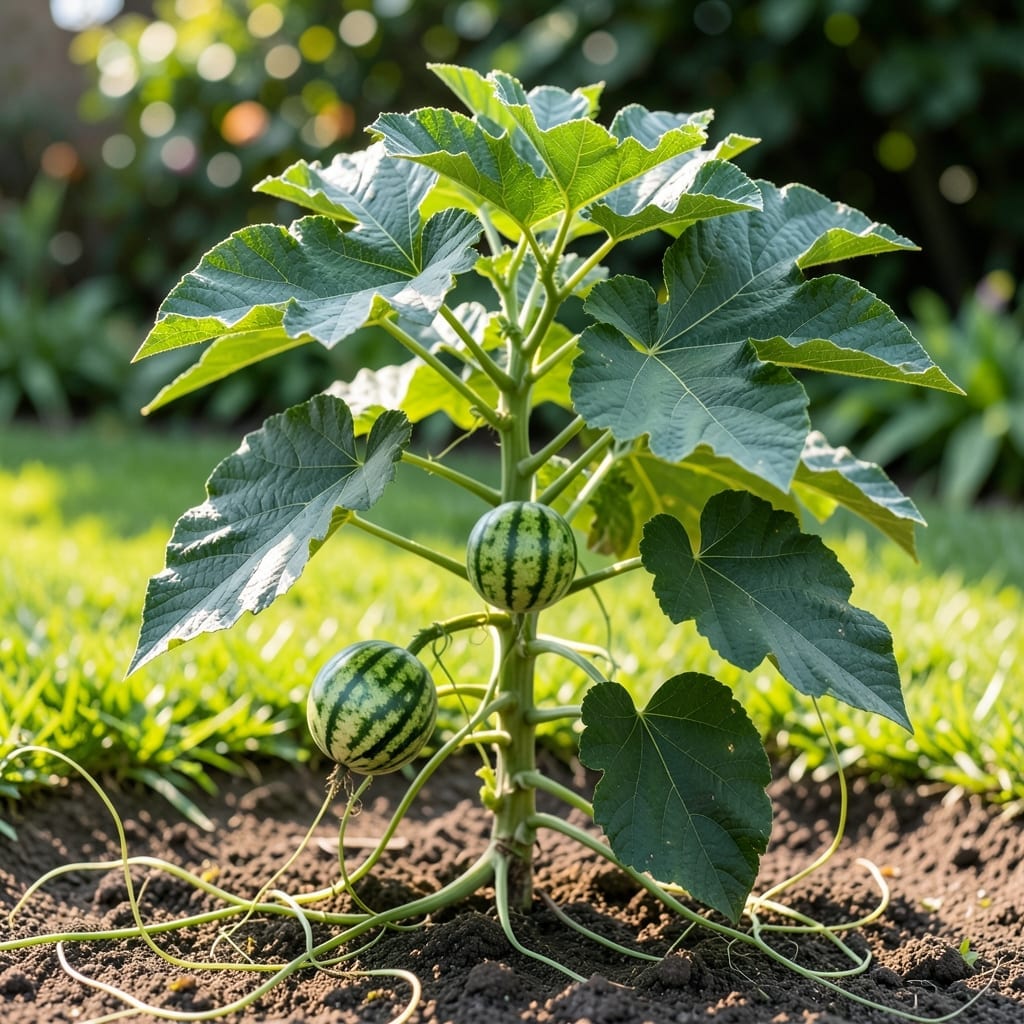
Chilacayote is a fast-growing tropical squash with edible seeds, flesh, and flowers, commonly used in Latin American cuisines and traditional medicine.
I’ve found this vine plant thrives in warm climates, producing large, round fruits that can weigh up to 20 pounds. It’s a staple in Mexican dishes like candied chilacayote or stewed with meat. 💫
What fascinates me is its versatility—beyond food, its seeds are roasted like pumpkin seeds, and its flowers are used in traditional remedies for respiratory issues.
💡 In This Article
This tropical vine belongs to the Cucurbitaceae family, sharing ancestry with pumpkins and zucchini. Unlike its cousins, chilacayote grows at an astonishing rate—vines can extend 10-15 feet in a single season under ideal conditions.
The fruits develop a hard, striped green rind that turns yellow when fully mature, with white flesh that’s mildly sweet when cooked. 🔥
The plant thrives in USDA zones 9-11, requiring a long growing season of 180-200 days. It prefers well-draining soil with a pH between 6.0-7.5 and needs full sun exposure. What sets it apart is its drought tolerance once established, though it produces best with consistent moisture during fruiting. ✨
Chilacayote differs from other squash in its growth habit—it’s more aggressive than butternut but less sprawling than pumpkin. The leaves are large and lobed, providing ample shade to the developing fruits. This shade helps prevent sunscald, a common issue with other squash varieties in hot climates.
One unique characteristic is its ability to produce edible shoots and tendrils in addition to the main fruit. These young shoots can be harvested and cooked like asparagus, adding another dimension to this plant’s utility. The flowers are also edible and often used in traditional Mexican dishes. 💫
The fruits themselves have a distinctive star-shaped cross-section when sliced, which makes them ideal for candying. This shape also helps distinguish chilacayote from similar-looking squash like calabaza, which has a more uniform round shape.
No, it should always be cooked first. The raw flesh can be tough and mildly bitter. Cooking brings out its sweet, nutty flavor and softens the texture.
Expect fruits in 180-200 days from planting. The long growing season is why it thrives best in warm climates with extended summers.
Keep whole, uncut fruits in a cool, dry place. Properly stored, they can last 2-3 months. Once cut, refrigerate and use within 5-7 days.
Not recommended. The vines need 10-15 feet of space and strong support. Even large containers restrict growth and reduce yield.
Yes! Young shoots and tendrils can be cooked like asparagus. The leaves are also edible when cooked, similar to other squash greens.