
Beautiful Plants For Your Interior
Beautiful Plants For Your Interior
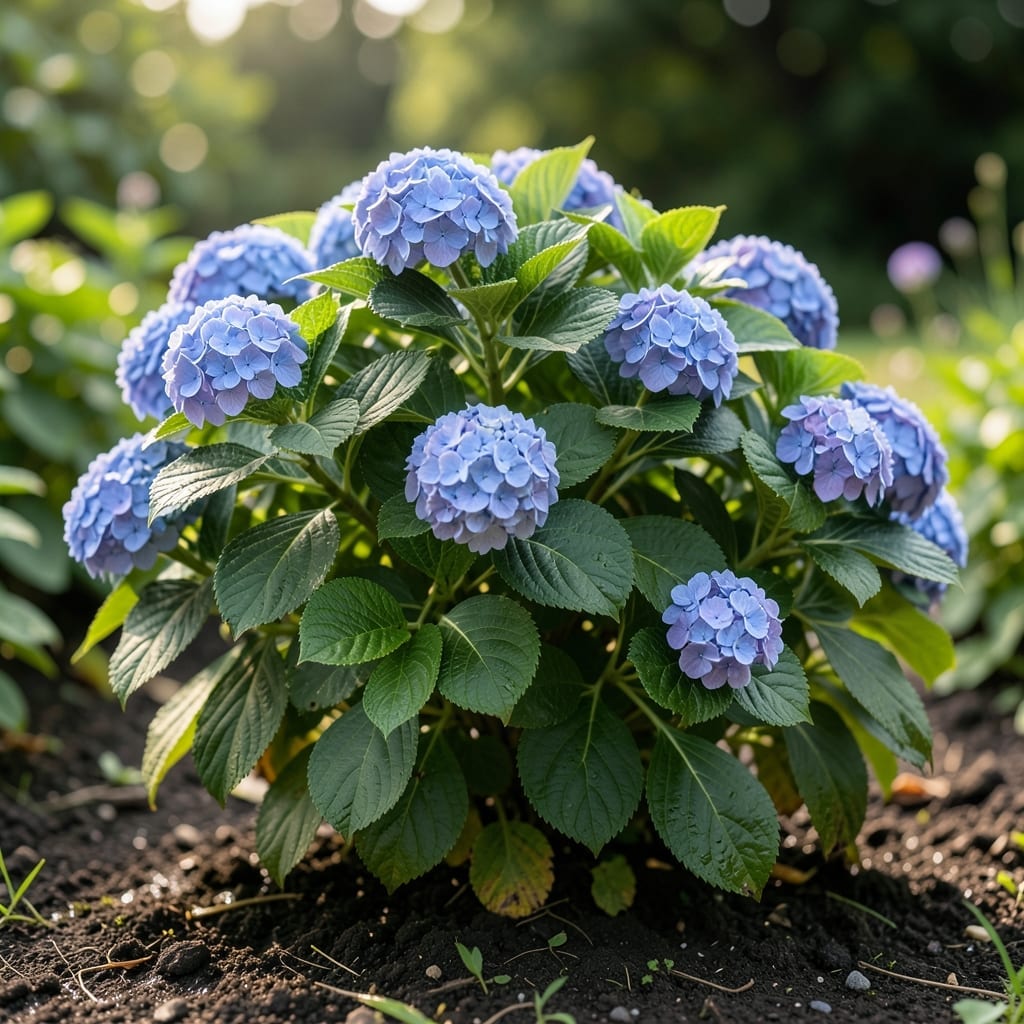
Big, bold leaves define Hydrangea macrophylla—glossy and deep green when healthy, they’re the first sign of trouble if something’s off. I’ve learned to read these leaves like a plant’s mood ring.
Proper watering and light keep them vibrant all season. Too much sun scorches the edges, while shade turns them pale. Get it right, and those leaves support show-stopping blooms every year.
📚 In This Guide
Here’s how I keep my hydrangea macrophylla leaves lush and vibrant year after year.
Start by recognizing what healthy hydrangea macrophylla leaves look like. They should be deep green, 4-8 inches long, with a slightly glossy surface and prominent veins. I always check for smooth edges and a firm texture—these are signs of a well-nourished plant.
If leaves appear yellow, brown, or spotted, that’s your cue to investigate further. Healthy foliage should also feel slightly leathery to the touch, not brittle or soft. This is the baseline for what you want to maintain or restore.
Hydrangeas thrive with consistent moisture, but they hate soggy roots. I water my plants deeply 2-3 times per week, ensuring the soil stays evenly damp but not waterlogged. The best way to check is to stick your finger 1 inch into the soil—if it feels dry, it’s time to water.
Use a soaker hose or drip irrigation to deliver water directly to the roots, avoiding wetting the leaves, which can lead to fungal issues. Mulching with 2-3 inches of organic material helps retain moisture and keeps the soil temperature stable.
Hydrangea macrophylla leaves do best in partial shade, especially in hotter climates. I place mine where they get morning sun and afternoon shade. Too much direct sunlight can scorch the leaves, turning them crispy and brown at the edges.
If your plant is in full shade and the leaves look pale or sparse, it’s likely not getting enough light. Adjust the location gradually to avoid shocking the plant. A spot with dappled sunlight often works perfectly.
Feed your hydrangea macrophylla with a balanced, slow-release fertilizer in early spring, just as new growth begins. I use a 10-10-10 formula and apply it according to the package instructions, usually every 6-8 weeks during the growing season.
Avoid over-fertilizing, as this can lead to excessive leaf growth at the expense of flowers. If leaves start turning yellow between the veins, it might indicate a nutrient deficiency, often iron. A foliar spray with chelated iron can help correct this quickly.
As temperatures rise in summer, increase watering frequency to prevent leaf wilt. In extreme heat, I’ve found that a midday misting can help cool the foliage. Conversely, reduce watering in the fall as the plant prepares for dormancy.
Watch for signs of stress, like drooping or discolored leaves, and adjust care accordingly. Prune any damaged or diseased leaves immediately to prevent the spread of issues. This keeps your hydrangea macrophylla looking its best through every season.
These small adjustments will keep your foliage thriving through every season.
The Moisture Balance: When watering 2-3 times per week in Step 2, use the finger test—insert your finger 1 inch into the soil to check for dryness. Morning watering is ideal as it allows foliage to dry before evening, reducing fungal risks. Overwatering signs include yellowing leaves, while underwatering shows as wilting or crispy edges.
Light Positioning: In Step 3, if you’re moving plants to achieve that morning sun and afternoon shade, do it gradually over a week. Sudden light changes can shock the plant. Dappled sunlight through trees works beautifully as a natural filter in hotter climates.
Fertilizer Timing: For Step 4, mark your calendar for that 6-8 week interval during growing season. Early spring application jumpstarts growth, but remember that yellowing between veins often signals iron deficiency—chelated iron spray works faster than soil amendments for this issue.
Seasonal Observation: Step 5’s midday misting is invaluable during heatwaves, but avoid doing it in full sun as water droplets can magnify light and burn leaves. Fall is the perfect time to assess your plant’s overall health and make adjustments for next year.
Yellowing leaves often indicate overwatering, poor drainage, or nutrient deficiencies. Check soil moisture and ensure proper drainage. A balanced fertilizer can help restore vibrant foliage.
Prune right after flowering, typically in late summer. Avoid pruning in fall or winter, as this can remove next year’s blooms. Light pruning helps maintain shape and health.
While it tolerates morning sun, afternoon shade is ideal. Full sun can scorch leaves and stress the plant, especially in hot climates. Aim for partial shade for best results.
Brown spots may signal fungal diseases like leaf spot. Improve air circulation, avoid overhead watering, and apply a fungicide if needed. Remove affected leaves promptly.