
Beautiful Plants For Your Interior
Beautiful Plants For Your Interior
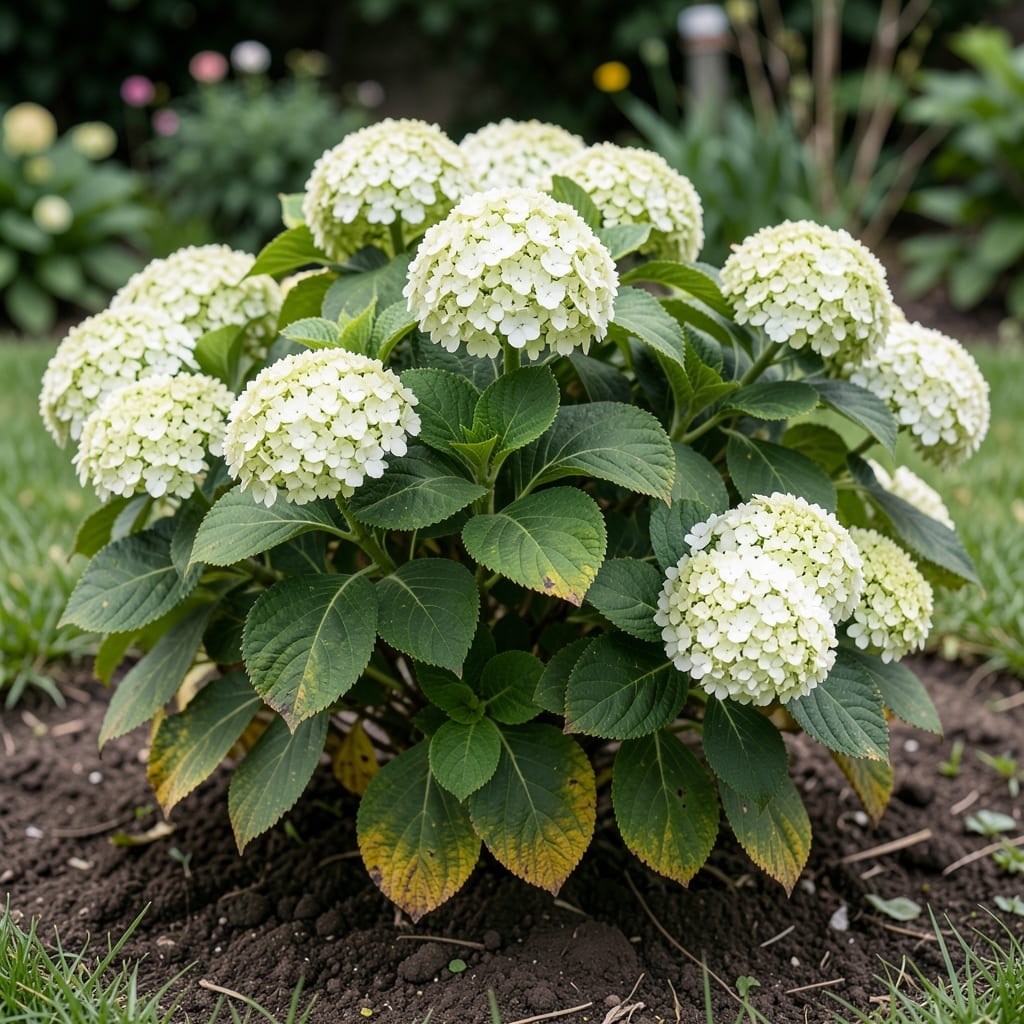
Spotted brown edges on your hydrangea leaves aren’t just ugly—they’re a cry for help. I’ve nursed countless hydrangeas back from the brink, and the first step is always the same: stop guessing and start looking closely.
Most leaf problems start with too much water, not enough air, or the wrong kind of attention. Yellowing often means overwatering, while dark spots usually signal fungus. The good news? 90% of cases are fixable with simple adjustments.
You’ll learn to read the leaves like a map—crispy edges scream “drought stress,” while powdery film whispers “mildew.” Each symptom points to a specific solution that gets your plant back on track fast.
Works for bigleaf, oakleaf, and panicle varieties. No advanced degree required, just sharp eyes and a willingness to act before the damage spreads.
Diseased hydrangea leaves often result from environmental stressors, pathogens, or poor cultural practices. Below are the most common causes, explained scientifically for clarity and actionability.
Fungi like Cercospora or Powdery Mildew thrive in humid, poorly ventilated conditions. These pathogens infect leaves through spores, leading to brown spots, white powdery coatings, or yellowing. Overhead watering and crowded plantings exacerbate the issue by prolonging leaf wetness, which fungi need to germinate.
Excess moisture in the soil suffocates roots, reducing oxygen uptake and promoting root rot (Phytophthora spp.). This stress manifests as wilting, yellowing leaves (chlorosis), or blackened stems. Hydrangeas prefer consistently moist—but not soggy—soil. Clay-heavy or compacted soils worsen drainage issues.
Extreme heat, cold snaps, or abrupt temperature swings weaken hydrangeas, making them susceptible to secondary infections. Leaf scorch (brown, crispy edges) often occurs during drought or high winds, which accelerate water loss. Insufficient mulch or exposure to harsh afternoon sun can also trigger stress-related leaf damage.
Insects like aphids, Spider Mites, or Japanese beetles pierce leaf tissues, creating entry points for pathogens. Their feeding also causes stippling, yellow mottling, or curled leaves. Sap-sucking pests, in particular, excrete honeydew, which fosters sooty mold growth on foliage.
Imbalances in soil pH or nutrient levels can lead to discolored or deformed leaves. For example, iron deficiency (common in alkaline soils) causes interveinal chlorosis (yellow leaves with green veins) in hydrangeas. A lack of nitrogen may result in uniform pale green or yellow leaves, while magnesium deficiency often produces yellowing between leaf veins.
Reviving your hydrangeas starts with targeted action. Below are practical fixes for the most common leaf issues, paired with prevention tips to keep your plants thriving.
Mix 1 tablespoon baking soda + 1 teaspoon dish soap + 1 gallon water and spray affected leaves weekly. Prune crowded branches to boost circulation. Prevent it: Space plants 3–4 feet apart and water at the base in the morning.
Pick off spotted leaves (don’t compost them!) and apply a copper-based fungicide every 10 days. Avoid overhead watering. Prevent it: Clean up fallen debris and rotate mulch yearly to reduce fungal spores.
Move potted hydrangeas to partial shade or use shade cloth for in-ground plants. Water deeply 2–3 times per week during heatwaves. Prevent it: Plant in east-facing spots or under dappled tree cover.
Blast aphids or mites off with water, then apply neem oil or insecticidal soap. For slugs, set out beer traps. Prevent it: Encourage ladybugs and lacewings with pollinator-friendly plants.
Test soil pH (hydrangeas prefer 5.2–6.2 for bigleaf varieties). Amend with compost or sulfur to adjust acidity. Healthy soil = resilient plants!
Improve air circulation by pruning crowded branches and avoid overhead watering. Remove infected leaves immediately and apply a copper-based fungicide every 10 days.
Yellowing often signals overwatering or nutrient deficiency. Check soil moisture and test pH levels (ideal: 5.2-6.2). Iron deficiency causes green veins with yellow leaves.
Mix 1 tablespoon baking soda + 1 teaspoon dish soap + 1 gallon water and spray weekly. Prune for better airflow and water at the base in the morning.
Move plants to partial shade and water deeply 2-3 times per week during heatwaves. Trim severely damaged leaves to redirect energy to healthy growth.