
Beautiful Plants For Your Interior
Beautiful Plants For Your Interior
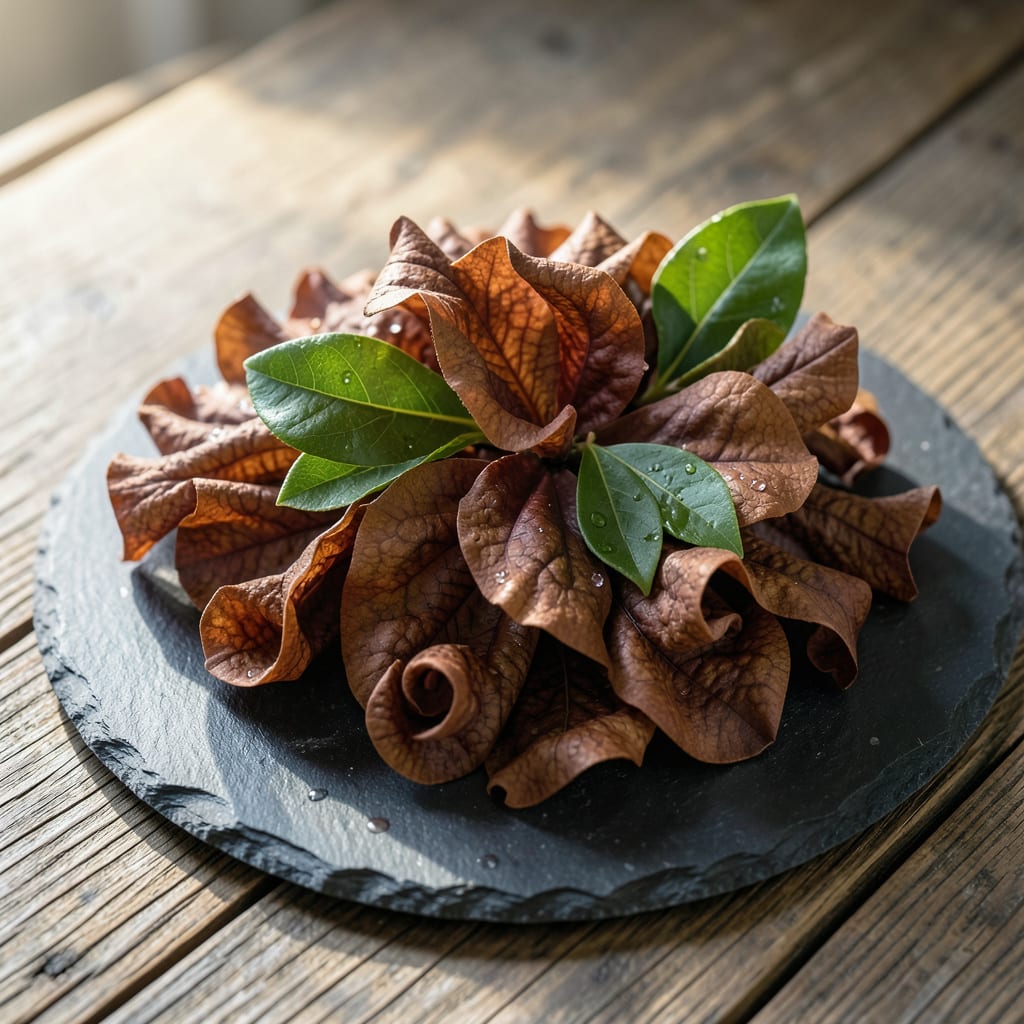
Brown, curled leaves on rhododendrons always signal a distress call. I’ve seen this happen too often—usually from something simple like inconsistent watering or a sneaky pest hiding underneath.
The first step is checking the soil. If it’s bone dry or soggy, that’s your culprit. Next, look under those leaves for tiny invaders like lace bugs or spider mites.
Nutrient issues show up differently—yellowing between veins often means iron deficiency. A soil test can confirm, but chelated iron usually fixes it fast.
Prevention starts with consistent moisture and mulch to protect roots. Keep an eye on new growth for early signs of trouble.
Rhododendron leaves turn brown and curl due to several stress factors, each with distinct underlying mechanisms. Addressing the root cause is key to restoring plant health.
Extreme temperatures, especially late frosts or heatwaves, disrupt cellular function. Cold snaps cause cellular dehydration, leading to leaf curl as the plant conserves moisture. Heat stress, on the other hand, accelerates transpiration, causing edges to brown as tissues desiccate. Both conditions trigger oxydative damage in leaf cells, visible as browning.
Overwatering or underwatering disrupts osmotic balance. Root asphyxiation from soggy soil prevents nutrient uptake, while drought stress reduces turgor pressure, causing leaves to curl inward. Chronic moisture stress also leads to salt accumulation in leaf margins, resulting in scorched, brown edges.
Lack of magnesium (interveinal chlorosis) or iron (yellowing with green veins) often precedes browning. These deficiencies impair chlorophyll production, weakening leaves. A potassium deficiency specifically causes marginal necrosis, where leaf edges turn brown and crisp. Soil pH outside the 4.5–5.5 range locks out these essential nutrients.
Lace bugs and spider mites pierce leaf cells, draining sap and causing stippling that progresses to browning. Fungal pathogens like Phytophthora rot attack roots, reducing water flow and mimicking drought symptoms. Bacterial leaf spot (Pseudomonas) creates water-soaked lesions that dry into brown patches.
Addressing brown, curled leaves on your rhododendron starts with identifying the root cause. Below are targeted fixes for common issues, along with prevention tips to keep your plant thriving.
Pro tip 💡: Always sterilize pruning tools with rubbing alcohol to prevent spreading disease between cuts!
Water deeply 1-2 times per week, allowing the top 2 inches of soil to dry between waterings. Mulch with pine bark to retain moisture and prevent extremes.
Yes, late frosts can cause cellular dehydration and leaf curl. Protect plants with burlap wraps or move potted ones indoors during cold snaps.
Inspect leaf undersides weekly with a magnifying glass for lace bugs or spider mites. Look for tiny dots or webbing as early signs.
Remove severely damaged leaves to improve appearance and air circulation. Always sterilize tools with rubbing alcohol to prevent disease spread.
