
Beautiful Plants For Your Interior
Beautiful Plants For Your Interior
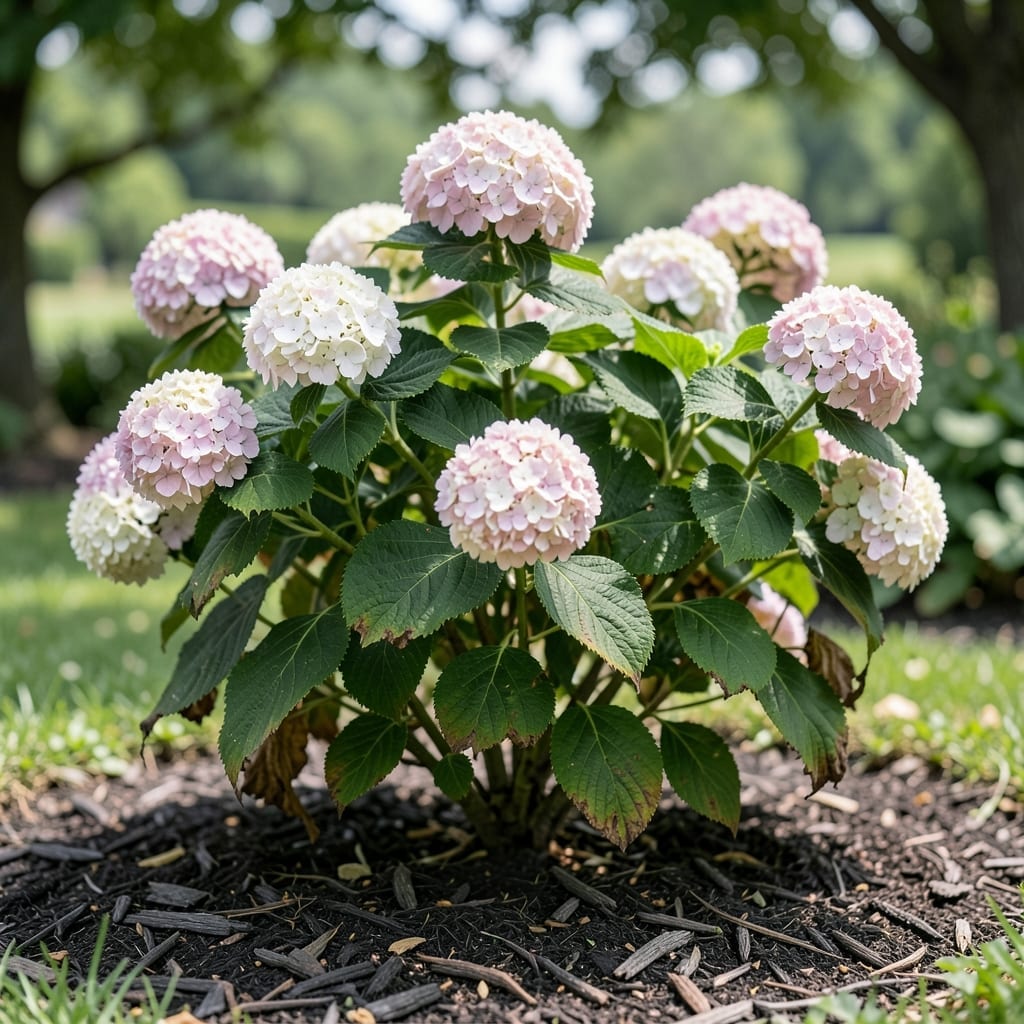
Your hydrangea’s sudden droop isn’t a death sentence. I’ve rescued more wilted hydrangeas than I can count with a few simple checks.
Usually it’s underwatering or overwatering—both show the same sad leaves. Sometimes it’s soil that drains too fast or holds too much moisture. The fix often takes 24-48 hours once you pinpoint the issue.
You’ll see leaves perk up fast with the right water balance. I check soil moisture 2 inches down before watering—if it’s dry, soak it; if it’s soggy, let it dry.
Even heat stress or transplant shock can cause this. The key is acting quickly before permanent damage sets in.
Hydrangeas are stunning but sensitive plants, and drooping leaves often signal an underlying issue. Here’s a breakdown of the most common causes, each with a clear scientific explanation and actionable insight.
Hydrangeas thrive in consistently moist but well-drained soil. When underwatered, their roots can’t absorb enough water, leading to cellular turgor loss—a fancy way of saying the cells in the leaves lose pressure and wilt. Conversely, overwatering suffocates the roots, preventing oxygen uptake and causing root rot, which also disrupts water transport to the leaves. Check the soil: If it’s bone-dry or waterlogged, adjust your watering schedule immediately.
Hydrangeas prefer partial shade, especially in hot climates. When exposed to intense sunlight (particularly afternoon sun), they experience transpiration overload—where water evaporates from the leaves faster than the roots can replenish it. This triggers wilting as a defense mechanism. Move potted hydrangeas to shade or provide afternoon relief for in-ground plants.
Sudden temperature swings, like a late frost or heatwave, can shock hydrangeas. Cold snaps damage cell membranes, while extreme heat accelerates moisture loss. Both scenarios lead to physiological stress and drooping. Protect plants with mulch or shade cloth during extreme weather.
Pests like aphids, spider mites, or scale pierce leaf tissues, sucking out vital fluids and causing wilting. Fungal diseases, such as powdery mildew or root rot, clog the plant’s vascular system, blocking water and nutrient flow. Inspect leaves for spots, webbing, or sticky residue, and treat with neem oil or fungicides as needed.
A lack of essential nutrients, particularly magnesium or iron, can weaken hydrangeas, making them susceptible to drooping. Yellowing leaves (chlorosis) often accompany this issue. Test your soil and amend with a balanced fertilizer or iron chelates if deficiencies are confirmed.
If your hydrangea leaves are drooping, don’t panic—there are simple fixes for the most common causes. Below, we map each issue to a practical solution, plus tips to keep your plant thriving long-term.
Give your hydrangea a slow, deep soak at the base (not the leaves) until the top 2–3 inches of soil are moist. Water in the early morning to reduce evaporation. For potted plants, immerse the container in a bucket of water for 10–15 minutes to rehydrate the roots.
Prevention: Check soil moisture weekly with your finger—water when the top inch feels dry. Mulch with bark or compost to retain moisture. 💡
Stop watering immediately and let the soil dry out. If the plant is in a pot, repot it in fresh, well-draining soil (mix in perlite or sand). For garden plants, amend heavy clay soil with organic matter to boost drainage.
Prevention: Use pots with drainage holes and a saucer to catch excess water. Stick to a consistent watering schedule—hydrangeas prefer moist, not soggy, soil. ✨
Move potted hydrangeas to a shadier spot (especially during afternoon heat). For in-ground plants, use shade cloth or plant taller companions to cast dappled light. Mist the leaves lightly in the morning to cool them down.
Prevention: Site hydrangeas where they get morning sun and afternoon shade. In hot climates, opt for heat-tolerant varieties like Hydrangea paniculata. 🌡️
For aphids or spider mites, spray leaves with a mix of 1 tsp mild soap and 1 quart of water. Rinse after 15 minutes. For severe cases, use neem oil (follow label instructions). Remove heavily infested leaves to prevent spread.
Prevention: Inspect leaves weekly for pests. Encourage beneficial insects like ladybugs by planting companion flowers. 🎯
Use a balanced, slow-release fertilizer (10-10-10) or one formulated for hydrangeas (high in phosphorus for blooms). Apply in early spring and mid-summer. Yellow leaves may signal iron deficiency—treat with chelated iron per package directions.
Prevention: Test soil pH annually (hydrangeas prefer 5.5–6.5). Adjust with lime (to raise pH) or sulfur (to lower it) as needed. 🌱
Check the soil 2 inches down daily. Water when dry, giving a deep soak at the base. Most hydrangeas need watering 2-3 times weekly in hot weather.
Yes! If the cause is underwatering, leaves often perk up within 24-48 hours after proper watering. Severe cases may take longer.
Only remove leaves that are brown or crispy. Green drooping leaves often recover with proper care. Pruning healthy foliage stresses the plant further.