
Beautiful Plants For Your Interior
Beautiful Plants For Your Interior
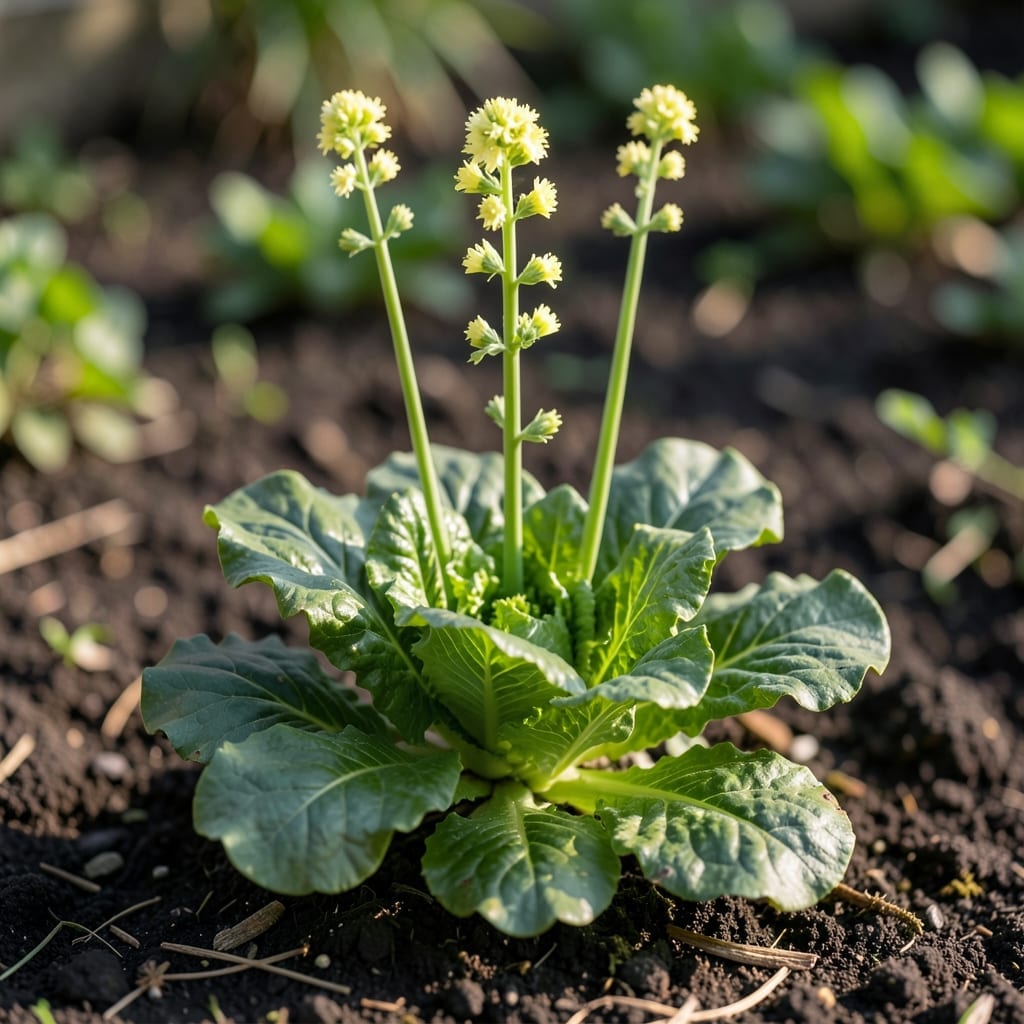
Bolting is when plants prematurely produce flowers and seeds, typically triggered by stress like heat or long daylight hours. This shifts energy from leaf and root growth to reproduction.
I’ve noticed this often happens with lettuce or herbs when summer heat kicks in early. The plant essentially panics, thinking its life cycle is ending, so it rushes to reproduce. This is why gardeners in hot climates need to be extra vigilant with shade and watering schedules. ✨
What’s fascinating is how different plants have varying thresholds for these triggers. Some varieties bolt at the first hint of warmth, while others can withstand longer days without issue.
💡 In This Article
At the heart of bolting is a hormonal shift triggered by environmental stress. When plants sense longer daylight hours (typically 14+ hours for many species) or temperatures consistently above 75°F, they produce more gibberellins—a class of growth hormones that signal it’s time to flower and set seed.
This is photoperiodism in action, where light duration acts as nature’s calendar. 🌟
Temperature stress accelerates this process dramatically. For cool-season crops like spinach or cilantro, a sudden heatwave of 85°F+ can trigger bolting within days. The plant’s internal clock, or circadian rhythm, detects these changes and prioritizes reproduction over growth.
Even water stress plays a role—when soil moisture drops below 60% of field capacity, plants interpret this as a survival threat.
What’s happening at the cellular level is fascinating. The meristem tissue (where growth occurs) switches from producing leaves to forming flower stalks. In lettuce, this often happens when the plant reaches about 6-8 true leaves. The shift is irreversible once the flower stalk emerges, which is why prevention is key. 🔥
Different plants have different thresholds. Long-day plants like lettuce bolt as days lengthen in spring, while short-day plants like some herbs may bolt when days get shorter in fall.
The hormone florigen travels from leaves to growing tips, acting as the chemical messenger that says “it’s time to reproduce.” This explains why even brief stress periods can have lasting effects.
Root stress from compacted soil or nutrient deficiencies can also trigger bolting. When roots can’t access enough nitrogen, the plant diverts energy to reproduction. In my experience, a sudden nitrogen drop often precedes visible bolting by 7-10 days. This is why consistent soil health is so important for preventing premature flowering. ✨
Cool-season crops like lettuce, spinach, and cilantro bolt most easily. They react to heat above 75°F or long daylight hours, shifting energy from leaves to flowers almost overnight.
Unfortunately no. Once the flower stalk emerges, the process is irreversible. Your best bet is to pull the plant and replace it with a new one, or let it go to seed for future planting.
Pinching may delay it slightly, but the plant is already programmed to reproduce. For leafy greens, it’s better to harvest the entire plant and start fresh with a new crop.
Containers can actually help control bolting. You can move pots to shadier spots during heatwaves, maintaining temperatures below 80°F more easily than in open ground.