
Beautiful Plants For Your Interior
Beautiful Plants For Your Interior
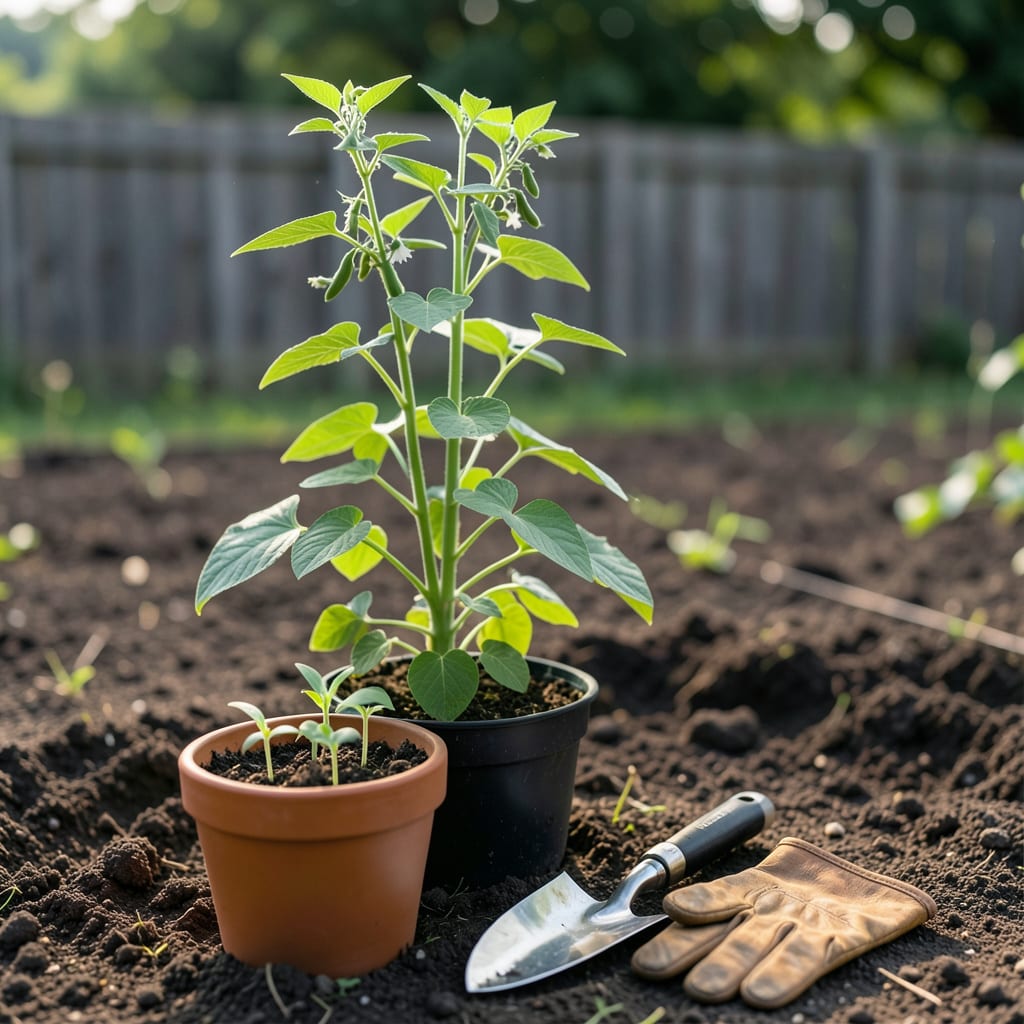
Think July is too late for planting? Think again. I’ve found that many 🥕 Vegetables can still thrive when planted now, delivering a quick harvest before summer ends.
With the right varieties and care, you can enjoy fresh produce in just weeks. Let me show you how to make the most of this planting window.

July is the perfect time to plant fast-growing vegetables that will mature before the first frost. I’ve found that bush beans and zucchini thrive in the summer heat and can be ready in as little as 45-60 days. These crops are ideal for filling gaps in your garden or extending your harvest season.
For those looking for even quicker results, radishes and leafy greens like spinach and lettuce can be harvested in just 30 days. These varieties are perfect for succession planting, ensuring a continuous supply of fresh produce throughout late summer.
| Variety | Days to Maturity | Sun Needs |
|---|---|---|
| Bush Beans | 45-60 | Full sun |
| Zucchini | 50-60 | Full sun |
| Radishes | 25-30 | Partial sun |
| Spinach | 30-40 | Partial sun |
I always recommend bush beans for beginners because they’re low-maintenance and produce abundantly. They also improve soil health by fixing nitrogen, which benefits nearby plants. For a colorful harvest, try planting purple or yellow varieties alongside the classic green.
Zucchini plants are another July favorite, but they do require consistent watering and plenty of space to spread. I’ve learned that planting them in well-draining soil with compost gives them the best start. Just be prepared for a generous yield—one plant can produce 6-10 pounds of squash!
If you’re short on space, radishes are the way to go. They grow well in containers and can even be planted between slower-growing crops. I love how quickly they sprout—sometimes in just 3-5 days—making them a great project for kids or impatient gardeners.
For leafy greens, spinach and lettuce are excellent choices, but they do need some shade protection during the hottest part of the day. I use row covers to keep the soil cool and prevent bolting, which can make the leaves bitter.
Don’t forget about Swiss chard and kale, which are both heat-tolerant and packed with nutrients. These greens can be harvested multiple times by picking the outer leaves, allowing the plant to continue producing.
When planting in July, I always
Finally, keep an eye out for pests like aphids and cucumber beetles, which are common in late summer. I use neem oil or insecticidal soap for a natural solution, and I always inspect my plants regularly for early signs of trouble. With a little care, your July plantings will reward you with a bountiful late summer harvest 🌱
Planting in July requires some strategic adjustments to beat the heat and ensure a productive late summer harvest. I always start by preparing the soil with compost or aged manure to improve moisture retention and nutrient availability.
For best results, plant in the early morning or late evening to avoid stressing young seedlings. I’ve found that consistent watering is key—aim for 1 inch per week, but adjust based on rainfall and soil conditions.
I recommend using drip irrigation or a soaker hose to deliver water directly to the roots, which reduces waste and prevents fungal diseases. This method also keeps foliage dry, which is especially important for tomatoes and cucumbers.
Succession planting is another technique I swear by. By planting small batches of quick-growing crops like bush beans or radishes every 10-14 days, you’ll extend your harvest window well into fall.
Don’t forget to thin seedlings to the recommended spacing. Overcrowding leads to poor air circulation and increases disease risk. I use a ruler or planting guide to ensure even spacing, especially for carrots and beets.
Finally, keep an eye on the weather forecast. If a heatwave is coming, I temporarily shade my plants with row covers or shade cloth to protect them from scorching. With these tips, your July plantings will thrive despite the summer heat 🌱
Even experienced gardeners can stumble when planting in July’s heat. I’ve seen many well-intentioned gardeners overcrowd their beds, thinking more plants mean more harvest. But crowded plants compete for water and nutrients, leading to weak growth.
Another common error is ignoring heat-tolerant varieties. Not all vegetables thrive in summer’s peak. I always check seed packets for heat-resistant labels before planting in July. Varieties like Black Seeded Simpson lettuce or Arkansas Traveler tomato handle the warmth better.
⚠️ July Planting Pitfalls
Avoid inconsistent watering—dry spells followed by heavy watering can crack fruits and stress plants.
Don’t skip mulching—it keeps soil cool and reduces evaporation in the summer heat.
I’ve also learned that planting at the wrong time can doom your crop. In July, I plant in the early morning or evening to avoid heat stress on young seedlings. Midday planting can shock the roots, especially for delicate greens.
Neglecting pest control is another July mistake. Warm weather brings out aphids, squash bugs, and cucumber beetles. I inspect my plants daily and use row covers for young seedlings to prevent infestations.
Finally, don’t forget to adjust your watering schedule. July’s heat means soil dries out faster. I water deeply every 2-3 days rather than shallow daily watering to encourage strong root development 🌱
Yes, but choose fast-maturing varieties like Early Girl or Cherry Tomatoes, which produce in 50-60 days. Start with transplants for best results.
Water deeply every 2-3 days, providing about 1 inch per week. Morning watering prevents evaporation. Use drip irrigation for best results.
Radishes mature in just 25-30 days. They’re perfect for quick harvests and grow well in containers. Plant succession crops weekly.
Yes! Use shade cloth for delicate greens and mulch to retain moisture. Plant in early morning to avoid heat stress.
