
Beautiful Plants For Your Interior
Beautiful Plants For Your Interior
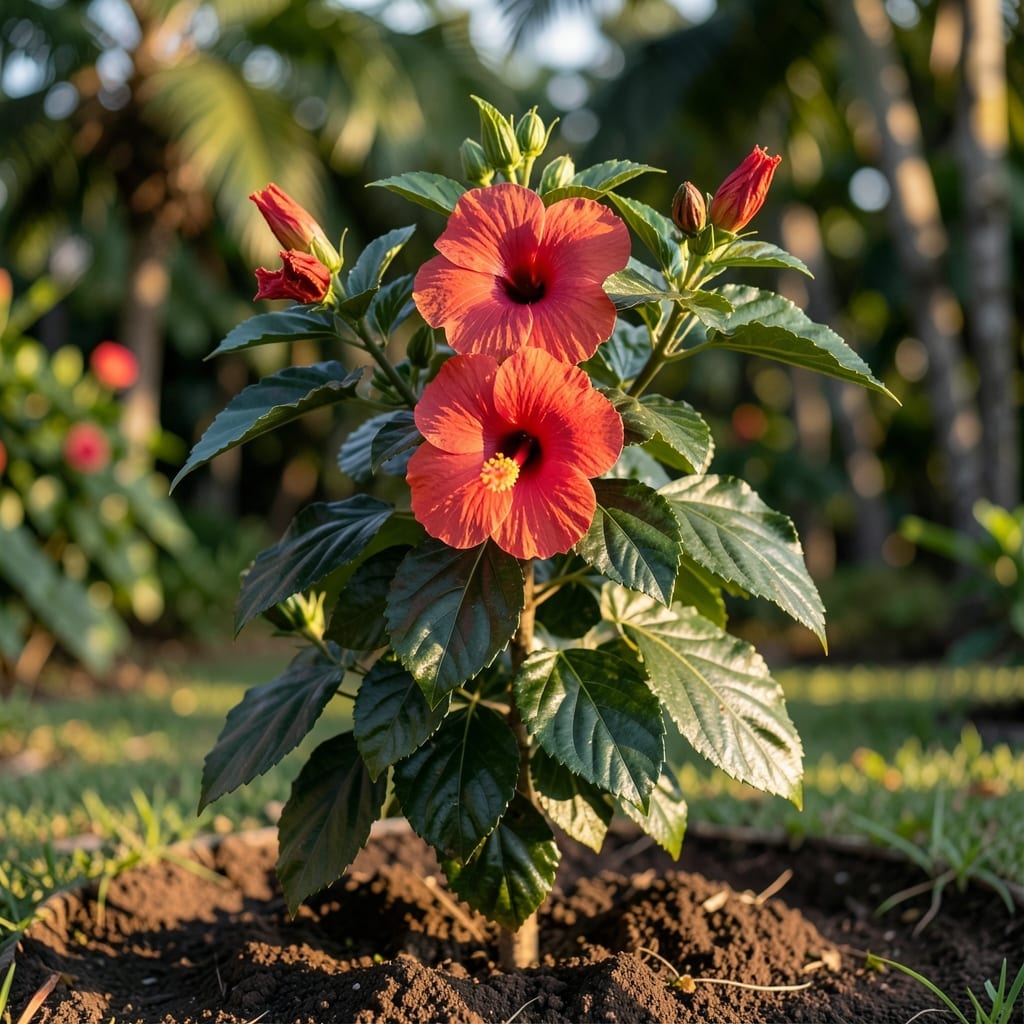
Hibiscus plants dazzle with their tropical blooms, but their light requirements often puzzle gardeners. The 🌺 right balance of sun and shade can mean the difference between lackluster foliage and bursts of vibrant color.
I’ve seen too many Hibiscus struggle in the wrong conditions. Whether you’re growing tropical or hardy varieties, light exposure plays a key role in their health and flowering.
Discover how to give your Hibiscus the ideal light it craves. From full sun lovers to those that tolerate partial shade, each type has its preferences.
Let me walk you through the essentials so you can enjoy those stunning blooms all season long. The right light makes all the difference.
 Best Window Placement
If you’ve ever admired hibiscus blooms and wondered how to replicate their vibrant display, light is the key factor. These tropical beauties thrive with abundant sunlight, but the exact needs vary by type. I’ve found that getting the balance right transforms a struggling plant into a showstopper.
Tropical hibiscus varieties demand the most light, flourishing with 6-8 hours of direct sun daily. Meanwhile, hardy hibiscus can tolerate slightly less, though they still perform best with full sun exposure. Without enough light, you’ll notice fewer flowers and weaker growth.
| Type | Sun Needs | Bloom Impact |
|---|---|---|
| Tropical Hibiscus | 6-8 hours direct sun | Maximizes vibrant blooms |
| Hardy Hibiscus | 6+ hours sun | Strong growth, steady flowers |
| Dwarf Varieties | 4-6 hours sun | Good for containers |
I always recommend morning sunlight as the best for hibiscus. It’s less intense than afternoon rays, reducing the risk of leaf scorch. If your garden gets harsh midday sun, providing light afternoon shade can prevent stress while still meeting their needs.
Watch for signs of too little light, like yellowing leaves or sparse blooming. Conversely, brown leaf edges often signal too much direct sun. Adjusting their position or adding shade cloth can help strike the perfect balance.
In my experience, south-facing locations work wonders for hibiscus. They receive the most consistent sunlight throughout the day. East-facing spots are a great second choice, offering gentle morning light that’s ideal for younger plants.
Don’t overlook seasonal changes. In summer, even sun-loving hibiscus may need protection from extreme heat. A little afternoon shade during peak temperatures can prevent wilting and keep blooms looking their best.
Container-grown hibiscus give you flexibility to move them as light conditions change. I like to rotate my potted plants to ensure all sides receive equal exposure, which promotes even growth and more uniform blooming.
For those in cooler climates, maximizing sunlight is especially important. Hardy hibiscus varieties can handle USDA zones 5-11, but they’ll produce the most flowers with as much sun as your growing season allows.
Remember that soil quality works hand-in-hand with light. Even with perfect sun exposure, poor soil will limit your hibiscus’s potential. I always amend planting areas with compost to give them the best start.
With the right light and care, your hibiscus will reward you with months of stunning blooms that become the centerpiece of your garden. ☀️
While hibiscus plants prefer abundant sunlight, they can survive in partial shade. However, you’ll need to adjust your expectations and care routine. I’ve successfully grown hibiscus in shadier spots by choosing the right varieties and making a few simple tweaks.
Hardy hibiscus varieties like Hibiscus moscheutos tolerate partial shade better than tropical types. They’ll produce fewer blooms but can still thrive with 4-6 hours of sunlight daily. In full shade, growth becomes leggy, and flowering may be sparse.
🌱 Key Takeaway
Hibiscus can grow in partial shade but bloom best with 6+ hours of sun. Hardy varieties adapt better than tropical types to lower light conditions.
If you’re planting in shade, select a location with dappled sunlight rather than deep shade. Morning sun with afternoon shade works well, especially in hotter climates. I’ve found that east-facing gardens provide ideal conditions for shade-tolerant hibiscus.
To compensate for less light, focus on soil quality. Enrich the planting area with compost or organic matter to improve nutrient availability. Hibiscus in shade often need less frequent watering, as soil stays moist longer without direct sun.
For container-grown hibiscus in shade, use light-colored pots to prevent soil overheating. Move pots occasionally to follow the sun’s path, giving plants access to the brightest available light throughout the day.
Expect slower growth and later blooming in shadier conditions. If your hibiscus isn’t flowering in partial shade, try supplementing with grow lights or gradually transitioning it to a sunnier spot over a few weeks.
With the right approach, even shade-grown hibiscus can produce beautiful blooms that brighten your garden. 🌿