
Beautiful Plants For Your Interior
Beautiful Plants For Your Interior
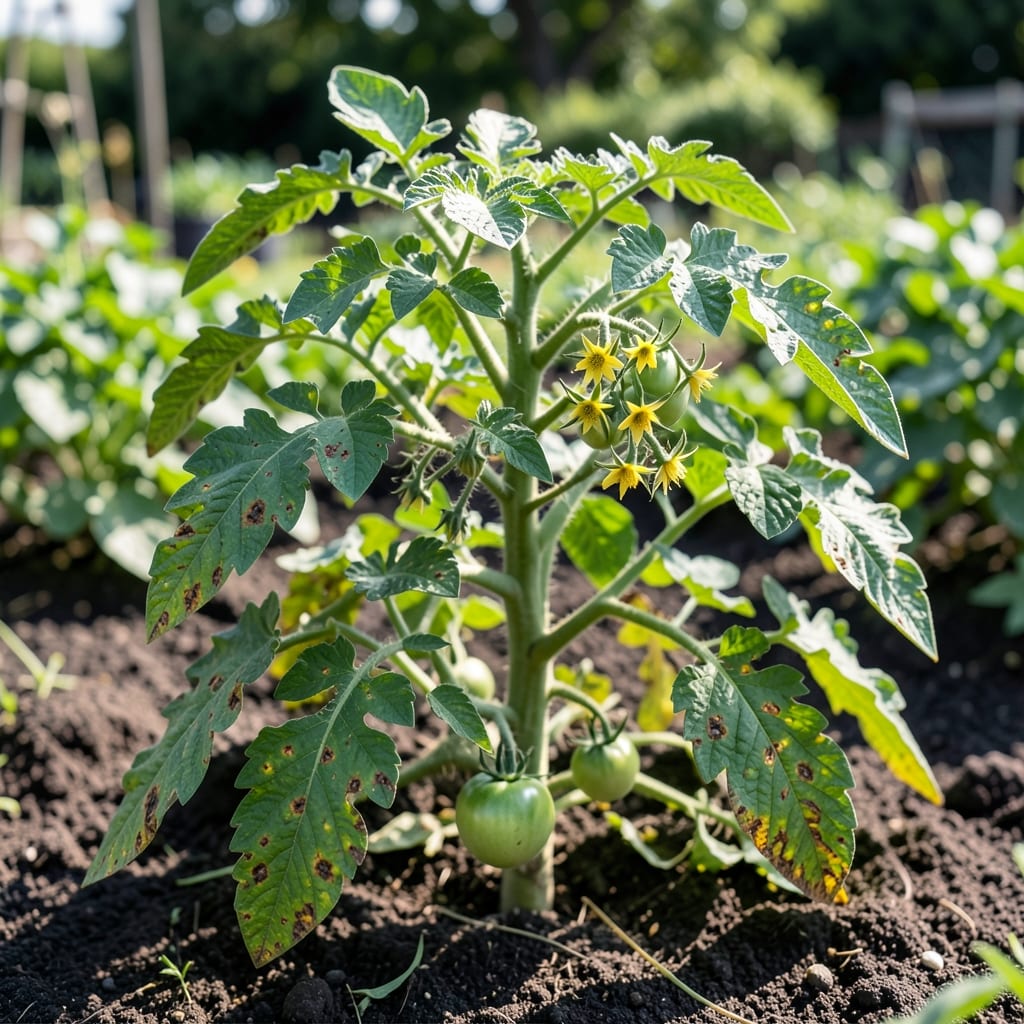
Those orange-brown spots on your leaves aren’t just ugly—they’re stealing your plant’s energy. I spotted them on my roses last summer and panicked, but the fix turned out simpler than I expected.
Rust thrives in damp, crowded conditions, spreading when water sits on foliage too long. The good news? You can stop it without chemicals. Remove infected leaves first, then improve airflow around your plants.
Organic treatments like neem oil or baking soda sprays work surprisingly well. Apply in the morning so leaves dry quickly, and reapply after rain. Consistency beats intensity here.
Prevention is even easier: space plants properly, water at the base, and clean up fallen debris. Do this right, and you’ll see healthier growth within 2-3 weeks.
Rust spots on leaves are a common plant disease caused by fungal pathogens, primarily from the Pucciniales order. These fungi thrive in specific conditions, leading to unsightly orange, brown, or yellow pustules on foliage. Below are the primary causes and the science behind them:
Prolonged leaf wetness is the most critical factor for rust development. Fungal spores require 6–12 hours of moisture to germinate and infect plant tissue. Overhead watering, poor drainage, or high humidity create ideal breeding grounds. Plants in crowded spaces with limited airflow are especially vulnerable, as moisture lingers on leaves.
Rust fungi flourish in mild temperatures (60–75°F / 15–24°C) combined with moisture. Cool nights with dew formation followed by warm days accelerate spore production. Sudden temperature swings weaken plant defenses, making them more susceptible to infection.
Dense plantings or lack of pruning restrict airflow, trapping humidity around leaves. Stagnant air prevents leaves from drying quickly, giving rust spores more time to take hold. This is why thinned-out gardens often resist rust better.
Some plants are genetically predisposed to rust, such as roses, hollyhocks, and beans. If you’ve planted a variety known to be rust-prone, the disease can spread rapidly without preventive measures like resistant cultivars or fungicides.
Rust fungi overwinter in fallen leaves, stems, and soil. If infected plant debris isn’t removed, spores can reinfect new growth in the following season. This cycle continues unless the area is cleaned and treated.
Tackling rust spots on leaves starts with identifying the cause and applying the right fix. Below are practical solutions for common triggers, plus prevention tips to keep your plants healthy long-term.
If rust spots are caused by fungi, remove infected leaves immediately to stop the spread. Treat the plant with a copper-based fungicide or a homemade spray of 1 tsp baking soda + 1 quart water + a few drops of dish soap. Apply weekly until the issue clears.
Prevention: Improve air circulation around plants and avoid overhead watering. Water at the base in the morning so foliage dries quickly.
Yellow or brown rust-like spots from too much water? Let the soil dry out between waterings. Ensure pots have drainage holes, and amend heavy soil with perlite or sand to improve drainage.
Prevention: Use a moisture meter to check soil before watering. Stick to a consistent schedule and adjust for rainfall.
Extreme heat or cold can cause rust-colored spots. Move potted plants to a shaded area during heatwaves or indoors if frost is expected. For garden plants, use shade cloths or mulch to regulate soil temperature.
Prevention: Acclimate plants gradually to temperature changes and group them with others to create a microclimate.
If spots appear due to a lack of nutrients (e.g., magnesium or iron), apply a balanced fertilizer or target the specific deficiency with supplements like Epsom salt (magnesium) or chelated iron.
Prevention: Test soil annually and amend as needed. Rotate crops to prevent depletion of specific nutrients.
💡 Pro Tip: Always sterilize pruning tools with rubbing alcohol between cuts to avoid spreading pathogens!
Yes, rust is highly contagious between plants. Remove infected leaves immediately and avoid touching healthy foliage with contaminated hands or tools.
For fungal rust, apply organic sprays like neem oil or baking soda solution every 7-10 days until spots disappear. Reapply after rain.
Not usually, but severe infections can weaken plants and reduce yields. Early treatment prevents major damage.
Prune infected leaves, improve airflow, and avoid overhead watering. These steps can halt progression within 1-2 weeks.