
Beautiful Plants For Your Interior
Beautiful Plants For Your Interior
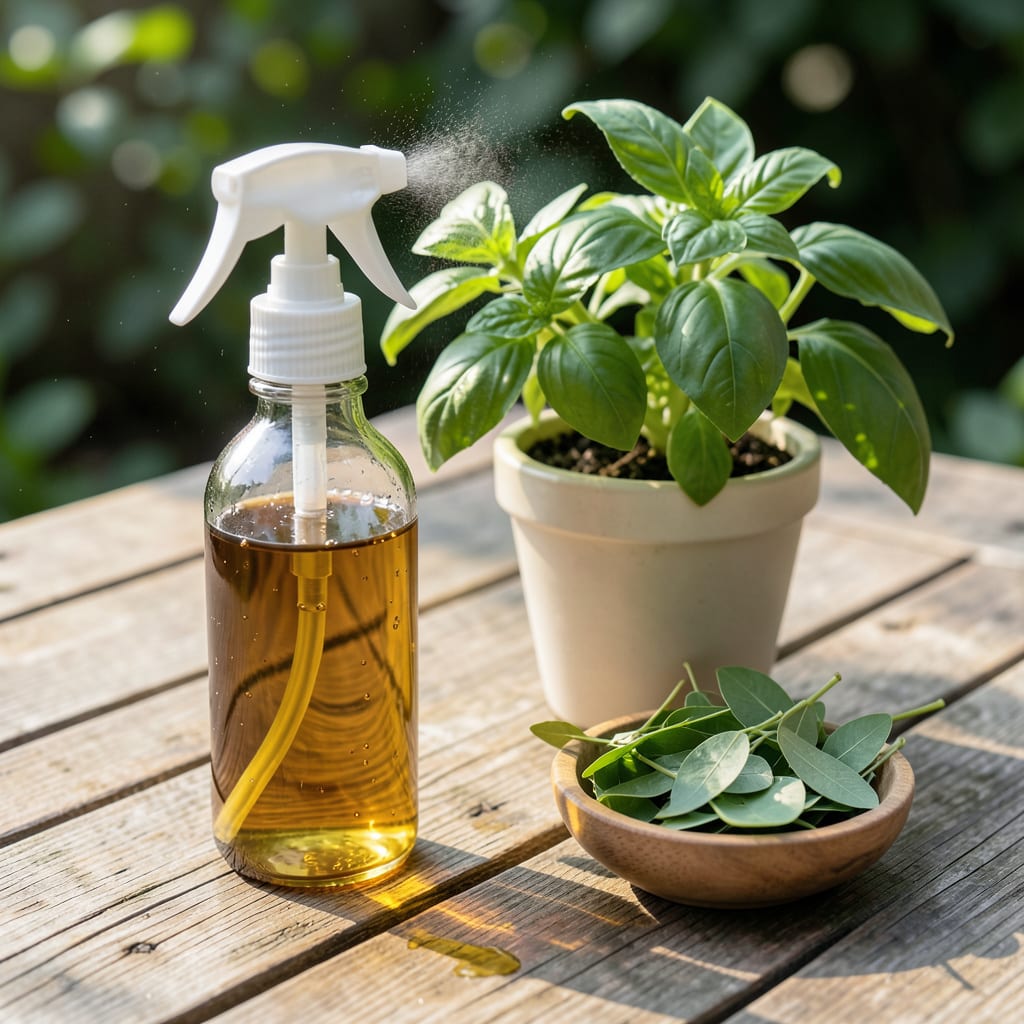
I lost my first garden to powdery mildew before discovering neem oil. This organic solution handles both pests and diseases without harsh chemicals.
Neem oil disrupts the life cycle of fungal spores and soft-bodied insects. It works as both prevention and treatment, and won’t harm beneficial bugs when used correctly.
You’ll see results within 48-72 hours of application. The key is proper dilution—too strong burns leaves, too weak fails to protect.
Effective on roses, vegetables, and houseplants alike. Just mix, spray, and watch your garden thrive.
Plant diseases don’t appear out of nowhere—they’re triggered by specific conditions that weaken your plants or create an ideal environment for pathogens. Understanding these causes helps you use neem oil (or other treatments) more effectively. Below are the most common culprits behind plant diseases.
Many plant diseases stem from fungi (like powdery mildew, rust, or root rot) and bacteria (such as leaf spot or blight). These microbes thrive in moist, warm conditions and spread through spores or contaminated tools. Overwatering, poor air circulation, or infected soil can accelerate their growth.
Insects like aphids, mites, and whiteflies don’t just damage plants—they also transmit viruses and fungi as they feed. Their piercing mouthparts create entry points for pathogens, while their honeydew (a sticky residue) fosters sooty mold. Weakened plants are more susceptible to secondary infections.
Plants under stress—from drought, nutrient deficiencies, or extreme temperatures—produce fewer defensive compounds. This makes them easier targets for diseases. For example, over-fertilization can lead to soft, succulent growth that’s more prone to fungal attacks.
Improper gardening habits, such as crowding plants, reusing contaminated soil, or ignoring crop rotation, can spread diseases rapidly. Even well-meaning actions like overhead watering (which keeps foliage wet) can invite fungal spores to germinate.
Neem oil works best when you address these root causes alongside application. Target the underlying issue to break the cycle of infection.
Neem oil is a powerful, natural solution for combating plant diseases and pests. Below are practical fixes for common issues, along with prevention tips to keep your garden thriving.
Fix: Mix 1 tbsp neem oil + 1 tsp mild soap + 1 gallon of water. Spray affected leaves thoroughly, focusing on the undersides where fungi often hide. Reapply every 7–10 days until the infection clears.
Prevention: Improve air circulation around plants and avoid overhead watering. Apply neem oil preventively every 2–3 weeks during humid seasons. 💡 Pro tip: Spray in the early morning or late evening to avoid leaf burn.
Fix: Use a 1.5% neem oil solution (1.5 tbsp per gallon of water) with a few drops of dish soap as an emulsifier. Spray directly on pests—neem disrupts their feeding and reproduction. Repeat every 4–7 days until pests are gone.
Prevention: Inspect plants regularly for early signs of pests. Introduce beneficial insects like ladybugs, and apply neem oil monthly as a deterrent. ✨ Bonus: Neem’s bitter taste repels pests before they even land!
Fix: Remove infected leaves first to prevent spread. Then, apply a 2% neem oil spray (2 tbsp per gallon) to the remaining foliage. Neem’s antibacterial properties help halt further damage.
Prevention: Avoid working with wet plants, as bacteria spread easily in moisture. Sterilize pruning tools with rubbing alcohol, and water at the base of the plant. 🎯 Key: Consistency is critical—stick to a spray schedule!
For all treatments, always test neem oil on a small area of the plant first to check for sensitivity. Store mixed solutions in a cool, dark place and use within 24 hours for maximum potency.
For prevention, spray every 2-3 weeks. For active infections, reapply every 7-10 days until resolved. Always check leaf sensitivity first.
Yes, but stop applications 1 week before harvest. Neem oil is organic and safe when used properly. Wash produce thoroughly before eating.
Neem oil naturally separates from water. Use 1 tsp mild soap per gallon as an emulsifier and shake well before each use.
Apply in early morning or late evening to avoid leaf burn. Avoid spraying in direct sunlight or when temperatures exceed 90°F.
