
Beautiful Plants For Your Interior
Beautiful Plants For Your Interior
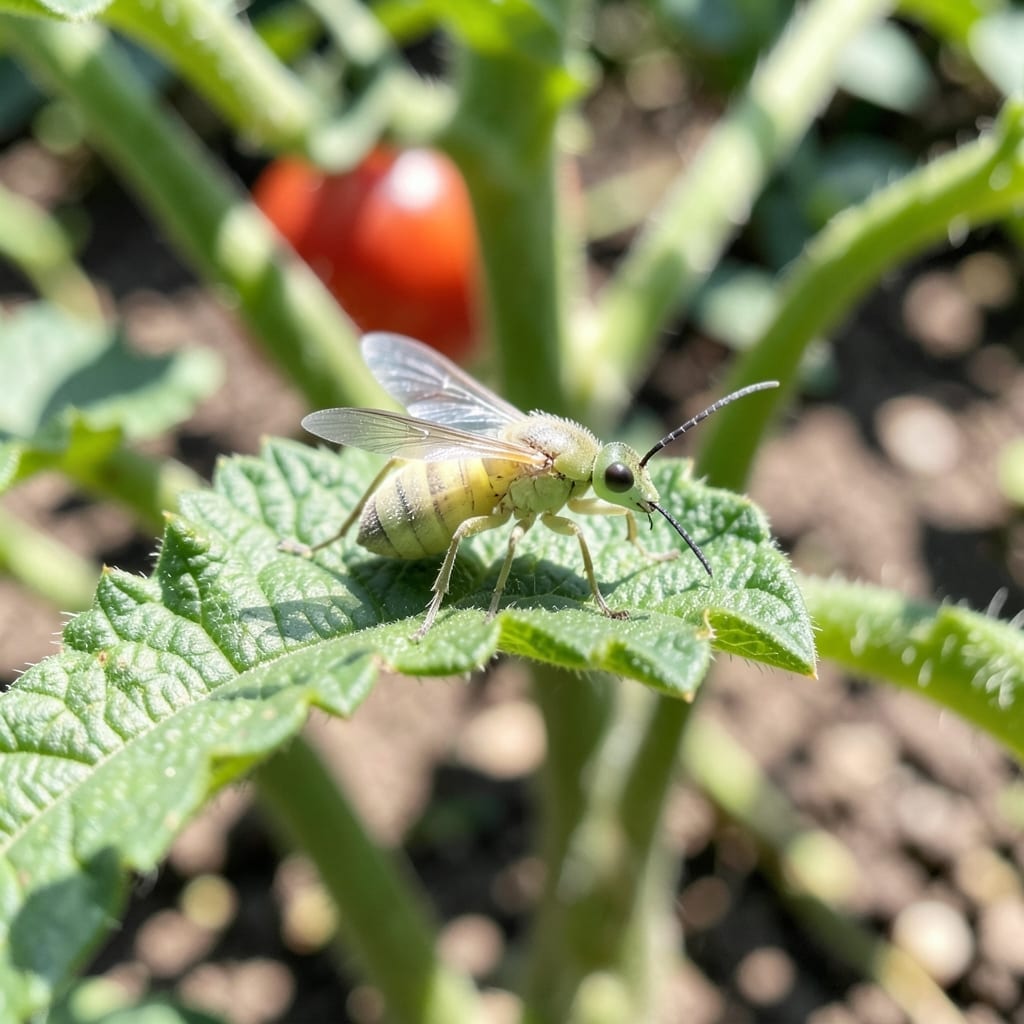
Those tiny white clouds above your tomatoes aren’t pollen. I lost a third of my crop to whiteflies one season before learning to spot the early signs—sticky leaves, yellowing edges, and the telltale flutter when disturbed.
Left unchecked, flying pests like aphids and whiteflies multiply exponentially in 7-10 days. They drain plant sap, spread viruses, and leave behind honeydew that attracts ants and sooty mold. The damage compounds fast.
Early intervention saves plants and harvests. A sharp eye and a spray bottle of soapy water can stop infestations before they start. I’ve tested organic and chemical options—some work in 24 hours, others take patience.
Your tomatoes can recover. Here’s how to identify the culprits and reclaim your garden.
Flying bugs on tomato plants are often a sign of environmental or biological imbalances. Understanding the root causes helps you address the issue effectively. Here are the most common reasons why these pests appear:
Tomato plants spaced too closely create a humid, sheltered environment that attracts flying pests like whiteflies and aphids. Poor air circulation traps moisture, encouraging fungal growth that further weakens plants, making them more susceptible to infestations.
Overwatered soil or frequent overhead watering creates damp conditions ideal for fungus gnats and other flying insects. These pests thrive in moist soil, laying eggs that hatch into larvae, which then feed on plant roots. Drip irrigation and proper drainage can help mitigate this issue.
A garden lacking beneficial insects like ladybugs, lacewings, or parasitic wasps allows flying pest populations to grow unchecked. Monoculture planting (growing only tomatoes) reduces biodiversity, eliminating natural predators that would otherwise keep pest numbers in balance.
Tomato plants with imbalanced nutrition—either from nitrogen-heavy fertilizers or poor soil quality—produce weak, stress-prone foliage. Stressed plants emit chemical signals that attract pests like thrips and leafminers. A balanced, organic fertilizer regimen strengthens plant defenses.
Extreme heat, drought, or sudden temperature swings stress tomato plants, reducing their ability to fend off pests. Flying insects like whiteflies are drawn to stressed plants, which often exude higher levels of sugars and amino acids—a buffet for invaders.
Dealing with flying bugs on your tomato plants can be frustrating, but these practical solutions will help you reclaim your garden. Below are targeted fixes for common causes, along with prevention tips to keep your plants thriving.
Blast aphids off with a strong stream of water from a hose. For stubborn infestations, spray plants with a mix of 1 tablespoon mild soap + 1 quart water. Repeat every few days until they’re gone.
Prevention Tip: 💡 Encourage ladybugs—natural predators of aphids—by planting marigolds or dill nearby.
Hang yellow sticky traps near plants to catch adult whiteflies. For larvae, spray with neem oil (follow label instructions) or introduce parasitic wasps, available at garden centers.
Prevention Tip: ✨ Rotate crops annually to disrupt whitefly life cycles.
Spider mites thrive in dry conditions. Mist plants regularly or place a tray of water near them to raise humidity. For severe cases, apply insecticidal soap or diatomaceous earth to leaves.
Prevention Tip: 🌡️ Avoid over-fertilizing, which can attract mites.
With these steps, your tomato plants will stay healthy and bug-free all season long!
Whiteflies resemble tiny white moths, while aphids are small green or black bugs. Spider mites appear as red or yellow dots. Check under leaves for clusters or webbing.
Yes! Mix 1 tablespoon mild dish soap + 1 quart water. Spray directly on bugs, focusing on leaf undersides. Reapply every 2-3 days until gone.
Remove weeds, use yellow sticky traps, and plant companion flowers like marigolds. Rotate crops yearly to disrupt pest cycles.
Yes. They drain sap, spread viruses, and leave sticky honeydew that attracts ants and mold. Early action prevents crop loss.