
Beautiful Plants For Your Interior
Beautiful Plants For Your Interior
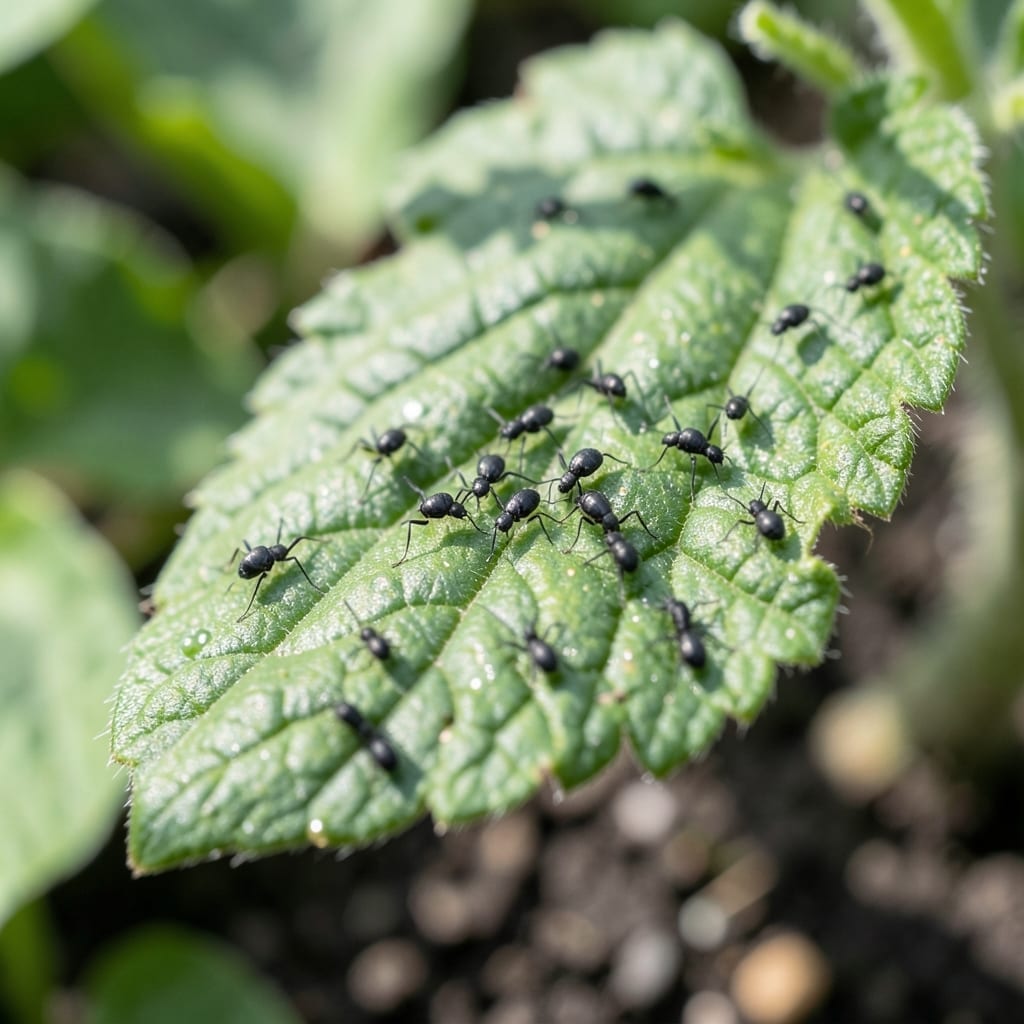
Tiny black bugs can turn thriving plants into struggling survivors overnight. I’ve lost count of how many times I’ve spotted those dark dots on my leaves and panicked, but there are simple solutions that work fast.
These pests often start on new growth or undersides of leaves, where they’re hardest to spot. The key is catching them early before they multiply and spread to every plant in your space.
You’ll restore vibrant green foliage within days using targeted treatments. No harsh chemicals needed—just methods that protect your plants and the beneficial insects that call them home.
Works for houseplants, vegetable gardens, and ornamental beds alike. Here’s the approach that saved my garden.
Black bugs on plants are often the result of environmental, biological, or cultural factors that create ideal conditions for infestations. Understanding these causes helps you address the root of the problem and prevent future outbreaks. Below are the most common reasons these pests appear.
Excess moisture in the soil or on foliage attracts black bugs like fungus gnats and aphids. Overwatering creates a damp environment where larvae thrive, while poor drainage leads to root stress, making plants more vulnerable to pests. Ensure pots have drainage holes and water only when the top inch of soil is dry.
Stagnant air traps humidity around plants, encouraging pests such as sooty mold-spreading scale insects or black beetles. Crowded plants or indoor setups without airflow worsen this. Use a small fan or space plants properly to improve ventilation.
Over-fertilizing, especially with nitrogen-rich products, can soften plant tissues, making them a magnet for black aphids and mealybugs. Conversely, nutrient-deficient plants are weaker and more susceptible. Stick to a balanced, organic fertilizer and avoid overfeeding.
Pests often hitch a ride on new plants or unsterilized potting mix. Black vine weevils and thrips can lurk in soil, while imported plants may carry hidden eggs. Always quarantine new plants for 2–3 weeks and use pasteurized soil to minimize risks.
Black bugs on plants can be frustrating, but the right approach will restore your garden’s health. Below are targeted solutions for common causes, paired with prevention tips to keep pests away for good.
Soggy soil attracts fungus gnats and other black pests. Let the top inch of soil dry out between waterings. Use a moisture meter or the finger test: if the soil feels damp, wait another day. Prevention tip: 💡 Ensure pots have drainage holes and use well-draining soil mixes to avoid waterlogging.
Stagnant air encourages aphids and sooty mold. Space plants apart to allow airflow, and prune dense foliage. For indoor plants, use a small fan on low to keep air moving. Prevention tip: ✨ Open windows regularly or place plants in breezy areas to deter pests naturally.
For aphids, spider mites, or scale, spray plants with a mixture of water and mild soap (1 tsp per quart). Neem oil (diluted per label instructions) is another effective organic option. Apply in the early morning or late evening to avoid leaf burn. Prevention tip: 🎯 Inspect new plants before bringing them home to avoid introducing pests.
Dead leaves and debris harbor pests. Remove fallen foliage and clean plant trays weekly. Wipe leaves with a damp cloth to dislodge hidden bugs. Prevention tip: 🌡️ Keep your garden or indoor plant area tidy to minimize hiding spots for insects.
Consistency is key—combine these fixes with preventive habits, and your plants will thrive pest-free!
They’re often aphids, fungus gnats, or spider mites. Check undersides of leaves for clusters. Aphids leave sticky residue, while fungus gnats hover near soil.
Mild soap solution (1 tsp per quart) is safe for most plants. Test on a few leaves first and avoid harsh detergents. Rinse after 10 minutes to prevent buildup.
Use diluted neem oil every 7-10 days for active infestations. For prevention, monthly applications work well. Always apply in the evening to avoid leaf burn.
White vinegar spray (1 part vinegar to 3 parts water) can deter pests but may damage sensitive plants. Test on a small area first and avoid using in direct sunlight.