
Beautiful Plants For Your Interior
Beautiful Plants For Your Interior
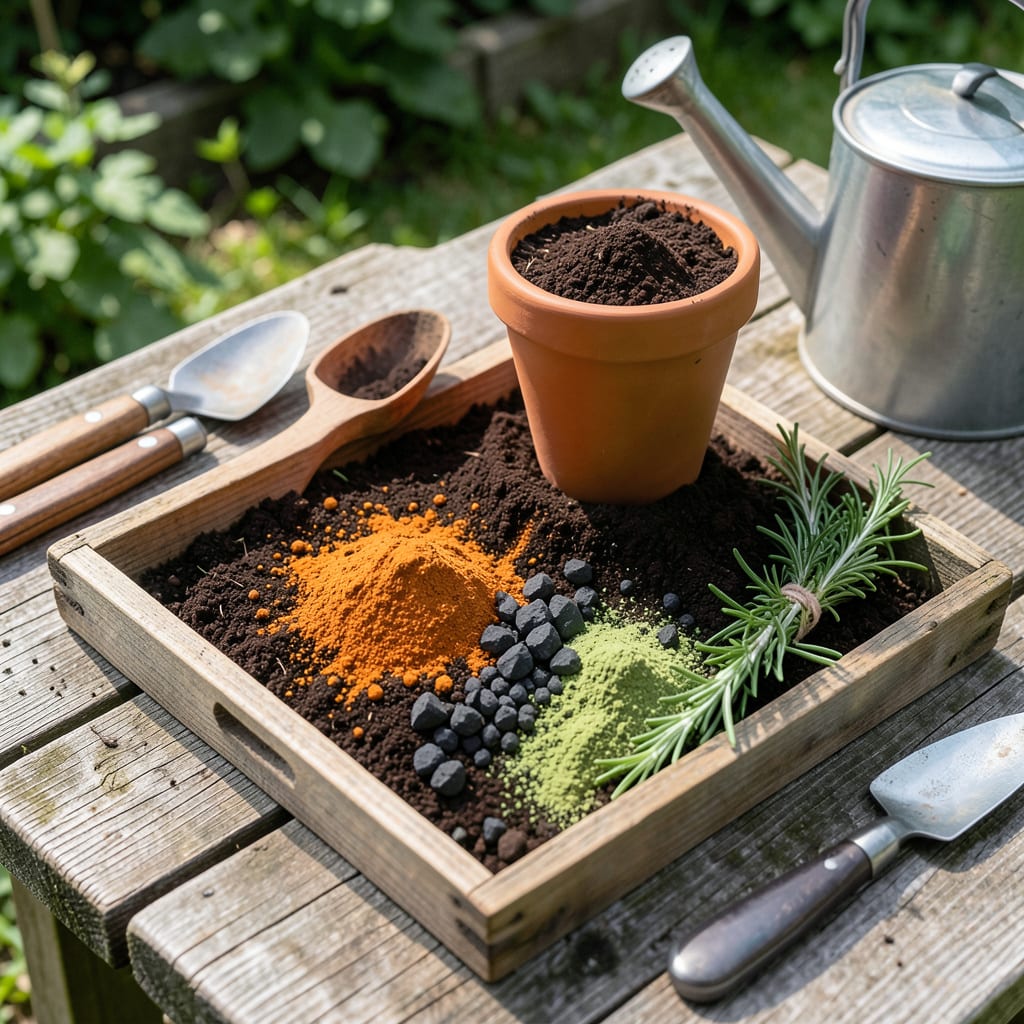
Yellow fungus in soil looks alarming but it’s fixable. I’ve dealt with this myself and found simple, natural ways to restore balance without harsh chemicals.
The key is improving drainage and airflow first. Most outbreaks happen in soggy, compacted soil where fungus thrives. A few adjustments to your watering and soil structure can stop it in its tracks.
You’ll see healthier plants within a week or two once the soil environment improves. The yellow patches disappear as beneficial microbes take over and crowd out the fungus.
Works for flower beds, vegetable gardens, and container plants. Here’s what to do next.
Yellow fungus in soil isn’t random—it’s a sign your soil’s ecosystem is out of balance. Here are the most common causes, backed by science:
Fungus thrives in damp, oxygen-poor environments. When soil stays soggy, Fusarium or Aspergillus (common yellow-pigmented fungi) proliferate. These microbes decompose organic matter aggressively, turning the soil surface yellow. Actionable fix: Let the top 1-2 inches of soil dry between waterings and improve drainage with perlite or sand.
Decaying leaves, wood chips, or compost piles create a buffet for fungi. As they break down organic material, they release yellow pigments like carotenoids or flavonoids. Actionable fix: Remove visible debris and turn the soil to aerate it.
Temperatures between 75–85°F (24–29°C) with high humidity (above 60%) accelerate fungal growth. These conditions mimic tropical environments where fungi naturally dominate. Actionable fix: Use a fan for airflow or mulch with fungus-resistant materials like cedar chips.
Soil with a pH above 7.0 (alkaline) or below 5.0 (highly acidic) can stress plants and invite fungal overgrowth. Yellow fungi often indicate a pH shift, as they outcompete beneficial microbes in extreme conditions. Actionable fix: Test soil pH and amend with lime (for acidity) or sulfur (for alkalinity).
Yellow fungus in soil can be stubborn, but these targeted solutions will help you reclaim healthy, thriving plants. Below are practical fixes based on the root cause, along with prevention tips to keep the fungus from returning.
If excess moisture is the culprit, start by reducing watering frequency and ensuring your soil drains well. Mix in coarse sand, perlite, or vermiculite to loosen compacted soil. For potted plants, check that drainage holes aren’t clogged. Pro tip 💡: Water only when the top inch of soil feels dry to the touch.
Remove decaying leaves, wood, or plant matter from the soil surface, as these are prime breeding grounds for fungus. Rake the top layer and dispose of debris in a sealed bag—not your compost pile. For severe cases, sterilize the soil by baking small batches in the oven at 200°F (93°C) for 30 minutes to kill spores. Prevention tip ✨: Regularly clean up fallen leaves and avoid mulching with unsterilized organic material.
Fungus thrives in stagnant, humid conditions. Space plants farther apart to improve air circulation, and prune dense foliage to let light and air reach the soil. For indoor plants, use a small fan on low to keep air moving. Prevention tip 🎯: Choose containers with wide openings and avoid overcrowding plants in garden beds.
Yellow fungus can signal poor soil health. Amend the soil with compost or well-rotted manure to restore balance. A light dusting of cinnamon (a natural antifungal) can also help suppress spores. For a quick fix, apply a baking soda solution (1 tbsp baking soda + 1 gallon of water) to the soil surface. Prevention tip 🌱: Test soil pH and fertility annually, and rotate crops to prevent depletion.
It can be, depending on the type. Some yellow fungi are saprophytic and harmless, but others like Fusarium can damage roots and stunt growth. Remove it promptly to prevent spread.
Yes, a diluted white vinegar solution (1 part vinegar to 4 parts water) can help. Apply directly to affected areas, but avoid overuse as it may lower soil pH too much.
With proper treatment, you should see improvement in 1-2 weeks. Complete elimination may take longer if the soil remains damp or compacted. Consistency is key.
Direct sunlight can inhibit fungal growth by drying out the soil. Ensure your garden or pots get at least 6 hours of sun daily to deter recurrence.
