
Beautiful Plants For Your Interior
Beautiful Plants For Your Interior
Nothing ruins gardening joy faster than watching pests move into your plants. I’ve lost entire crops to aphids and watched spider mites turn healthy leaves into lace—until I discovered natural solutions that actually work. The right approach doesn’t just kill bugs; it strengthens your plants against future attacks. After years of trial and error (and […]
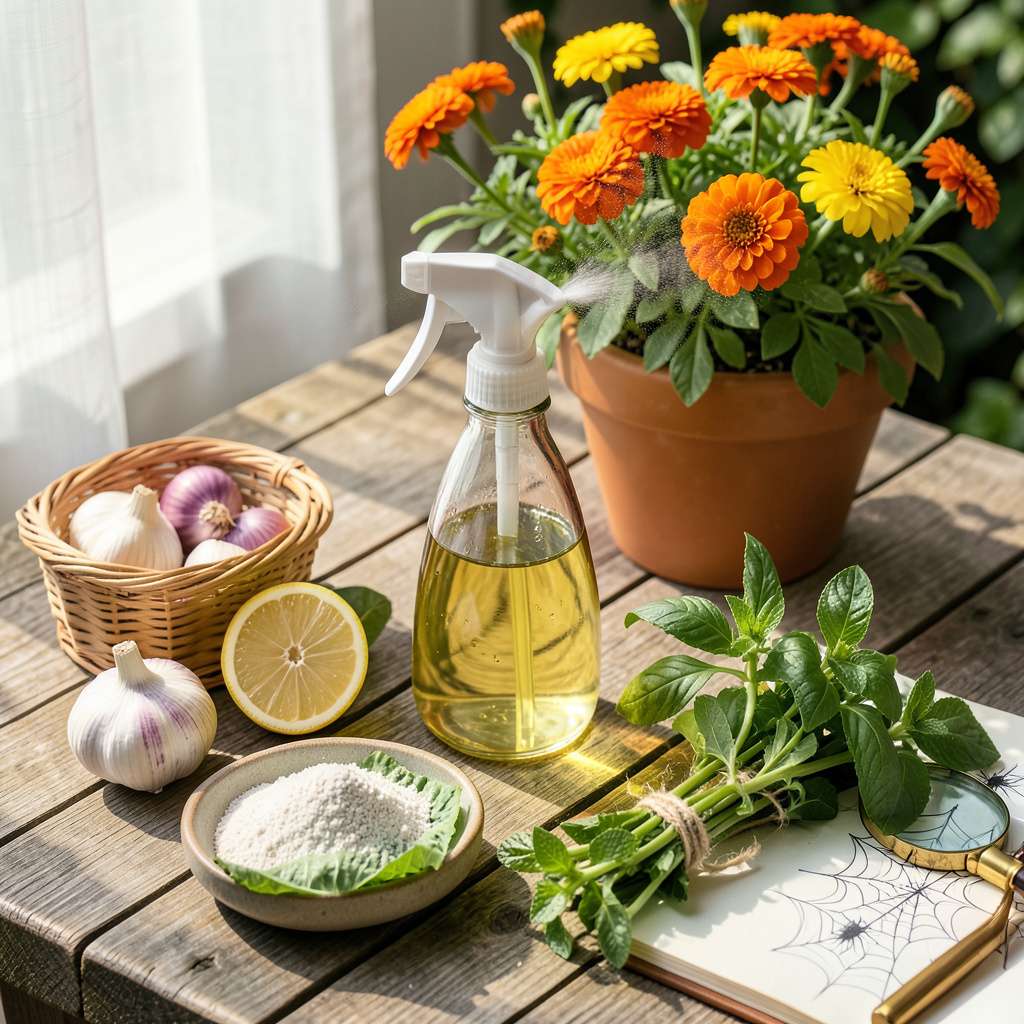
Nothing ruins gardening joy faster than watching pests move into your plants. I’ve lost entire crops to aphids and watched spider mites turn healthy leaves into lace—until I discovered natural solutions that actually work. The right approach doesn’t just kill bugs; it strengthens your plants against future attacks.
After years of trial and error (and more than a few failed experiments with homemade sprays), I’ve landed on five methods that consistently outperform chemical options. These aren’t just “natural alternatives”—they’re often more effective long-term because they don’t disrupt the beneficial insects keeping your garden balanced. You’ll need basic supplies like neem oil or simple soap, but the real secret is timing and technique.
What you’ll notice first is how quickly plants recover. Within 48 hours of proper treatment, new growth emerges cleaner and healthier. The pests don’t just leave—they stop coming back. I’ve maintained pest-free roses, tomatoes, and houseplants for entire seasons using these same methods.
Best part? Every solution here is safe for edibles, pollinators, and curious pets. Whether you’re dealing with a full-blown infestation or just want to prevent problems, these techniques adapt to any garden size or plant type. Let’s send those pests packing—for good.
📚 In This Guide
These methods work because they target pests while protecting your plants—and they’re all chemical-free.
Before treating, examine leaves (especially undersides), stems, and soil for specific pests. Aphids cluster on new growth, spider mites create fine webbing, and whiteflies scatter when disturbed. I use a magnifying glass for tiny pests like thrips or scale insects that blend into bark.
Immediately move the infested plant away from others to prevent spread. Place it in a quarantine area with good airflow—this disrupts pest reproduction cycles. Check neighboring plants daily for 3-5 days; many pests migrate before you notice the damage.
For soft-bodied insects (aphids, mites), blast them off with a strong stream of water from a hose or spray bottle. Use room-temperature water and focus on leaf undersides where pests hide. Repeat every 2-3 days until populations decline—this breaks their life cycle.
For larger pests (caterpillars, beetles) or heavily infested leaves, prune affected areas with sterilized scissors. Dispose of debris in sealed bags—never compost pest-ridden plant material. I sterilize tools between cuts with rubbing alcohol to avoid spreading pathogens.
For chewing insects, spray a neem oil solution (1 tbsp neem oil + 1 tsp mild soap per quart of water). Coat all plant surfaces thoroughly, especially new growth where pests feed. Reapply every 7-10 days—neem disrupts feeding and reproduction but requires consistency.
For fungal gnats or soil-dwelling pests, water with a hydrogen peroxide solution (1 part 3% peroxide to 4 parts water). The oxygen released kills larvae on contact. You’ll see reduced adult gnats within 3-5 days of treatment. Always test sprays on a small area first to check for phytotoxicity.
Release ladybugs or lacewings at dusk when they’re less likely to fly away. For severe infestations, I use 1,500 ladybugs per 1,000 sq ft—they’ll establish if food (pests) is available. Mist plants beforehand to encourage them to stay and drink.
For soil pests, apply beneficial nematodes (Steinernema feltiae) mixed with water according to package rates. These microscopic worms seek out and kill grubs without harming plants. Water soil before and after application to help nematodes move through the medium.
Keep plants healthy with proper watering—overwatering attracts fungus gnats, while drought-stressed plants lure spider mites. I use yellow sticky traps near plants to monitor flying pests; replace them when covered or every 2-3 weeks.
Encourage biodiversity by planting pest-repelling companions like basil, marigolds, or nasturtiums nearby. Rotate these annually to prevent pests from adapting. Inspect new plants for 7 days before introducing them to your collection—this is how most infestations begin.
After years of battling garden pests, we’ve learned these subtle but game-changing techniques that make Natural Pest Control Solution”>natural pest control more effective.
Pest Identification Precision: In Step 1, don’t just look for obvious signs—use a white piece of paper under leaves to spot tiny pests that blend in. Spider mites appear as moving specks, while thrips leave silvery streaks. I keep a small paintbrush to gently move pests for better identification without damaging plants. The 3-5 day monitoring period is crucial because some pests like mealybugs hide in leaf axils and only emerge periodically.
Water Spray Technique: When using the water method in Step 2, angle your spray bottle at 45 degrees to reach leaf undersides where 90% of pests congregate. Room-temperature water prevents plant shock, but I’ve found adding a single drop of dish soap (not mentioned in instructions) can improve effectiveness for stubborn aphids. Remember to spray in early morning so foliage dries quickly—lingering moisture attracts fungal issues.
Neem Oil Application Secret: For the neem oil spray in Step 3, warm the water slightly before mixing—this helps emulsify the oil better. Apply in the evening when beneficial insects are less active, and always spray the soil lightly too, as some pests like fungus gnat larvae live in the top inch of soil. The 7-10 day reapplication window accounts for pest life cycles; missing even one application can allow populations to rebound.
Beneficial Insect Retention: When releasing ladybugs in Step 4, lightly mist plants with sugar water (1 tsp sugar per cup of water) before release—this gives them an immediate food source. The 1,500 ladybugs per 1,000 sq ft ratio works because it creates enough density for mating and establishment. For best results, release them at dusk when they’re naturally less active and more likely to stay put.
Most natural remedies (like neem oil or soapy water) work best when applied every 5–7 days for 2–3 weeks. Heavy infestations may need more frequent treatment (every 3–4 days). Always reapply after rain, as water can wash away solutions. Monitor plants weekly to adjust timing!
Diluted solutions (e.g., 1 tsp soap per 1 liter of water) are usually safe, but vinegar can burn leaves if overused. Test sprays on a small area first, and avoid applying in direct sunlight. Stick to mild castile soap or insecticidal soaps for sensitive plants like ferns or succulents.
For immediate action, handpick bugs (wear gloves!) or blast them off with a strong water spray early in the morning. Follow up with neem oil or diatomaceous earth (DE) for lingering pests. DE works within 24–48 hours but must stay dry to be effective.
Yes! Stick to food-safe options like neem oil (rinse before eating), garlic spray, or companion planting (e.g., basil with tomatoes). Avoid chemical pesticides—opt for kaolin clay or pyrethrin (derived from chrysanthemums) if needed. Always check harvest wait times on product labels.
Bugs return due to eggs hatching, nearby infestations, or poor plant health. Combine treatments with preventive steps:
Consistency is key!
Dealing with plant pests doesn’t have to mean reaching for harsh chemicals! With simple, natural methods like neem oil, companion planting, or DIY sprays, you can protect your garden while keeping it thriving and eco-friendly. 🌱 A little consistency and observation go a long way in preventing future infestations.
Now that you’re equipped with these tools, pick one method to try this week—your plants will thank you! For more tips on organic gardening, check out our guide on preventing common plant diseases naturally next.
