
Beautiful Plants For Your Interior
Beautiful Plants For Your Interior
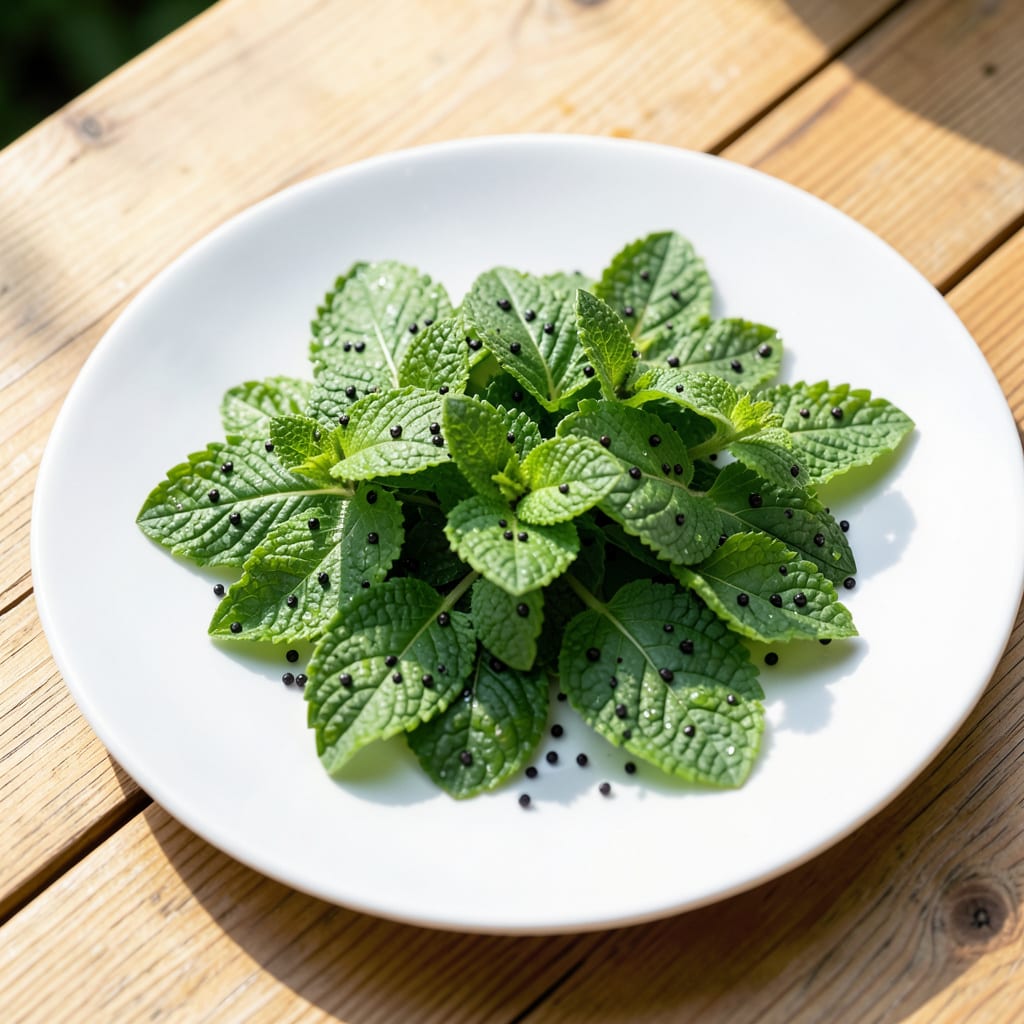
Those black dots on your mint aren’t just unsightly—they’re trying to tell you something. I’ve dealt with this exact issue in my own herb garden, and the solution is simpler than you’d think.
First, don’t panic. Whether it’s fungal spots, pest damage, or environmental stress, the fix starts with proper identification. Most cases clear up with basic cultural adjustments rather than harsh treatments.
You’ll notice the difference within 7-10 days of implementing the right approach. The key is acting fast before the problem spreads to the rest of your plant.
Works for all mint varieties, whether you’re growing in containers or garden beds. Here’s how to diagnose and treat it properly.
Black dots on mint leaves are often a sign of underlying issues that can be addressed once identified. Here’s a breakdown of the most common causes:
Fungi like Cercospora or Alternaria thrive in damp, poorly ventilated environments. These pathogens produce dark, circular lesions as they feed on plant tissue. Overhead watering and high humidity accelerate their spread. To confirm, check for fuzzy growth or concentric rings in the spots.
Sap-sucking pests such as aphids, spider mites, or thrips leave behind sticky honeydew, which attracts sooty mold—a black fungus that forms dots. Inspect the undersides of leaves for tiny insects or webbing. Their feeding also weakens the plant, making it more susceptible to secondary infections.
Overwatering or poor drainage can lead to root rot, which manifests as black spots on foliage due to nutrient deficiencies. Conversely, underwatering or extreme heat may cause leaf scorch, appearing as dark, crispy patches. Ensure consistent moisture and well-draining soil to prevent stress.
A lack of essential nutrients like magnesium or potassium can cause necrotic (dead) spots on leaves. Yellowing between veins often accompanies these deficiencies. Test your soil and amend with organic compost or balanced fertilizers to restore health.
Early identification of these causes allows for targeted, organic solutions to restore your mint’s vitality.
When you spot black dots on your mint leaves, quick and targeted action can save your plant. Below are practical fixes for common causes, along with prevention tips to keep your mint healthy long-term.
If the dots are small, irregular, and spreading, fungus is likely the culprit. Start by pruning affected leaves with clean, sharp scissors to prevent the spread. Dispose of the clippings away from your garden. Next, apply a baking soda spray (1 tsp baking soda + 1 quart water + a drop of dish soap) to the plant every 5–7 days until the issue clears. For stubborn cases, use neem oil (mix 2 tbsp with 1 gallon of water) as a natural fungicide.
Prevention tip: 💡 Improve air circulation by spacing plants 12–18 inches apart, and water at the base to keep leaves dry.
Black dots that move or appear in clusters may be pests like aphids or spider mites. Blast them off with a strong stream of water, then wipe leaves with a soapy water solution (1 tsp mild soap + 1 liter water). For persistent pests, introduce beneficial insects like ladybugs or use insecticidal soap (follow label instructions).
Prevention tip: 🌡️ Regularly inspect the undersides of leaves and encourage natural predators by planting companion flowers like marigolds.
Yellowing leaves with black spots often signal root stress from excess moisture. Stop watering immediately and let the soil dry out. If the pot lacks drainage, repot the mint in a container with drainage holes and fresh, well-draining soil. Trim any blackened roots to prevent rot.
Prevention tip: ✨ Water only when the top inch of soil feels dry, and use a pot with drainage to avoid soggy roots.
Dark spots paired with stunted growth may indicate a lack of nutrients, like calcium or magnesium. Apply a balanced, water-soluble fertilizer (10-10-10) every 4–6 weeks during the growing season. For organic options, work compost or worm castings into the soil.
Prevention tip: 🎯 Test your soil annually and amend it with organic matter to maintain fertility.
No, but it’s best to avoid consuming affected leaves. While not toxic, fungal or pest-related spots can be unappetizing and may harbor bacteria. Always wash mint thoroughly before use.
With proper care, you should see improvement in 7-10 days. Fungal treatments may take slightly longer, while pest control often shows results within 48 hours. Consistency is key.
Yes, if the roots are still healthy. Prune all affected foliage, repot in fresh soil, and treat with neem oil. Severe cases may require discarding the plant to protect others.
Possibly. Fungal spores and pests can travel between plants. Isolate affected mint and avoid overhead watering to prevent spreading. Clean tools after pruning.
