
Beautiful Plants For Your Interior
Beautiful Plants For Your Interior
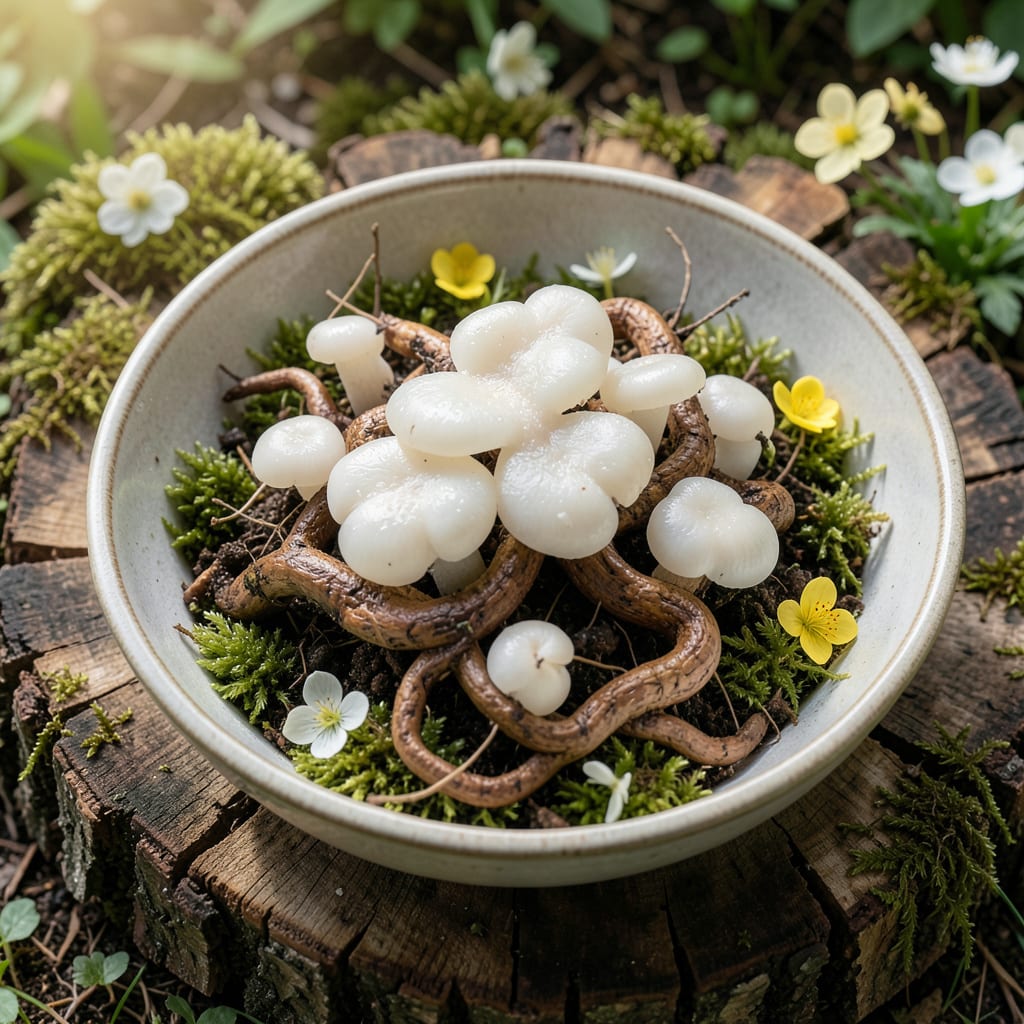
White fuzzy growth on roots sent me into a panic the first time I saw it. Turns out, it’s often a sign of overwatering or poor drainage rather than an actual disease.
I’ve saved dozens of plants by catching this early. The key is acting fast—before it spreads to healthy roots. Most cases respond well to simple adjustments in care and environment.
You’ll see new healthy growth within 2-3 weeks once conditions improve. The fix usually involves better airflow, less water, and sometimes a gentle fungicide treatment.
Works for houseplants, seedlings, and garden beds alike. Here’s exactly what to do when you spot it.
White fungus on plant roots, often caused by Sclerotium rolfsii or Fusarium species, thrives under specific environmental and cultural conditions. Below are the primary causes, explained with actionable insights to help you address the root of the problem.
Excess moisture is a leading culprit. When soil remains soggy, it creates an anaerobic environment that suffocates roots and invites fungal growth. Pythium and Phytophthora fungi, for example, spread rapidly in waterlogged conditions. Ensure your pots have drainage holes and use well-draining soil mixes with perlite or sand.
White fungal pathogens like Sclerotium flourish in temperatures between 80–90°F (27–32°C) with high humidity. These conditions accelerate spore germination. If you’re growing plants in a greenhouse or tropical climate, improve airflow with fans and maintain humidity below 60% to discourage fungal spread.
Fungal spores can linger in reused potting soil, garden tools, or even plant debris. Fusarium oxysporum, for instance, can survive in soil for years. Always sterilize tools with a 10% bleach solution and use fresh, pasteurized soil for seedlings or vulnerable plants. Avoid composting infected plant material.
Dense plantings restrict airflow, creating microclimates where moisture and warmth trap spores. This is especially common in vegetable gardens or indoor herb setups. Space plants according to their mature size and prune excess foliage to improve ventilation.
Weak or stressed plants are more susceptible to fungal attacks. Over-fertilizing with nitrogen can soften plant tissues, making them easier targets. Use a balanced fertilizer and conduct soil tests to address deficiencies (e.g., calcium or potassium) that may compromise plant health.
Tackling white fungus on plant roots starts with pinpointing the cause and applying the right fix. Here’s a practical guide to restoring your plant’s health.
If soggy soil is the culprit, stop watering immediately and let the soil dry out. Repot the plant in fresh, well-draining soil and ensure the container has drainage holes. Add perlite or coarse sand to improve aeration. Prevention tip: 💡 Water only when the top inch of soil feels dry.
Fungal growth thrives in dense, nutrient-poor soil. Remove the plant from its pot, gently rinse the roots to remove infected soil, and replant in a sterile, high-quality potting mix. Consider adding beneficial fungi like mycorrhizae to outcompete harmful pathogens. Prevention tip: 🌱 Use sterilized soil for new plantings.
Excess moisture in the air encourages fungal spread. Increase ventilation around your plants by spacing them out or using a small fan. Avoid misting leaves, and water in the morning so excess moisture evaporates during the day. Prevention tip: ✨ Maintain humidity below 60% for most houseplants.
For active infections, treat roots with natural fungicides like neem oil, hydrogen peroxide (3% solution), or a baking soda mixture (1 tsp per liter of water). Soak the roots for 10–15 minutes before repotting. Prevention tip: 🎯 Apply a preventive fungicide spray every 2–4 weeks during high-risk seasons.
Stressed plants are more susceptible to fungus. Boost their resilience with balanced fertilization, proper light exposure, and consistent care. Avoid over-fertilizing, which can damage roots and invite fungus. Prevention tip: 🌿 Rotate plants regularly to ensure even light distribution.
No, fungal spores can survive in soil for years. Always discard infected soil and sterilize pots with a 10% bleach solution before reuse.
With proper care, new healthy growth typically appears within 2-3 weeks. Recovery time depends on the plant type and severity of the infection.
Yes, excess nitrogen softens plant tissues, making them more vulnerable to fungal attacks. Use a balanced fertilizer and follow label instructions.
Improve airflow with fans and maintain humidity below 60%. Avoid overcrowding plants and ensure proper spacing for ventilation.
