
Beautiful Plants For Your Interior
Beautiful Plants For Your Interior
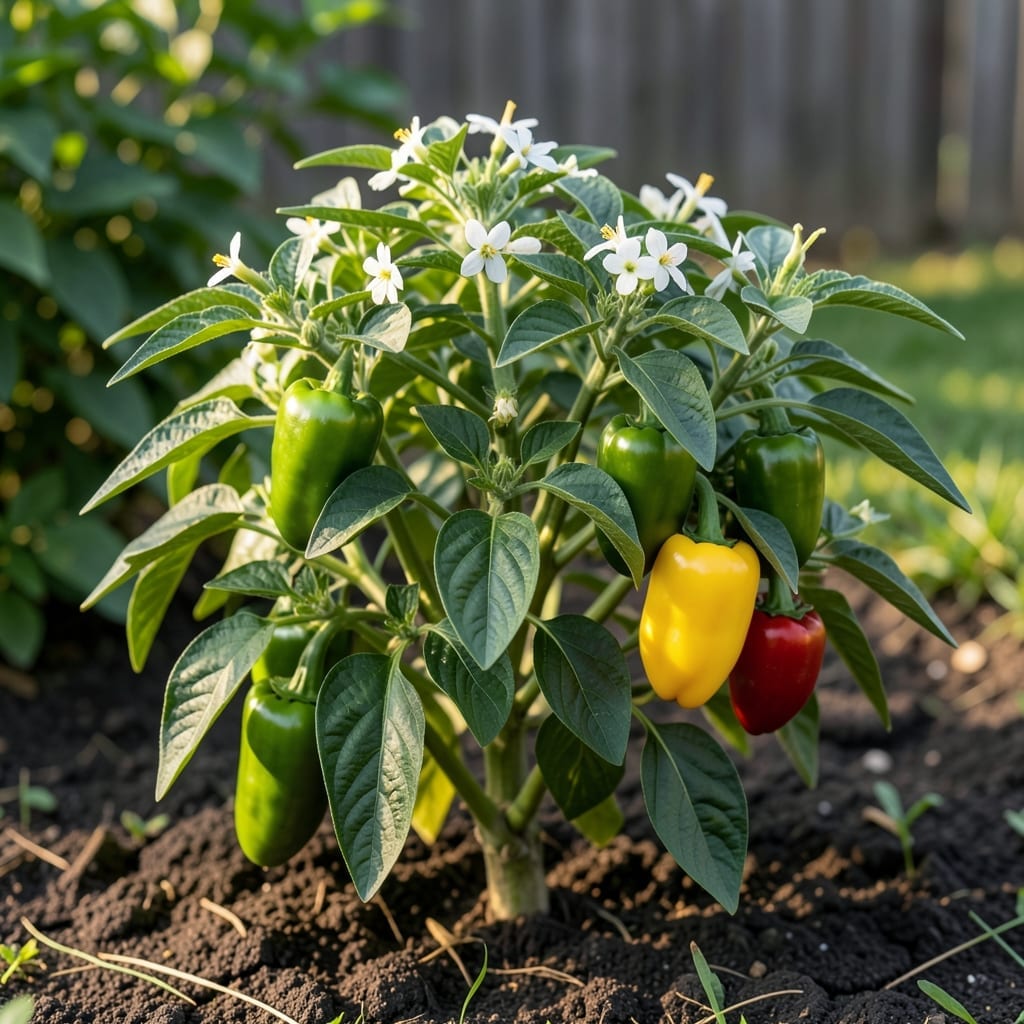
Nothing deflates a gardener faster than seeing pepper plants with leaves hanging like wet laundry. I’ve had entire rows go from vibrant green to sad and droopy overnight, and it’s always a race to figure out why.
Usually, it’s one of three culprits: too much water, not enough, or something gnawing at the roots. The fix is often simpler than you think—adjust your routine, check the soil, and watch for pests hiding under the leaves.
Once you spot the issue, recovery can be surprisingly fast. I’ve seen plants perk up within 24 hours after correcting watering habits. The key is acting before the stress sets in permanently.
Works for bell peppers, jalapeños, or any variety in your garden. Let’s get them standing tall again.
Pepper plants can wilt for several reasons, often tied to environmental stress or care mistakes. Here are the most common culprits:
Peppers need consistent moisture but hate soggy soil. Underwatering causes leaves to droop as the plant conserves water. Conversely, overwatering suffocates roots, preventing them from absorbing nutrients and water, leading to wilting. Check soil moisture 1-2 inches deep—it should feel damp, not dry or waterlogged.
Peppers thrive in 70–85°F (21–29°C) during the day and 60–70°F (15–21°C) at night. Heat above 90°F (32°C) can cause temporary wilting as the plant reduces water loss. Cold snaps below 50°F (10°C) slow metabolism, leading to droopy leaves. Use shade cloth for heat or row covers for cold.
A lack of magnesium (yellowing between leaf veins) or calcium (blossom end rot) can weaken plants, causing droop. Test soil pH (ideal: 6.0–6.8); imbalances block nutrient uptake. Amend with Epsom salt (for magnesium) or crushed eggshells (for calcium).
Sap-sucking pests like aphids or spider mites drain plant fluids, causing wilting. Fungal diseases such as Phytophthora root rot (from wet soil) also trigger drooping. Inspect leaves for pests and remove affected foliage. Treat with neem oil or copper fungicide as needed.
Transplant shock or compacted roots restrict water and nutrient flow. If roots are circling or mushy, gently loosen them and repot in well-draining soil. Avoid disturbing roots unnecessarily during repotting.
Reviving droopy pepper plants starts with identifying the root cause and applying the right fix. Here’s a practical guide to nurse your plants back to health:
If the soil is bone-dry, give your pepper plants a deep watering until moisture reaches the roots (about 1–2 inches deep). Water slowly to avoid runoff. Prevention tip: 🌡️ Check soil moisture daily in hot weather—stick your finger in the dirt to test dryness.
Soggy soil suffocates roots. Stop watering immediately and let the top 1–2 inches of soil dry out. If root rot is suspected, repot in fresh, well-draining soil. Prevention tip: ✨ Use containers with drainage holes and a mix of potting soil + perlite for better airflow.
For aphids or spider mites, spray leaves with neem oil or insecticidal soap. Fungal issues? Remove affected leaves and apply a copper fungicide. Prevention tip: 🎯 Space plants for airflow and avoid wetting leaves when watering.
Wilting in extreme heat? Move potted peppers to shade or use shade cloth (30–50% coverage). Water in the early morning to reduce evaporation. Prevention tip: 🔥 Mulch around the base to retain moisture and cool roots.
Yellowing leaves + drooping? Use a balanced fertilizer (10-10-10) or a calcium boost (like crushed eggshells) for blossom-end rot. Prevention tip: 💡 Feed every 2–3 weeks during growing season, but don’t overdo it—too much fertilizer can burn roots.
Act fast, and your peppers will perk up in no time! 🌿
Water when the top 1-2 inches of soil feel dry. In hot weather, this may mean daily watering, while cooler periods may need less. Always check soil moisture first to avoid overwatering.
Yes, if caught early. Stop watering, let soil dry, and repot in fresh, well-draining mix. Remove any mushy roots before replanting. Severe cases may require starting over.
This is often heat stress. Peppers may droop during the hottest part of the day but recover by evening. Provide shade during peak heat and ensure consistent moisture.
Check water first—give a deep drink if soil is dry. For overwatered plants, improve drainage immediately. Most recover within 24 hours with the right fix.