
Beautiful Plants For Your Interior
Beautiful Plants For Your Interior
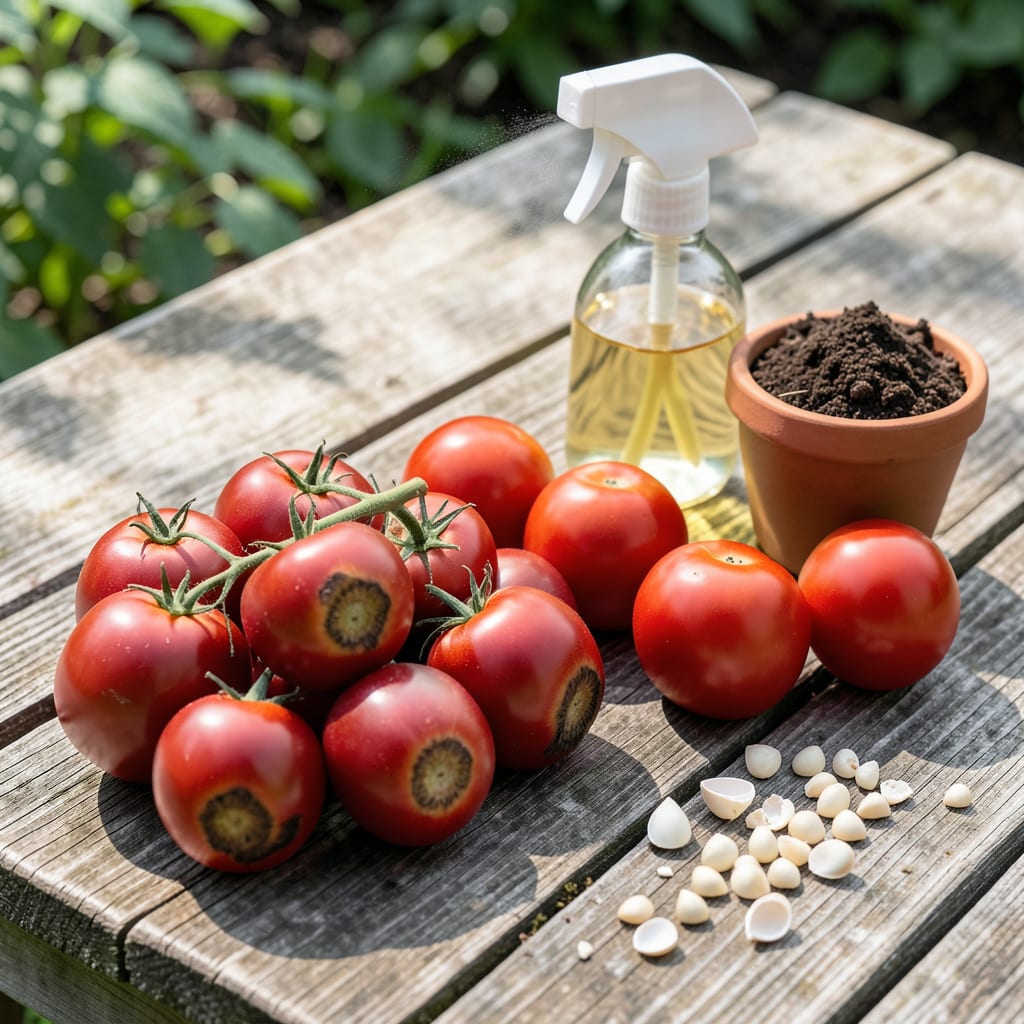
That sunken black spot on your tomatoes isn’t a disease—it’s a nutrient SOS. I lost half my harvest one summer before figuring out the calcium connection.
Turns out, inconsistent watering or poor soil blocks calcium uptake, even when it’s in the ground. The fix isn’t complicated: steady moisture and the right amendments change everything.
Within 2 weeks of adjusting, new fruit forms without the rot. Your plants won’t just survive—they’ll produce smooth, healthy tomatoes all season.
Works for container or in-ground plants, heirlooms or hybrids. Here’s the step-by-step rescue plan.
Blossom end rot isn’t a disease—it’s a physiological disorder triggered by environmental and nutritional stressors. Here’s what’s really going on beneath the surface:
The most common culprit is a localized calcium shortage in the developing fruit. Even if your soil has ample calcium, uneven watering or root damage can prevent the plant from absorbing and transporting it to the blossom end. Tomatoes need a steady supply of calcium during rapid fruit growth, and interruptions lead to weak cell walls, causing the telltale brown, sunken spots.
Fluctuating soil moisture—too dry, then too wet—disrupts calcium uptake. When roots dry out, they can’t pull calcium from the soil, and sudden rehydration doesn’t fix the deficit fast enough. This stress is especially damaging during fruit set and early development, when cells are dividing rapidly.
Heatwaves or cold snaps slow root activity, reducing calcium absorption. High temperatures also increase transpiration, which can pull calcium away from the fruit and toward the leaves. Similarly, chilly soil (below 55°F/13°C) stalls root metabolism, limiting nutrient uptake.
Overly acidic soil (pH below 6.0) or excessive salts from fertilizers can lock up calcium, making it unavailable to the plant. Even if calcium is present, an imbalanced soil pH or high magnesium/ammonium levels can outcompete calcium for root absorption.
During a growth surge (like after a heavy rain or fertilizer boost), the plant may prioritize leaf and stem development over fruit. If calcium supply can’t keep up with the demand, the blossom end—farthest from the roots—suffers first, leading to rot.
Blossom end rot can be frustrating, but these targeted fixes will help you save your tomato crop and prevent future issues. Address the root causes with these practical solutions:
Tomatoes need consistent soil moisture. Fluctuations disrupt calcium uptake, leading to rot. Water deeply 1–2 times per week (more in extreme heat) to keep soil evenly damp. Use drip irrigation or soaker hoses to deliver water directly to roots and avoid wetting foliage. Mulch with straw or shredded leaves to retain moisture and regulate soil temperature.
Even if your soil has calcium, plants may struggle to absorb it. Add calcium fast with these methods:
Hot, dry spells or cold snaps stress plants, hindering calcium absorption. Shield tomatoes with:
Start strong to avoid blossom end rot altogether:
Pro tip: 🎯 If rot appears, remove affected fruit immediately to redirect the plant’s energy to healthy tomatoes.
With consistent watering and calcium treatment, new fruit should show improvement within 1-2 weeks. Existing affected tomatoes won’t recover, but new ones will form without rot.
Yes, but they take months to break down. For immediate help, use crushed eggshells as a long-term soil amendment. For faster results, try a foliar calcium spray.
Overwatering creates inconsistent moisture, which disrupts calcium uptake just like drought. Stick to deep, regular watering and ensure good drainage.
Yes, remove them immediately to redirect the plant’s energy to healthy fruit. This also prevents further stress and encourages new, rot-free growth.
