
Beautiful Plants For Your Interior
Beautiful Plants For Your Interior
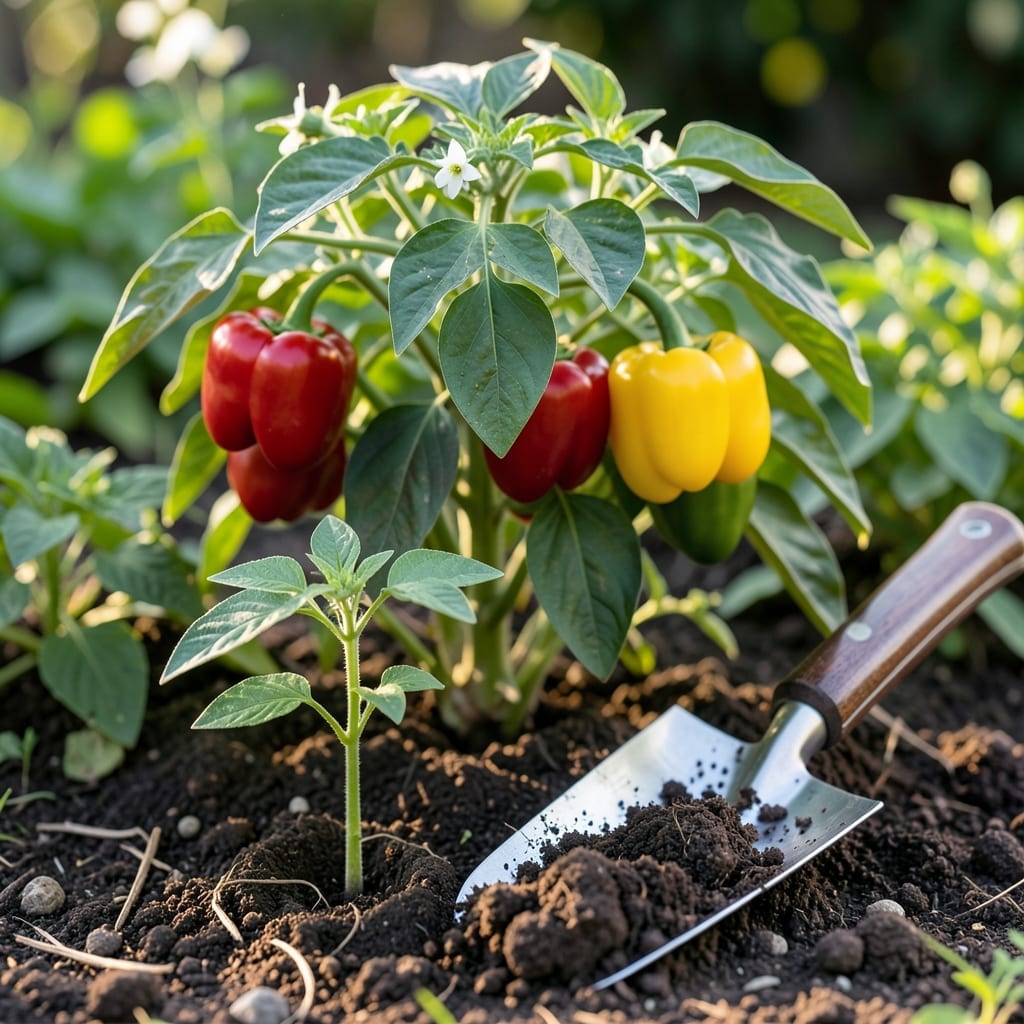
Arizona’s intense heat can make or break your 🌶️ Bell Pepper harvest, but timing is everything. Plant too late, and scorching temps will stunt your plants before they bear fruit.
I’ve learned the hard way that this state’s unique climate demands a strategic approach. The difference between a thriving garden and a disappointing one often comes down to a few critical weeks.
Whether you’re in the low desert or higher elevations, knowing when to get those seeds in the ground is the game-changer. The window is narrower than you might think.
Discover how to align your planting schedule with Arizona’s seasons for the sweetest, most abundant peppers possible. Let’s get it right from the start.
Timing is everything when growing bell peppers in Arizona’s desert climate. The state’s extreme heat means you’ll need to start early to avoid stressing your plants during the hottest months of the year.
I’ve found that low desert regions like Phoenix and Tucson have a narrow window for success. You’ll want to begin indoors 8-10 weeks before the last frost date, which is typically around February 15th.
| Region | Seed Start Indoors | Transplant Outdoors |
|---|---|---|
| Low Desert | December – January | February – March |
| High Desert | January – February | April – May |
| Intermediate | December – February | March – April |
For high desert areas like Flagstaff, the growing season is shorter due to cooler temperatures. Here, you can start seeds indoors in January or February and transplant outdoors in April or May.
Intermediate elevations, such as Prescott or Payson, offer a middle ground. I recommend starting seeds indoors in December through February and transplanting in March or April.
Soil temperature is critical for germination. Bell peppers need 70-80°F to sprout. Use a soil thermometer to check before planting. If the soil is too cool, seeds won’t germinate properly.
In the low desert, the last frost date is typically February 15th, but microclimates can vary. If you’re near a warm urban area, you might start a bit earlier. Always be prepared to protect young plants from unexpected cold snaps.
For transplanting outdoors, wait until the soil has warmed to at least 60°F. In most of Arizona, this means March or April for the low desert and April or May for higher elevations.
If you miss the early window, don’t despair. You can plant a second crop in late summer for a fall harvest, but be mindful of the first frost date, which can be as early as November 1st in some areas.
Remember, consistent watering and shade cloth can help your peppers thrive even in the heat. But getting the timing right from the start will give you the best chance for a bountiful harvest of sweet, crunchy peppers. ☀️
When growing bell peppers in Arizona, the midday sun can be brutal. I’ve learned that shade cloth is non-negotiable for afternoon protection, especially during 100°F+ days.
Start with 30-50% shade cloth positioned to block the western sun. Drip irrigation is another must—it delivers consistent moisture without wetting foliage, which can lead to sunburn or disease.
⚠️ Heat Stress Alert: Never water bell peppers overhead during peak sun. This causes leaf scorch and reduces yield. Stick to early morning drip irrigation for best results.
A thick layer of organic mulch helps retain soil moisture and keeps root zones cooler. I use straw or wood chips, but avoid dark mulches that absorb heat.
Choosing heat-tolerant varieties like ‘Carmen’ or ‘Aristotle’ can make a big difference. These cultivars handle Arizona’s high temperatures better than standard types.
If temperatures exceed 95°F, consider temporary shade structures. Even a lightweight fabric can prevent blossom drop, a common issue in extreme heat.
Finally, monitor plants closely for signs of stress, like wilting or yellowing leaves. Adjust your care routine as needed to keep them thriving through the hottest months. ☀️