
Beautiful Plants For Your Interior
Beautiful Plants For Your Interior
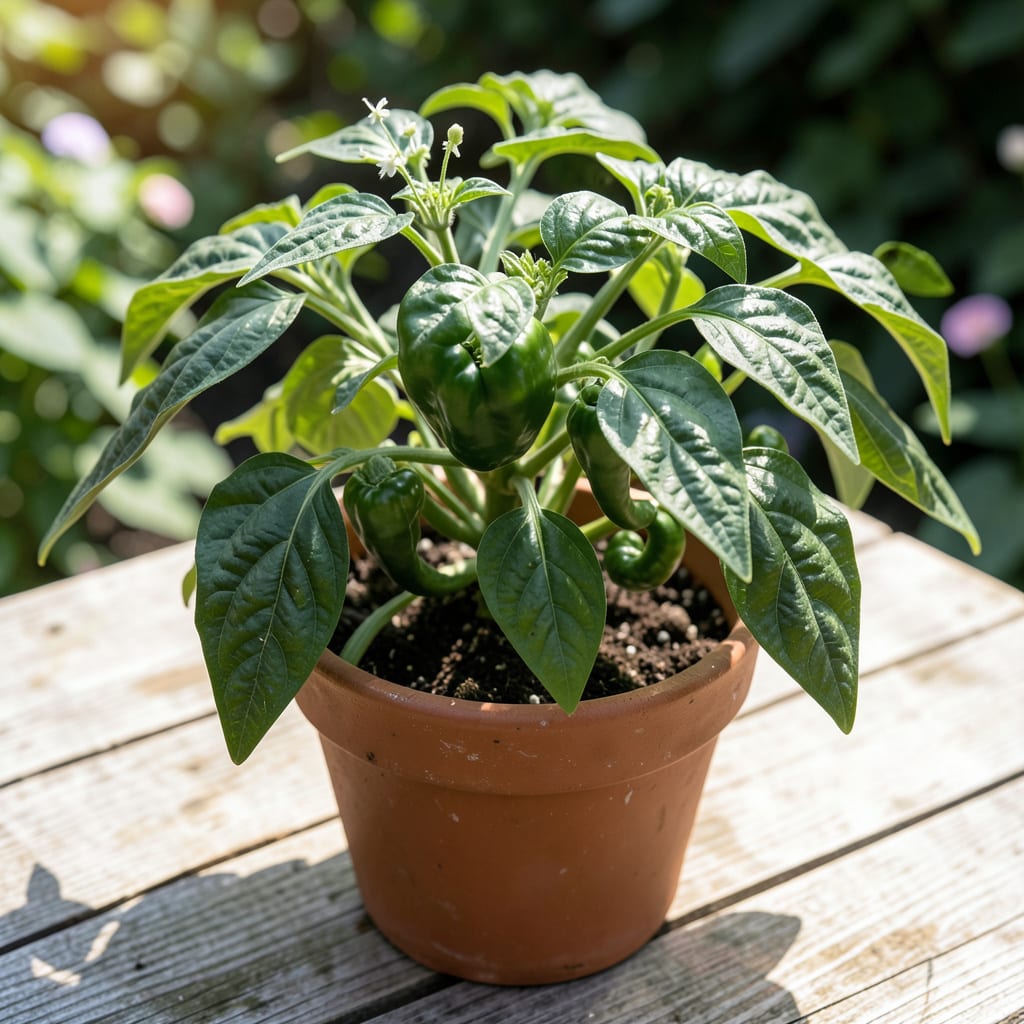
Nothing ruins a gardener’s day like seeing pepper leaves curled up like tiny tacos. I’ve been there, staring at my plants wondering what went wrong overnight.
Turns out it’s usually one of three things: thirst, pests, or too much love in the form of over-fertilizing. The good news? All three have simple organic fixes that work fast. Let’s figure out which one’s causing your problem.
📚 In This Guide
Here’s the method I use to diagnose and correct leaf curl in peppers naturally.
Start by checking the most common culprits: watering inconsistencies and temperature extremes. Peppers curl leaves when they’re either too dry or too soggy. Stick your finger 1 inch into the soil—if it feels bone-dry, your plant needs water. If it’s waterlogged, ease up and let it dry out.
Also, peppers hate cold. If nighttime temps drop below 55°F, leaves often curl to conserve warmth. Move potted plants indoors or cover garden plants with a frost cloth until temps stabilize above 60°F. I’ve seen curled leaves straighten within 24-48 hours once conditions improve.
Aphids, thrips, and spider mites love pepper plants and cause leaf curl as they suck out sap. Flip leaves over and look for tiny bugs or webbing. A strong spray from the hose can dislodge them, but I prefer a neem oil solution applied in the early morning or late evening to avoid leaf burn.
If you spot whiteflies, they’ll scatter when you disturb the plant. Treat with insecticidal soap every 3-4 days until they’re gone. Don’t skip this—pests stress plants quickly, and curled leaves are often the first sign of a bigger infestation.
Over-fertilizing, especially with high-nitrogen blends, can cause rapid, weak growth and curled leaves. If you’ve fed your peppers recently, flush the soil with water to remove excess salts. Switch to a balanced, organic fertilizer and follow package rates—more isn’t better here.
Underwatering shows as crisp, curled edges, while overwatering leads to soft, droopy curls. Water deeply at the base in the morning, aiming for 1-2 inches per week, and always let the topsoil dry slightly between waterings. Consistency is key.
Viral infections like mosaic virus cause mottled, curled leaves that won’t recover. If you see yellowing patterns or stunted growth, remove the affected plant immediately to prevent spread. Sterilize pruners with rubbing alcohol after handling to avoid contaminating others.
Fungal issues, such as leaf curl from excessive moisture, often start at the bottom of the plant. Improve air circulation by spacing plants 18-24 inches apart and watering early in the day so foliage dries quickly. A copper fungicide spray can help if caught early.
Took me a few ruined pepper plants to learn these the hard way.
Temperature Matters: If nighttime temperatures drop below 55°F, don’t wait to act. I learned that moving potted peppers indoors or covering garden plants with frost cloth until temps rise above 60°F can prevent permanent damage. Those curled leaves often straighten within 24-48 hours once conditions stabilize.
Watering Wisdom: The 1-inch soil test in Step 1 is your best friend. I check mine every morning by sticking my finger into the soil. If it feels dry at that depth, it’s time to water. If it’s soggy, hold off—overwatering causes those soft, droopy curls that are harder to fix than crisp, dry ones.
Pest Prevention: When treating with neem oil in Step 2, timing is everything. I apply mine in the early morning or late evening to avoid leaf burn from the sun. And don’t skip the follow-up treatments with insecticidal soap every 3-4 days if you spot whiteflies—they multiply quickly.
Spacing Strategy: For fungal issues mentioned in Step 4, that 18-24 inches apart spacing isn’t just a suggestion. I’ve seen plants crowded too closely develop moisture problems that lead to leaf curl. Good air circulation is your best defense against fungal infections.
Curling leaves often signal stress from underwatering, overwatering, or environmental factors like extreme heat or wind. Pests or diseases can also cause this, so inspect leaves closely for signs like spots or webbing.
Yes! If the cause is temporary (e.g., heat stress or a missed watering), leaves may recover once conditions improve. However, if curling persists, check for pests, nutrient deficiencies, or root damage.
Start by watering consistently (not too much or too little) and protecting plants from harsh sun or wind. Remove damaged leaves and treat pests with neem oil if needed. Organic fertilizers can help if nutrient deficiency is the issue.
Both can cause curling! Overwatered leaves may feel soft or yellow, while underwatered leaves often appear crispy or dry. Check soil moisture—it should be damp but not soggy.
Aphids, whiteflies, and spider mites are common culprits. Look for tiny bugs, sticky residue (honeydew), or fine webbing. Treat with insecticidal soap or introduce beneficial insects like ladybugs.
