
Beautiful Plants For Your Interior
Beautiful Plants For Your Interior
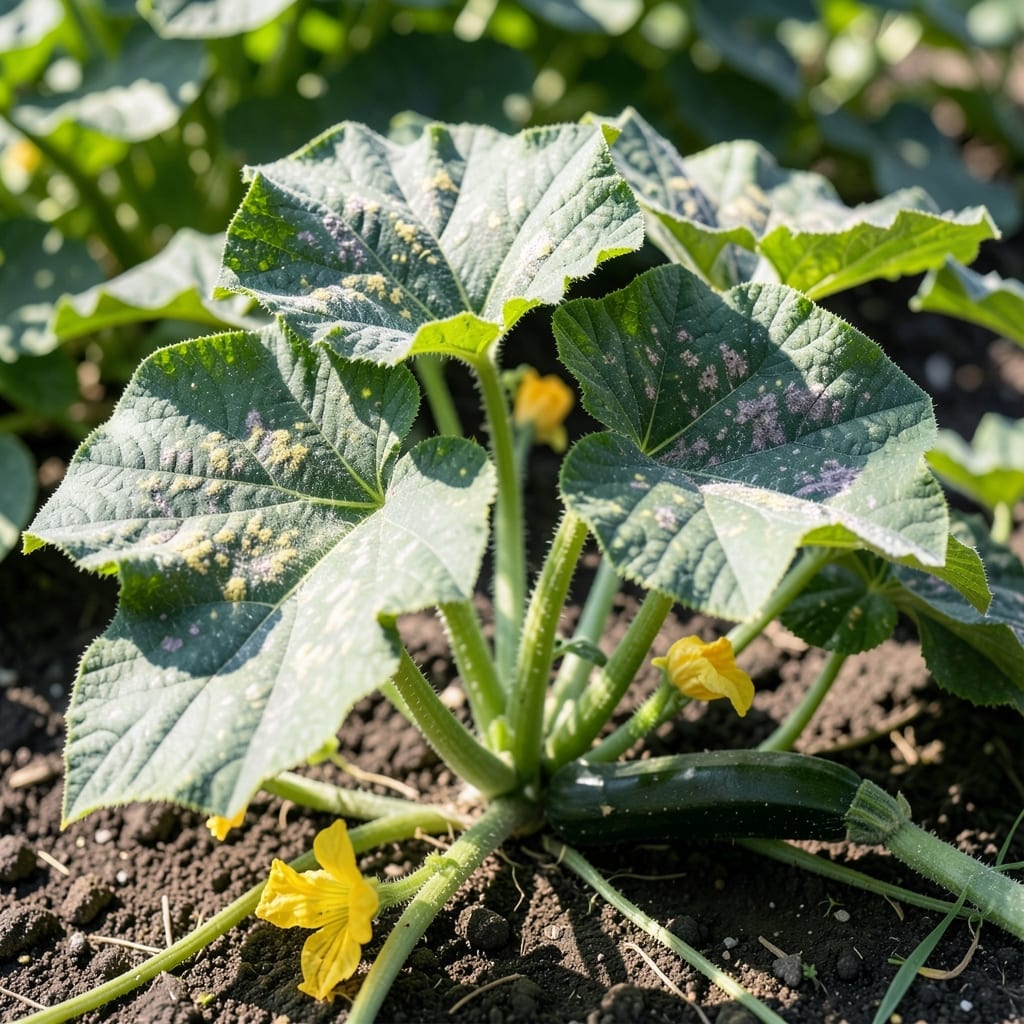
Last summer, my zucchini plants looked like they’d been dusted with gray powder. 🌱 Downy mildew strikes fast, turning healthy leaves into yellowing, diseased messes that can wipe out your harvest in days.
I learned the hard way that this isn’t just bad luck—it’s a fungal infection that thrives in cool, damp conditions. The key is catching it early before it spreads to every leaf and fruit on your vines.
With the right organic approach, you can stop the spread and even save your plants. I’ve tested methods that actually work without harsh chemicals, and the results speak for themselves.
Works for all squash varieties, not just zucchini. Here’s how to fight back.
Downy mildew in zucchini thrives under specific environmental and cultural conditions. Understanding these triggers helps you prevent outbreaks and protect your crop. Below are the primary causes, explained with actionable insights.
The pathogen Pseudoperonospora belbahrii (the culprit behind zucchini downy mildew) requires moisture to germinate and spread. High humidity (above 85%) or prolonged leaf wetness—from rain, overhead irrigation, or dew—creates the perfect breeding ground. Watering at the base of plants and improving air circulation can reduce this risk.
Unlike many fungal diseases, downy mildew prefers moderate to cool temperatures (59–77°F or 15–25°C). Sudden temperature drops, especially at night, combined with moisture, accelerate spore production. Row covers can help regulate temperature, but remove them during flowering to allow pollination.
Dense plantings or overgrown foliage trap moisture and limit airflow, giving spores a chance to settle and infect. Thin seedlings to the recommended spacing (2–3 feet apart) and prune excess leaves to improve ventilation. Staking vines can also elevate foliage, reducing contact with wet soil.
Some zucchini cultivars are more vulnerable to downy mildew. Planting resistant varieties (e.g., ‘Defender’ or ‘Tigress’) can significantly lower infection rates. Check seed packets for disease resistance codes (e.g., _DM_ for downy mildew).
The pathogen can overwinter in plant debris or travel via wind from infected cucurbit crops (like cucumbers or pumpkins). Rotate crops annually and remove all plant debris after harvest to break the disease cycle. Avoid planting zucchini near other cucurbits if downy mildew has been an issue.
Tackling downy mildew on your zucchini plants requires quick action and consistent care. Below are targeted solutions for common causes, along with prevention tips to keep your garden thriving. 🌱
Downy mildew thrives in damp, stagnant air. Space your zucchini plants at least 2-3 feet apart to allow airflow. Prune dense foliage to open the canopy, and avoid overhead watering to reduce leaf wetness. Prevention tip: Water early in the day so leaves dry quickly. 💡
Overwatering or poor drainage creates a haven for mildew. Water at the base of the plant (not the leaves) and use drip irrigation if possible. Ensure soil drains well—amend heavy clay with compost. Prevention tip: Mulch with straw to prevent soil splashing onto leaves. ✨
At the first sign of yellow spots or fuzzy growth on leaves, remove infected foliage immediately and dispose of it in the trash (not compost). Apply a copper-based fungicide or a DIY mix of 1 tsp baking soda + 1 quart water + a drop of dish soap every 7–10 days. Prevention tip: Rotate crops yearly to avoid soil-borne spores. 🎯
If humid, cool conditions persist, shield plants with row covers early in the season. Remove covers once flowers appear for pollination. Prevention tip: Choose resistant zucchini varieties like ‘Defender’ or ‘Wild Garden’. 🌡️
Act fast, stay consistent, and your zucchini plants will bounce back stronger! 🌿
Look for yellow spots on upper leaves and fuzzy gray growth underneath. These are classic early signs of infection.
Yes, it can spread to other cucurbits like cucumbers and pumpkins. Isolate infected plants immediately.
The fruit itself remains safe to eat, but remove and discard infected leaves promptly.
A baking soda spray (1 tsp per quart of water) works well as a first line of defense.