
Beautiful Plants For Your Interior
Beautiful Plants For Your Interior
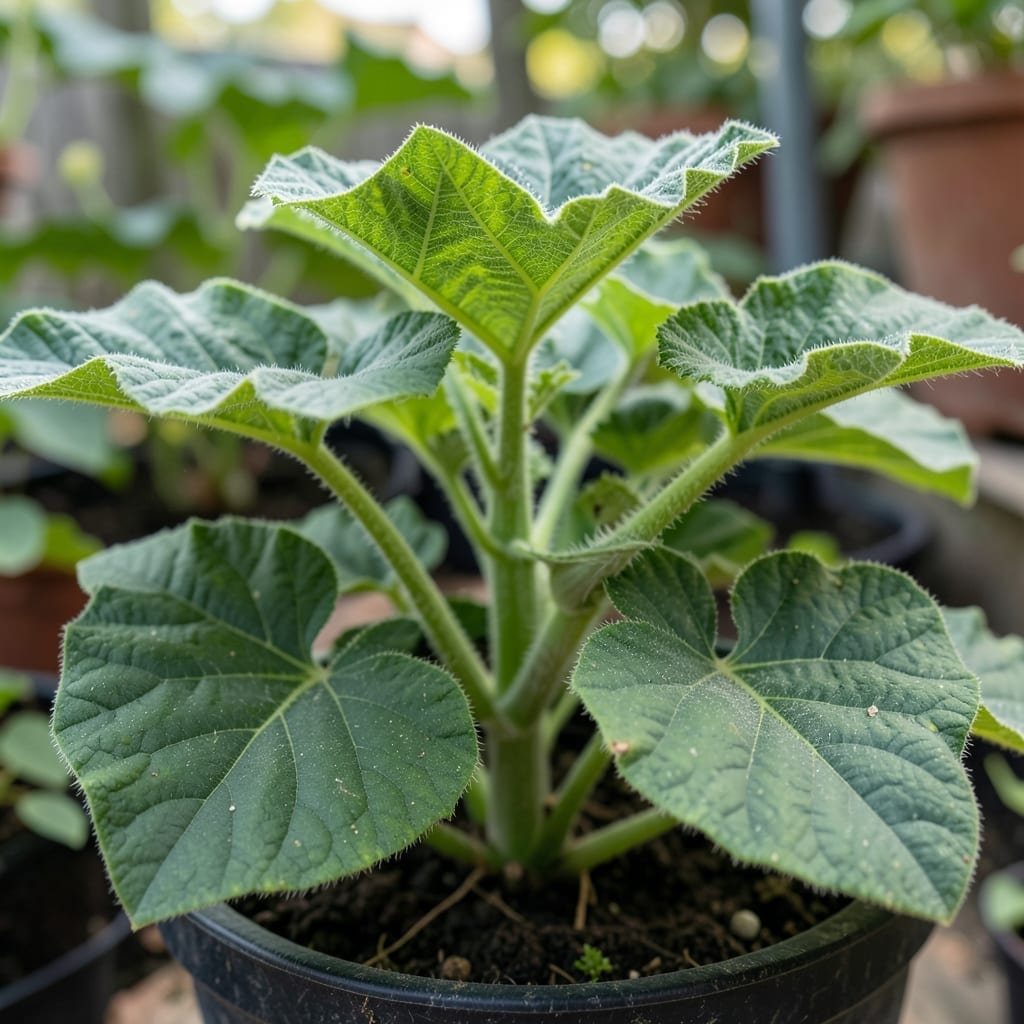
Yellow patches on top, purple fuzz underneath—your cucumbers aren’t dying, they’re under attack. I’ve lost entire crops to this before learning the early warning signs.
Downy mildew spreads fast in wet, cool weather, but organic sprays and airflow tricks can stop it cold. Here’s how to save your plants.
Nothing exotic—just organic defense for your cucumbers and squash.
| Ingredient | Amount | Notes |
|---|---|---|
| Neem Oil 🌿 | 1 quart | Cold-pressed organic |
| Baking Soda 🌾 | 1 tbsp | Food-grade for spray mix |
| Liquid Soap 💧 | 1 tsp | Mild unscented as surfactant |
| Copper Fungicide 🧪 | 1 quart | Organic fixed copper |
| Pruning Shears ✂️ | 1 piece | Sterilize between cuts |
| Spray Bottle 💦 | 1 piece | 1-gallon capacity ideal |
| Compost Tea 🌱 | 1 gallon | Aerated for foliar spray |
| Row Cover Fabric 📋 | 10 feet | Lightweight breathable |
[recipe_ingredient_scaler]
Neem oil and copper fungicide are your heavy hitters here. I grab Bonide or Garden Safe brands from Home Depot—both are OMRI-listed for organic use. The copper spray works best applied in the morning so leaves dry quickly (the good stuff, not the bagged-up concentrate from a sale).
No neem oil? Baking soda spray works in a pinch but requires more frequent application. Skip the copper if you prefer strictly non-metallic solutions—compost tea boosts plant resistance naturally. Row covers work for prevention but remove them once flowers appear for pollination (or whatever lightweight fabric you’ve got).
Store leftover sprays in a cool, dark place. Neem oil lasts 1-2 years, copper fungicide 3-5 years. I label each bottle with date and purpose so I’m not guessing six months later (worth the extra dollar).
Use these organic methods to protect your cucumber, squash, and melon plants from downy mildew.
At the first sign of yellow spots on upper leaf surfaces or purplish downy growth beneath, grab the pruning shears. Sterilize the blades between cuts with rubbing alcohol to prevent spreading spores. Remove only the affected leaves—don’t pull entire plants unless the infection is severe.
Bag and discard the diseased foliage immediately. Never compost it, as the pathogen survives and will reinfect your garden. I check plants daily during humid weather, as downy mildew can spread rapidly in 60-70°F temperatures with high moisture.
Mix the 1 quart copper fungicide according to package instructions and apply it to both upper and lower leaf surfaces using the spray bottle. Copper ions disrupt the fungal cell membranes, stopping the disease in its tracks. Spray until the solution just begins to drip from the leaves.
Reapply every 7-10 days or after rain, as the protective barrier washes away. I’ve found early morning applications work best—the leaves dry quickly in the sun, reducing the risk of phytotoxicity. Always wear gloves when handling copper fungicide.
Combine 1 quart neem oil, 1 tbsp baking soda, and 1 tsp liquid soap in the spray bottle. The neem oil disrupts fungal growth, while baking soda alters the leaf surface pH, making it less hospitable to spores. Shake well before each use to ensure even distribution.
Apply this mixture every 5-7 days as a preventive measure, focusing on the undersides of leaves where downy mildew thrives. I alternate this spray with copper applications for a one-two punch against the disease. Avoid spraying in direct sunlight to prevent leaf burn.
Use the 1 gallon compost tea as a foliar spray to strengthen plant defenses. The beneficial microbes in compost tea compete with and suppress fungal pathogens. Strain the tea through a fine mesh before adding it to the spray bottle to prevent clogging.
Apply in the early morning or late evening when temperatures are cooler. I’ve noticed plants treated with compost tea recover faster from stress and show increased resistance to downy mildew. Reapply after heavy rains or every 2 weeks during the growing season.
Drap the 10 feet row cover fabric over your cucurbit plants to create a physical barrier against spores. Secure the edges with soil or weights to prevent wind from lifting the fabric. Row covers work best when installed before the disease appears in your area.
Remove the covers when plants begin to flower to allow for pollination. I check the weather forecast and reinstall the covers if a period of cool, wet weather is expected—perfect conditions for downy mildew to spread. The fabric also provides some protection against insect pests.
If you’re managing downy mildew in cucurbits while following a keto diet, focus on resistant varieties like zucchini or cucumbers. These are low-carb staples that fit well into keto meal plans. 🥗
For gluten-free diets, cucurbits are naturally safe. However, if using organic sprays or treatments, always check labels to avoid hidden gluten in additives.
Cucurbits are generally allergen-free, but cross-contamination can occur during processing. If allergies are a concern, wash produce thoroughly or source from trusted growers. 💡
Vegetarians can safely enjoy cucurbits treated with organic fixes like neem oil or baking soda sprays. These methods align with plant-based lifestyles.
For low-sodium needs, avoid commercial fungicides with high sodium content. Opt for homemade remedies like copper sulfate (in moderation) or cultural practices like crop rotation. 🌱