
Beautiful Plants For Your Interior
Beautiful Plants For Your Interior
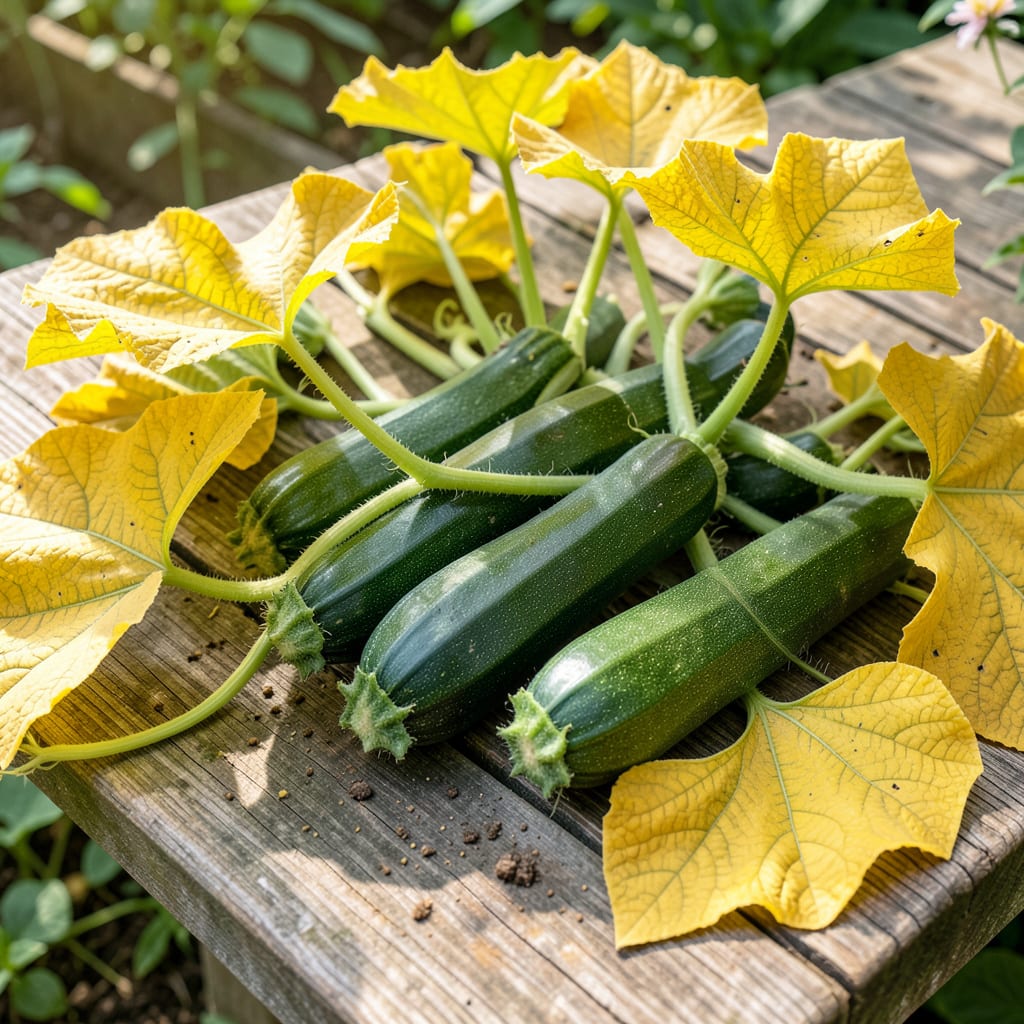
Those yellow leaves on your zucchini aren’t just ugly—they’re a cry for help. I’ve seen entire plants turn from vibrant green to sad yellow overnight, and it’s always fixable once you know what to look for.
Most times it’s either too much water, not enough food, or a sneaky pest throwing a party on the undersides. The good news? A 5-minute inspection usually reveals the culprit, and the solutions are simpler than you’d think.
With the right adjustments, you’ll see fresh green growth returning within a week. Your plants will bounce back stronger, and you’ll avoid the same mistake next season.
Works for container gardens, raised beds, or in-ground plantings. Here’s how to play plant detective.
Yellowing leaves on zucchini plants, or chlorosis, signal that something is disrupting chlorophyll production or function. This typically stems from environmental stress, nutrient deficiencies, or disease. Below are the most common causes, explained scientifically and with actionable insight.
Zucchini are heavy feeders, and yellow leaves often indicate a lack of essential nutrients. Nitrogen deficiency causes uniform yellowing of older leaves first, as nitrogen is mobile and the plant redistributes it to new growth. Magnesium deficiency appears as yellowing between leaf veins (interveinal chlorosis), often on lower leaves. A potassium shortage may cause yellow edges on older leaves, progressing to brown, crispy margins. Action: Test soil and amend with a balanced fertilizer (10-10-10) or targeted supplements like Epsom salt (for magnesium).
Zucchini roots need oxygen. Saturated soil suffocates roots, reducing their ability to absorb nutrients—even if those nutrients are present. This leads to yellowing, often accompanied by wilting. Root rot (e.g., Phytophthora or Pythium) can also develop in waterlogged conditions, causing roots to turn brown and mushy. Action: Ensure soil drains well (add compost or sand) and water only when the top inch of soil is dry.
Sap-sucking pests like aphids, whiteflies, and spider mites damage leaf tissues, stealing nutrients and introducing toxins. Their feeding causes stippling, curling, or yellowing, often on new growth. Action: Inspect leaf undersides and use insecticidal soap or neem oil for early infestations.
Powdery mildew (white, powdery spots) and downy mildew (yellow patches with fuzzy undersides) block sunlight, reducing photosynthesis. Bacterial leaf spot causes small, yellow-haloed lesions. These pathogens thrive in humid, crowded conditions. Action: Improve air circulation, avoid overhead watering, and apply copper-based fungicides preventively.
Extreme heat, cold snaps, or sudden temperature swings can shock zucchini plants, leading to yellowing. Sunburn (from intense UV exposure) may cause bleached or yellow patches on leaves facing direct sunlight. Action: Use shade cloth during heatwaves and harden off seedlings before transplanting.
Once you’ve identified the cause, these targeted fixes will get your zucchini back on track. Act fast—the sooner you intervene, the better the chances of a full recovery.
Yellowing between leaf veins often signals a lack of magnesium or iron. Use a balanced, water-soluble fertilizer (10-10-10) or apply Epsom salt (1 tablespoon per gallon of water) directly to the soil for magnesium. For iron, a foliar spray with chelated iron works quickly. Prevention tip 💡: Test your soil annually and amend with compost before planting.
If soggy soil is the culprit, stop watering immediately and let the top 1–2 inches of soil dry out. Improve drainage by mixing in perlite or sand. For potted plants, ensure containers have drainage holes. Prevention tip 🌡️: Water deeply but only when the soil feels dry at finger-depth—early morning is ideal to reduce evaporation.
For aphids or spider mites, spray leaves with a mix of 1 teaspoon neem oil and 1 quart of water, repeating every 5–7 days. Fungal issues like powdery mildew? Remove infected leaves and apply a copper-based fungicide. Prevention tip ✨: Space plants 2–3 feet apart for airflow, and avoid wetting leaves when watering.
If leaves scorch from excessive sun, provide afternoon shade with a row cover or move potted plants. For insufficient light, trim nearby plants blocking sunlight. Prevention tip 🎯: Zucchini thrives in 6–8 hours of sunlight daily—plan your garden layout accordingly.
Lower leaves naturally yellow as the plant matures. Simply snip them off with clean shears to redirect energy to new growth. Prevention tip 💡: Regularly remove dead or dying foliage to prevent fungal spread and improve air circulation.
Water deeply 2-3 times per week, allowing the top 1-2 inches of soil to dry between waterings. Morning watering is ideal to prevent fungal growth.
Severely yellow leaves won’t recover, but new growth will be green once you fix the underlying issue. Remove damaged leaves to redirect energy.
A balanced 10-10-10 fertilizer works well. For magnesium deficiency, use Epsom salt (1 tablespoon per gallon of water).
Inspect leaves weekly for pests like aphids or mites. Use neem oil or insecticidal soap at the first sign of trouble.
