
Beautiful Plants For Your Interior
Beautiful Plants For Your Interior
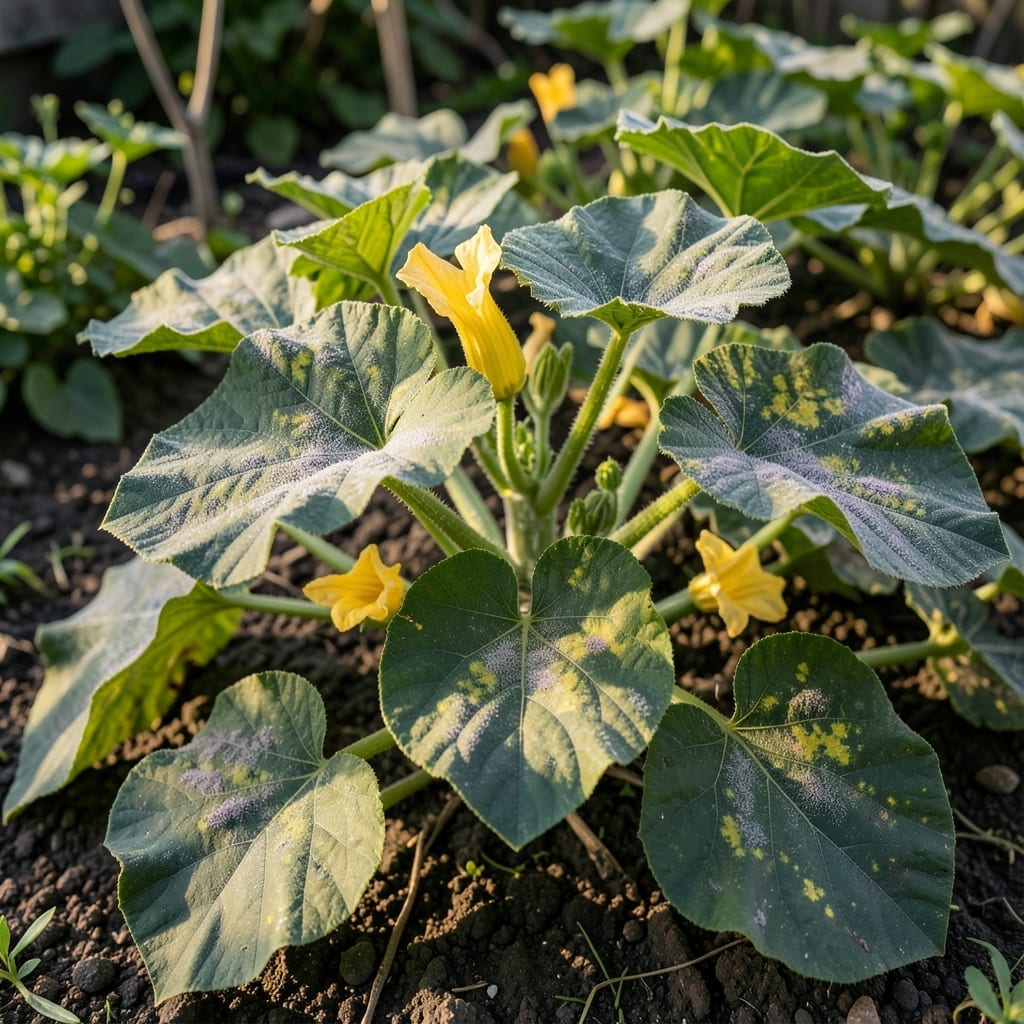
Yellowing leaves with purplish spots on the undersides—your squash plants might be in trouble. Downy mildew spreads fast in wet conditions, turning healthy vines into weak, unproductive shadows of themselves.
I lost an entire zucchini crop to this last summer. The first sign is pale patches on top, then the fuzzy gray growth underneath. It thrives in cool, humid weather, especially when plants stay wet too long.
Prevention is simpler than you think. Space plants for airflow, water at the base, and avoid evening watering. A copper fungicide spray at the first sign can stop it cold.
Your plants can bounce back from early infections. The key is catching it before it takes over the whole garden.
Downy mildew in squash plants doesn’t appear out of thin air—it’s triggered by specific environmental and biological factors. Understanding these causes helps you prevent outbreaks before they start. Here’s what’s really going on:
The primary culprit is excess moisture. The pathogen Pseudoperonospora cubensis thrives in humid conditions (above 85% relative humidity) and spreads rapidly when leaves stay wet for 6+ hours. Overhead watering, poor air circulation, or frequent rain create the perfect breeding ground.
While squash loves warmth, downy mildew spores germinate best in cool, damp nights (59–77°F). Temperature swings between warm days and chilly evenings accelerate spore production, especially in late summer or early fall when conditions are unpredictable.
Dense plantings restrict airflow, trapping moisture on foliage. Squash vines need 18–24 inches of spacing to reduce humidity buildup. Without it, spores spread unchecked from leaf to leaf, often starting on lower leaves before moving upward.
The pathogen can overwinter in plant debris or contaminated soil. Using infected seeds or failing to rotate crops (avoid planting cucurbits in the same spot yearly) gives the disease a head start. Sanitizing tools and removing old vines are critical to breaking the cycle.
Tackling downy mildew on squash requires quick action and a mix of cultural and chemical fixes. Here’s how to address the most common causes and keep your plants thriving.
Downy mildew thrives in damp conditions. Water at the base of plants in the morning to allow foliage to dry quickly. Space squash plants 3–4 feet apart to promote airflow. If humidity is high, prune dense leaves to reduce moisture buildup. Consider using a drip irrigation system to avoid wetting the leaves.
At the first sign of yellowing or white fungal growth on the undersides of leaves, remove and destroy affected foliage to prevent spread. Do not compost infected material. Apply a copper-based fungicide or a baking soda spray (1 tbsp baking soda, 1 tsp dish soap, 1 gallon of water) weekly or after rain. Always follow product instructions for safe use.
Weak plants are more susceptible. Amend soil with compost or well-rotted manure before planting to improve drainage and nutrient content. Use mulch to prevent soil splashing onto leaves, which can spread spores. Rotate crops yearly to avoid buildup of pathogens in the soil.
💡 Prevention Tips: Plant resistant squash varieties like ‘Dixie’ or ‘Supersett.’ Monitor leaves regularly, especially after rain, and act at the first sign of trouble. A little vigilance goes a long way!
It can move through a squash patch in 48-72 hours under ideal conditions. Warm days followed by cool, damp nights accelerate growth. Check plants daily during humid weather to catch it early.
The spores can overwinter in soil or plant debris. Rotate crops and remove all infected material after harvest. Planting resistant varieties like ‘Dixie’ helps prevent recurrence.
Yes, the fruit itself remains safe to eat. Wash thoroughly before consuming. However, severely infected plants may produce smaller or fewer squash as the disease weakens the vines.