
Beautiful Plants For Your Interior
Beautiful Plants For Your Interior
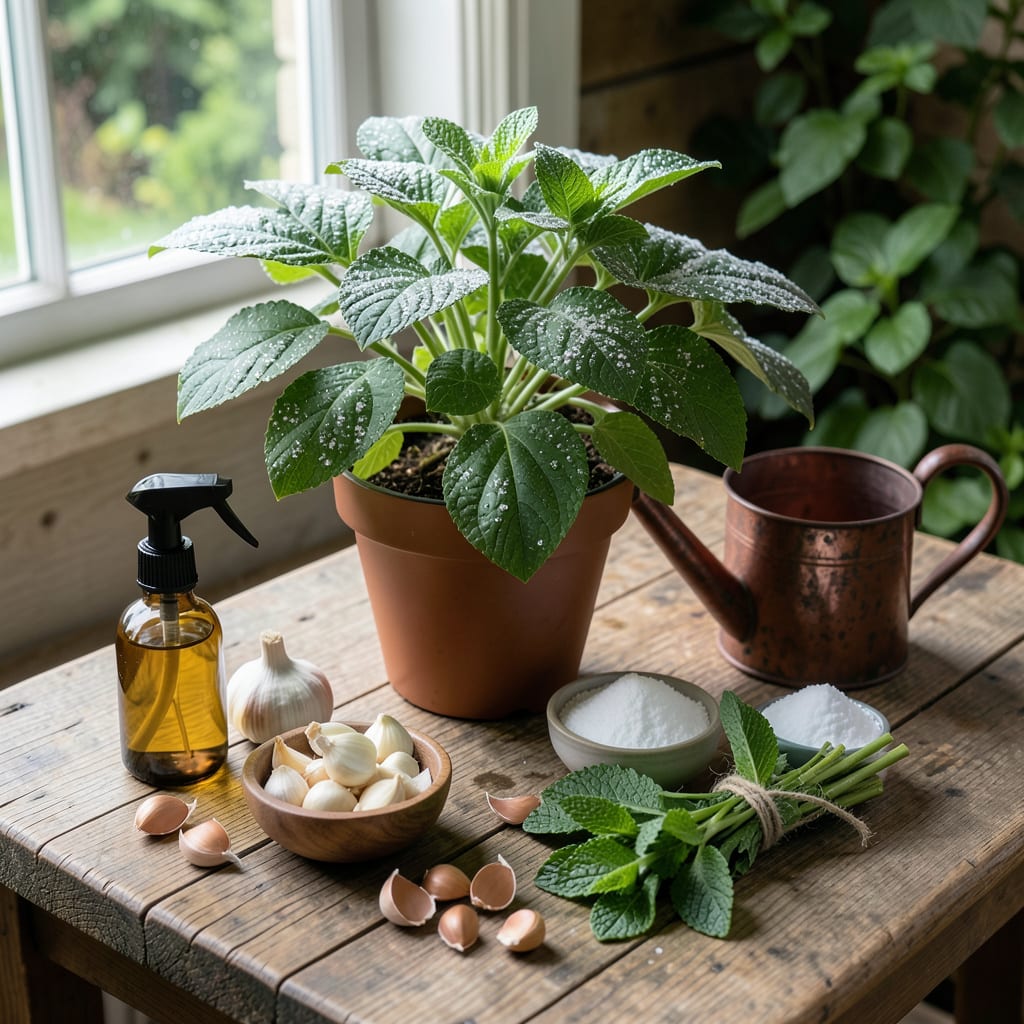
White spots on your leaves aren’t a death sentence. I’ve saved countless plants from mildew with simple fixes that work fast.
This fungus thrives in damp, crowded spaces. Airflow and sunlight are your first defense, but even well-tended plants can fall victim in humid weather.
The natural remedies I use clear up early infections in 3-5 days and prevent new outbreaks. No harsh chemicals, just smart solutions.
You’ll end up with healthy foliage that resists future attacks. The key is catching it early and staying consistent.
Mildew on plants is a common fungal issue, but it doesn’t appear out of nowhere. Understanding the root causes helps you prevent it before it takes hold. Here’s a breakdown of the most frequent culprits:
Fungal spores thrive in damp environments. Overwatering, poor drainage, or high humidity (above 85%) create the perfect breeding ground for mildew. Water at the base of plants (not the leaves) and ensure good airflow to reduce moisture buildup.
Stagnant air traps humidity around foliage, encouraging mildew growth. This is especially common in crowded gardens or indoor setups with no ventilation. Prune dense foliage and space plants properly to improve airflow.
Mildew flourishes in moderate temperatures (60–80°F) with high humidity. Sudden temperature drops or consistent warmth without airflow can trigger outbreaks. Use fans or adjust watering schedules in response to weather changes.
Weak or stressed plants (due to nutrient deficiencies, pests, or improper light) are more susceptible to fungal attacks. Maintain plant health with balanced fertilization and proper sunlight to build natural resistance.
Mildew spores can linger in soil, pots, or gardening tools. Reusing infected tools or potting mix spreads the fungus to healthy plants. Sterilize tools with rubbing alcohol and use fresh, well-draining soil for new plantings.
Mildew on plants can be frustrating, but these practical solutions will help you restore your garden’s health. Below are targeted fixes for common causes, along with prevention tips to keep mildew at bay.
Mildew thrives in stagnant, humid air. Space plants farther apart to encourage airflow, and prune dense foliage to open up the canopy. Use a small fan on low settings in greenhouses or indoor setups to keep air moving. Prevention tip: Always water plants at the base to avoid wetting leaves, which can trap moisture.
Too much water creates a damp environment perfect for mildew. Water only when the top inch of soil feels dry, and use drip irrigation or a watering can with a narrow spout to target roots. Prevention tip: Water in the early morning so leaves dry quickly in the sunlight. 💡
Crowded plants trap moisture and block airflow. Remove weak or diseased plants to give others room to breathe. If growing in containers, ensure each pot has drainage holes. Prevention tip: Rotate potted plants regularly for even air and light exposure.
Stressed or malnourished plants are more susceptible to mildew. Apply a balanced fertilizer to strengthen them, and avoid over-fertilizing with nitrogen, which promotes lush but weak growth. Prevention tip: Use compost or organic mulch to improve soil health and plant resilience. ✨
If humidity is the issue, use a dehumidifier in indoor gardens or group moisture-loving plants together outdoors. Avoid overhead watering in humid climates. Prevention tip: Choose mildew-resistant plant varieties for your region. 🎯
Yes, a mix of 1 teaspoon baking soda, 1 quart water, and a drop of dish soap can treat early mildew. Spray on leaves weekly until it clears.
Vinegar works but must be diluted (1:10 ratio with water) to avoid burning leaves. Apply in the morning for best results.
Space plants for airflow, water at the base, and remove fallen leaves. Sterilize tools between uses.
Remove infected leaves immediately and isolate the plant. Treat remaining foliage with neem oil or sulfur spray.
