
Beautiful Plants For Your Interior
Beautiful Plants For Your Interior
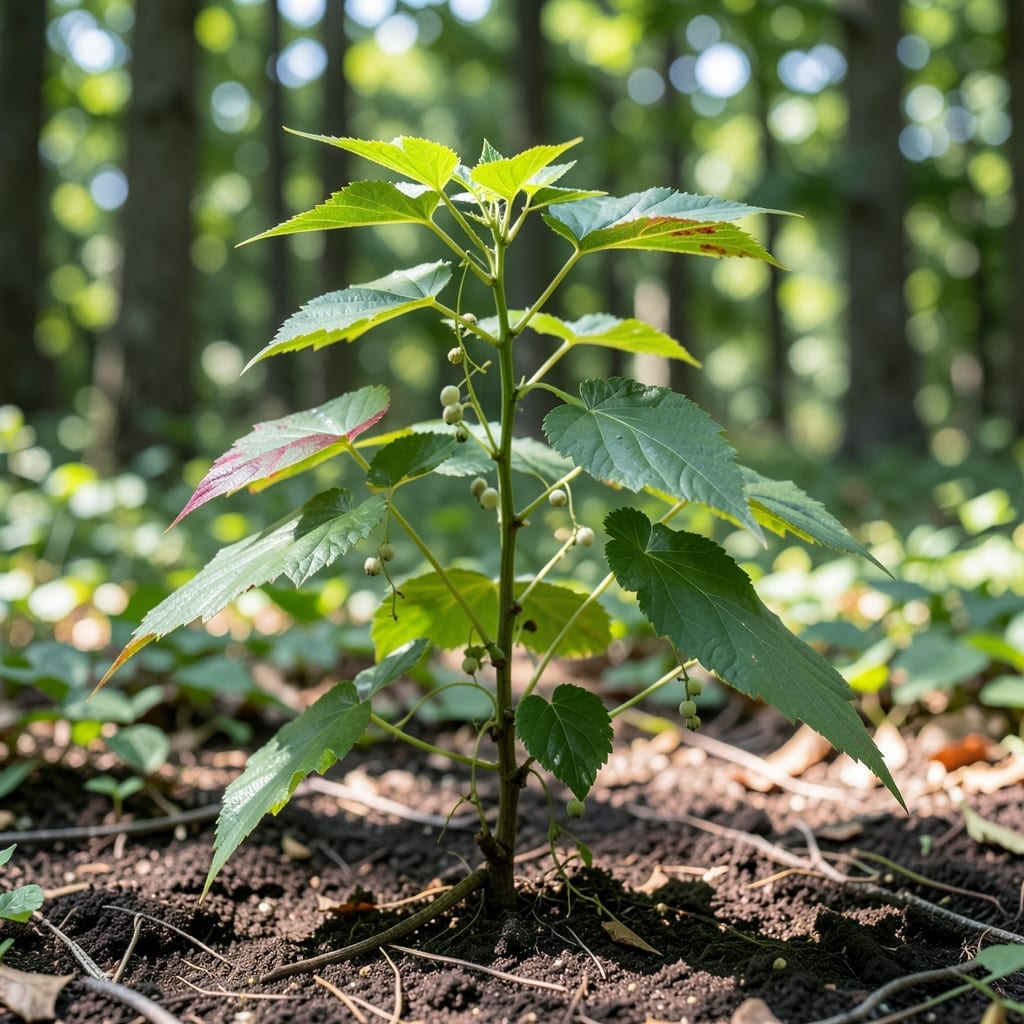
No, poison ivy always has three leaflets per stem, never five. This common myth confuses it with Virginia creeper or other lookalike plants with five leaves.
I’ve seen this mix-up trip up even experienced hikers. The three-leaf cluster is poison ivy’s signature, while five-leaf plants often belong to harmless species like Virginia creeper. 🔥
What’s tricky is how similar these plants can appear at a glance, especially in dense foliage. Always check the leaf count first—it’s the most reliable way to avoid an itchy mistake.
💡 In This Article
Poison ivy follows a strict trifoliate pattern, meaning each stem produces exactly three leaflets. This isn’t random—it’s a defining characteristic of the Toxicodendron radicans species. The middle leaflet grows on a slightly longer stalk, while the two side leaflets are nearly symmetrical. This arrangement is so consistent that botanists use it as a primary identifier.
The edges of poison ivy leaves can be smooth or toothed, but the three-leaf cluster remains unchanged. Even young plants and vines maintain this pattern. The leaves typically measure 2-6 inches long, with a glossy surface that can appear red in spring, green in summer, and yellow/orange in fall. 🔥
This structure serves a purpose. The trifoliate design maximizes sunlight exposure while minimizing water loss. It also makes the plant instantly recognizable to those who know what to look for. Unlike some plants that vary their leaf count based on age or environment, poison ivy’s three-leaf signature stays constant.
What often causes confusion is how the leaflets attach to the stem. They emerge from a single point, creating a cluster that might look like one compound leaf to the untrained eye. However, upon closer inspection, you’ll always see the three distinct leaflets connected by tiny stems to the main vine.
The oil urushiol, which causes the allergic reaction, is present in all parts of the plant, including the leaves, stems, and roots. This is why proper identification is crucial—even touching the stem of a plant with five leaves won’t cause a reaction if it’s not poison ivy. ✨
This myth likely comes from confusion with Virginia creeper, which has five leaflets in a similar arrangement. Both plants grow as vines and share leaf shapes, making them easy to mix up in dense foliage.
Count the leaves—poison ivy always has three leaflets per stem, while Virginia creeper has five. Also, poison ivy has glossy leaves, while Virginia creeper’s leaves are duller with toothed edges.
No common five-leaf plants in North America cause the same allergic reaction as poison ivy. The urushiol oil that triggers rashes is unique to plants like poison ivy, sumac, and oak—all with three leaflets.
No, poison ivy maintains its three-leaf pattern regardless of age, location, or season. The shape may vary (smooth or toothed edges), but the leaf count stays consistent.