
Beautiful Plants For Your Interior
Beautiful Plants For Your Interior
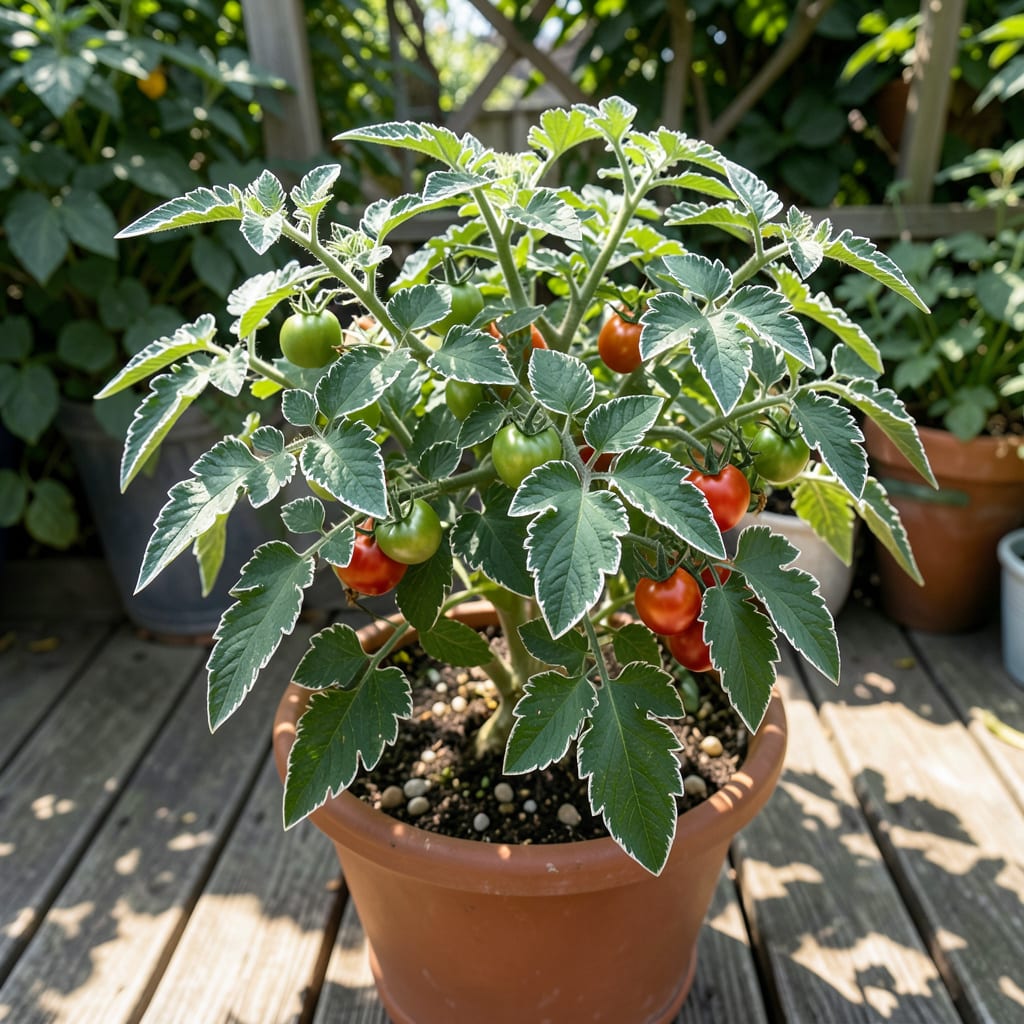
White edges on tomato leaves caught me off guard last season. It started with just a few leaves, then spread fast—like someone had traced the borders with a white marker.
Turns out, it’s often a nutrient issue, usually potassium or magnesium deficiency. But pests, diseases, or even too much sun can cause it too. I learned the hard way that ignoring it means stunted growth and fewer tomatoes.
Fixing it means identifying the root cause first. A soil test helped me pinpoint the problem, and a little fertilizer adjustment turned things around in 2 weeks.
Prevention is simpler than you’d think. Consistent watering, balanced soil, and regular checks keep your plants healthy and those white edges at bay.
White edges on tomato leaves are often a sign of underlying stress or disease. Here are the most common causes, explained simply:
Excessive direct sunlight, especially in hot climates, can scorch the edges of tomato leaves, turning them white or bleached. This happens when chlorophyll breaks down due to UV damage. Young plants or those suddenly exposed to intense light are most vulnerable.
Over-fertilization, particularly with synthetic nitrogen or potassium salts, can cause leaf margin burn. Salt accumulation in the soil draws moisture out of leaf edges, leading to white, crispy tips. This is common in dry soil conditions where salts aren’t flushed away.
Diseases like early blight (Alternaria solani) or septoria leaf spot can create white or tan edges as lesions expand. Fungal spores thrive in wet, humid conditions, attacking stressed plants first. Look for concentric rings or dark spots near the white areas.
Sudden cold snaps (below 50°F/10°C) or heat spikes (above 90°F/32°C) disrupt cellular function. White edges may appear as the plant struggles to photosynthesize efficiently. Row covers or shade cloth can prevent this stress.
Actionable Tip: Check soil moisture and recent weather—most cases trace back to environmental stress or cultural practices!
When your tomato plants start showing white edges on their leaves, act fast to prevent further damage. Below are targeted fixes for each common cause, paired with prevention tips to keep your plants thriving.
Shield leaves from intense sunlight by using shade cloth (30-40% density) during peak hours (10 AM–4 PM). For potted plants, move them to a partially shaded area. Prevention tip: Harden off seedlings gradually before transplanting to full sun. 💡 Avoid sudden exposure to harsh light, especially in hot climates.
For magnesium deficiency, dissolve 1 tablespoon of Epsom salt in a gallon of water and spray leaves weekly until symptoms fade. For potassium deficiency, work wood ash or a potassium-rich fertilizer into the soil. Prevention tip: Test soil annually and amend with compost or balanced fertilizer before planting. ✨ Yellowing between veins? Magnesium is likely the culprit.
Let the top 1–2 inches of soil dry out between waterings. If the soil stays soggy, improve drainage by mixing in perlite or coarse sand. For container plants, ensure pots have drainage holes. Prevention tip: Use a moisture meter to avoid guesswork. 🌡️ Tomatoes prefer consistent moisture, not waterlogged roots.
For spider mites, spray leaves with neem oil (1 tablespoon per gallon of water) every 3–5 days until pests are gone. For fungal problems, remove affected leaves and apply a copper fungicide. Prevention tip: Space plants 2–3 feet apart for airflow and water at the base (not overhead) to reduce humidity. 🎯 Early intervention stops pests and fungi from spreading.
Yes, too much fertilizer can cause salt buildup, burning leaf edges. Flush soil with water to remove excess salts, and hold off on feeding for 2-3 weeks.
Sunburn appears on exposed leaves only, while disease spreads unevenly. Check for spots or yellowing—those suggest fungal issues instead of heat damage.
Damaged edges won’t heal, but new growth will be healthy once the issue is fixed. Remove severely affected leaves to direct energy to healthy foliage.
Test soil before planting, use shade cloth in hot climates, and maintain consistent watering. Healthy soil prevents most nutrient-related edge problems.
