
Beautiful Plants For Your Interior
Beautiful Plants For Your Interior
Some plants masquerade as trees, causing confusion in gardens and landscapes. These ten deceptive weeds can grow tall and woody, often going unnoticed until they spread aggressively. Learn to identify and manage these tree-like imposters before they take over your outdoor space.
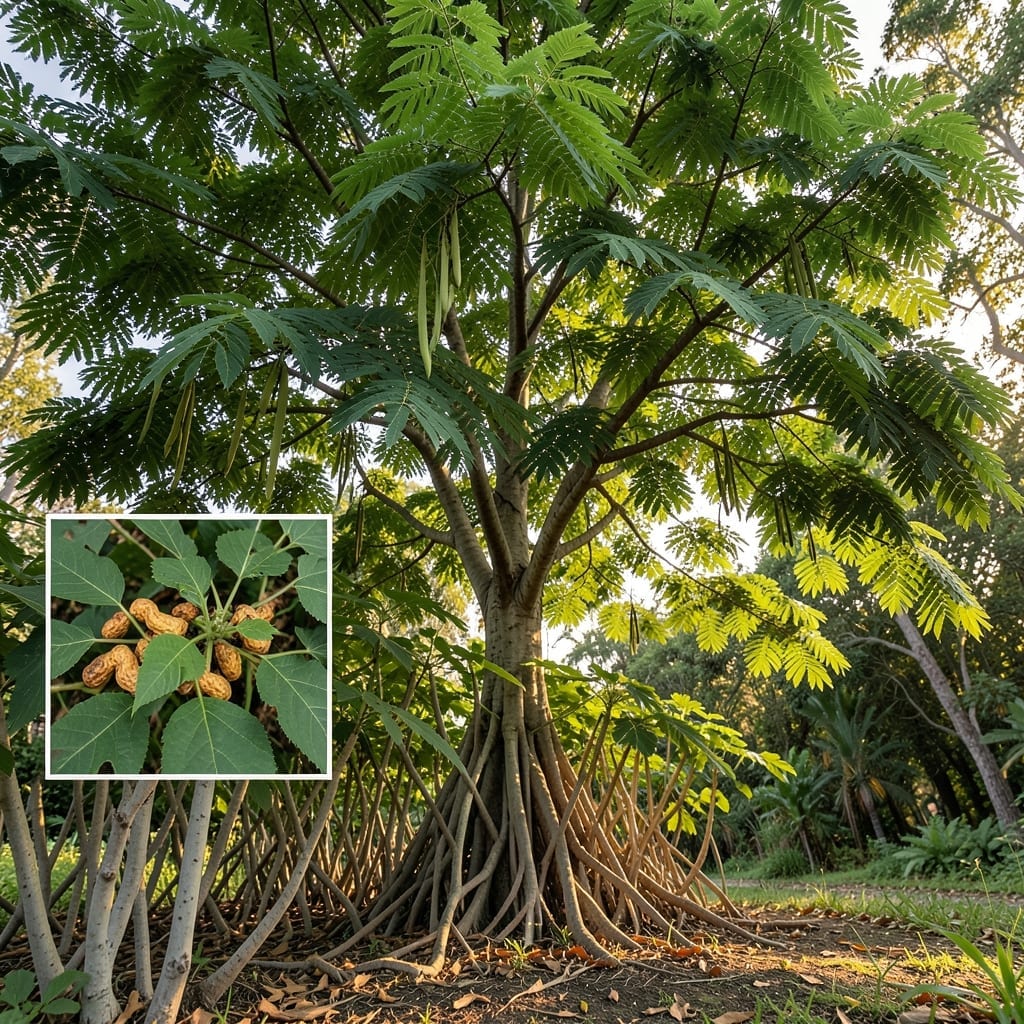
Don’t let its name fool you—Tree of Heaven is no garden blessing. This fast-growing impostor mimics sumac with its compound leaves but gives itself away with a distinct, unpleasant smell when its foliage is crushed.
It spreads aggressively through root suckers, quickly forming dense thickets that crowd out native plants. Urban gardeners and land managers often battle this invasive, as it thrives in poor soils and disturbed areas, making it a persistent nuisance.
Early identification and removal are key to keeping this tree-like weed from taking over your landscape. 🌱
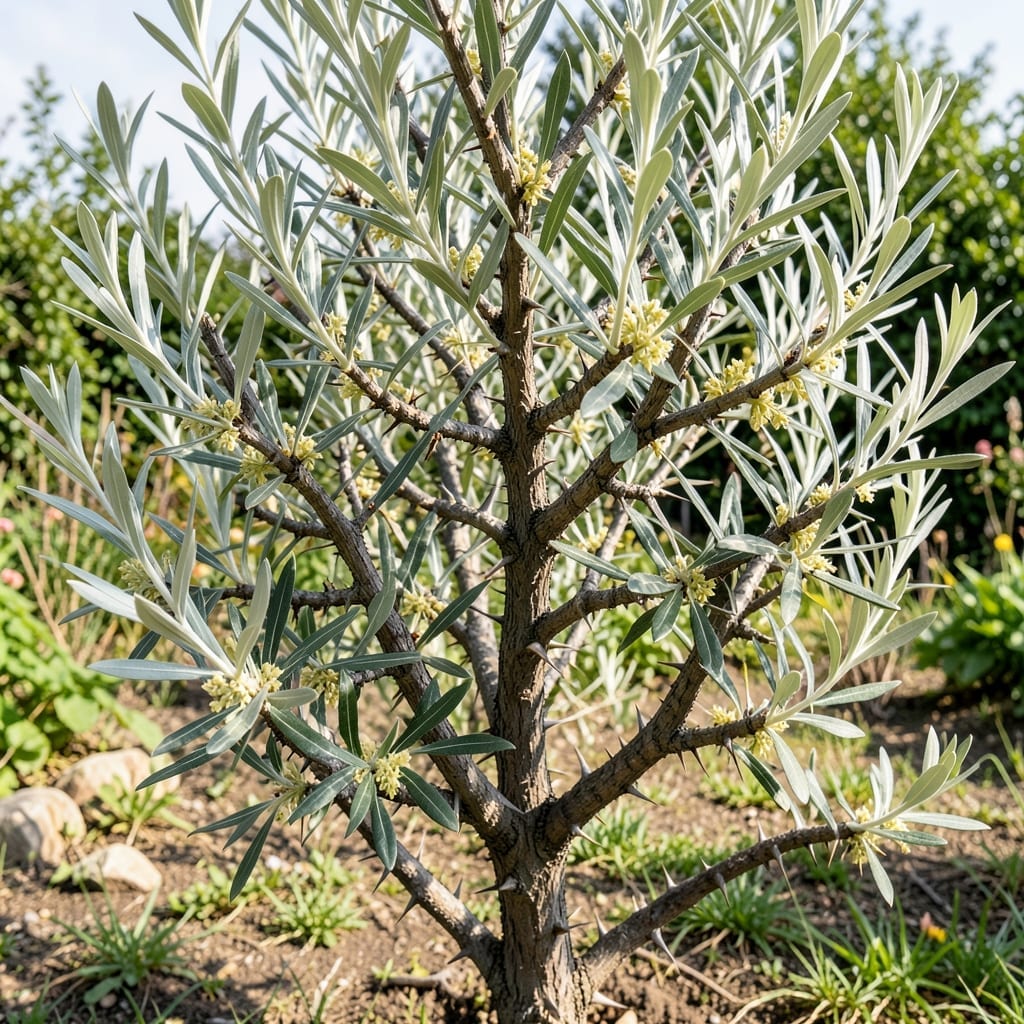
With its silvery leaves and thorny branches, Russian Olive may look like a hardy ornamental shrub at first glance. But this drought-tolerant plant can quickly grow into a small tree, often reaching 12-15 feet tall in ideal conditions.
Originally planted for erosion control, it produces small yellow fruits that wildlife spreads far and wide. Its ability to thrive in poor, dry soils makes it a survivor—but also an aggressive invader in natural areas, crowding out native species.
If you see this plant in open spaces, consider removal to protect local ecosystems. 🌿
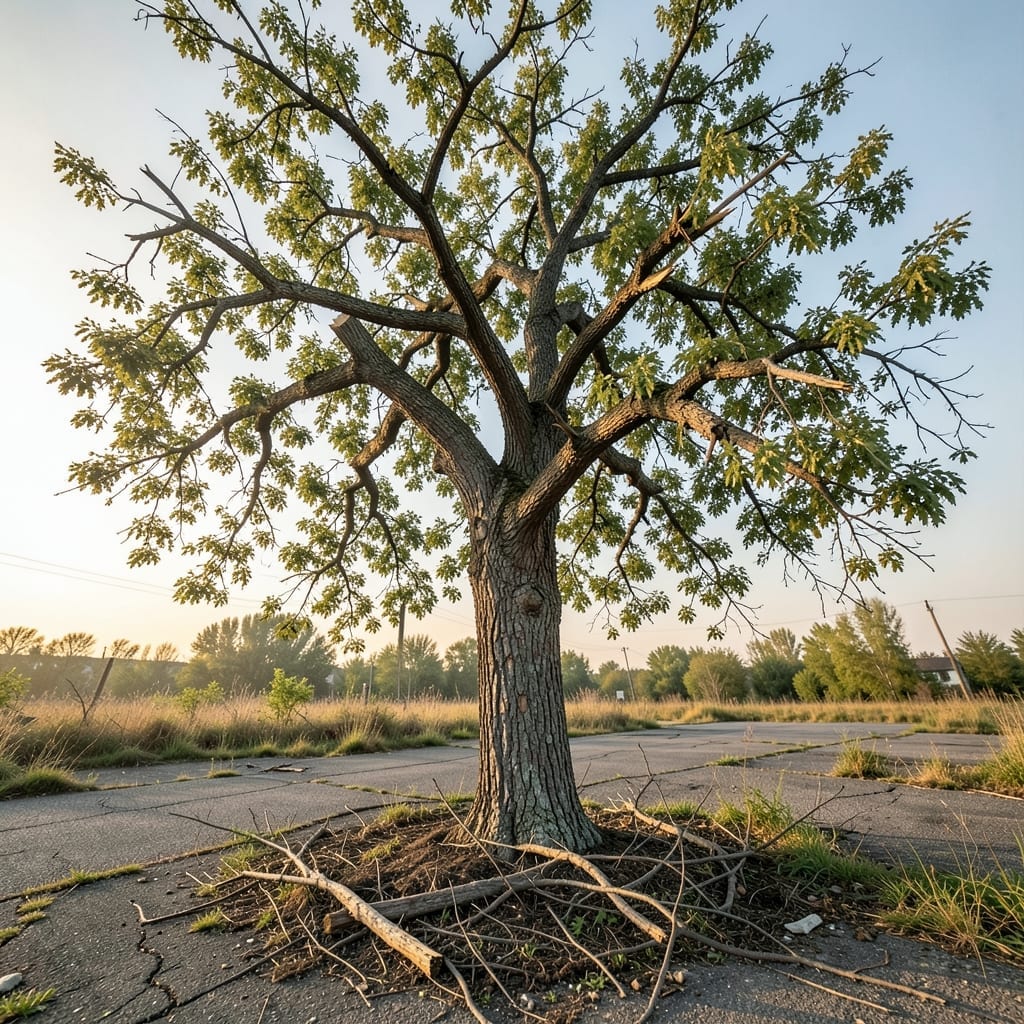
Spot a scraggly tree along a roadside or in a vacant lot? It might be the Siberian Elm, a fast grower with a bad reputation. This tree earns its weed status through brittle branches that snap easily in storms and its tendency to pop up anywhere soil is disturbed.
Its small, rough leaves and weak wood make it a poor choice for landscapes, yet it thrives in urban settings where little else will grow. You’ll often see it in cracks of pavement or abandoned fields, spreading aggressively by seed.
While some appreciate its hardiness, most gardeners remove it to prevent property damage and invasive spread. 🌱
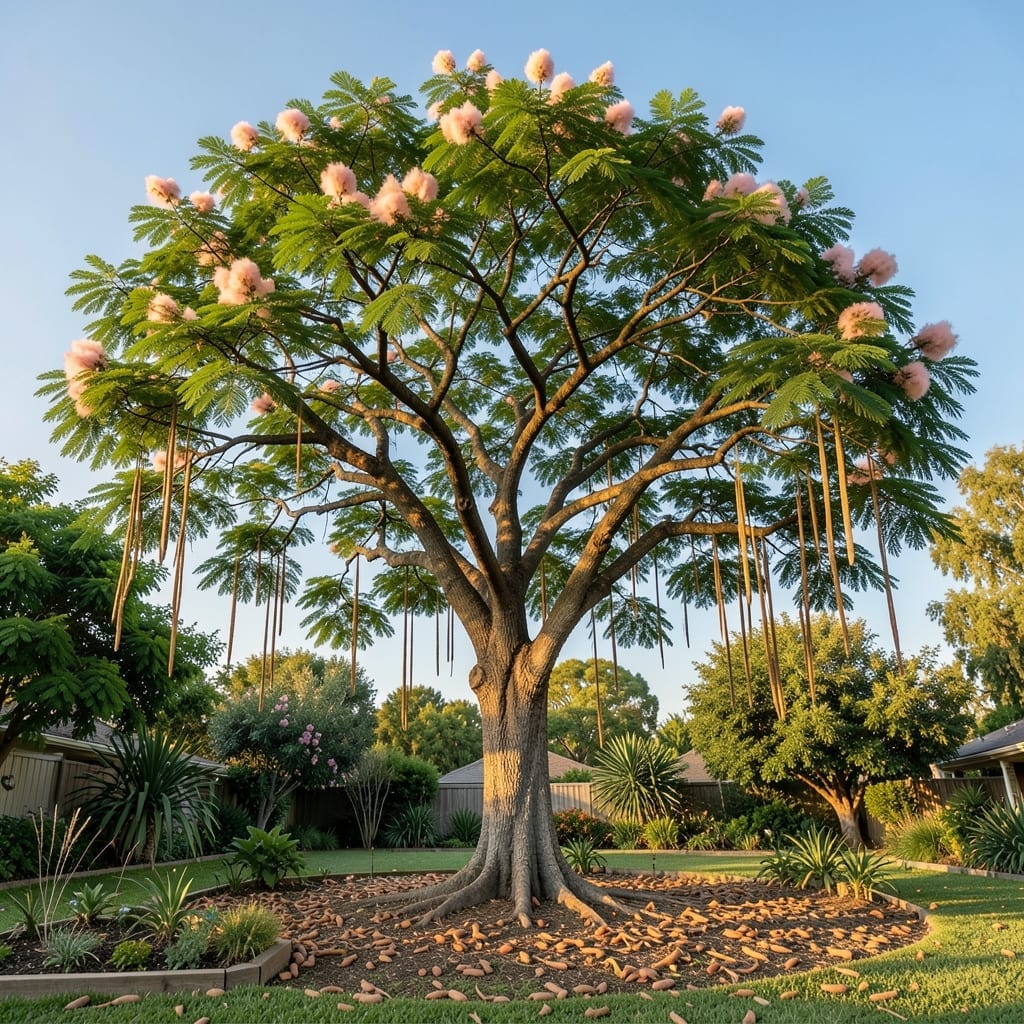
Don’t be fooled by its tropical charm—the Mimosa Tree hides a tenacious nature behind its delicate fern-like leaves and fluffy pink blooms. This fast grower can reach 20-40 feet, creating a stunning but problematic canopy in your yard.
Its aggressive roots and prolific seed pods allow it to spread rapidly, often outcompeting native plants. Despite its beauty, it’s classified as invasive in many areas, including parts of the southeastern U.S., where it disrupts local ecosystems.
If you spot one, admire it from afar but consider removal to protect your garden’s balance. 🌿
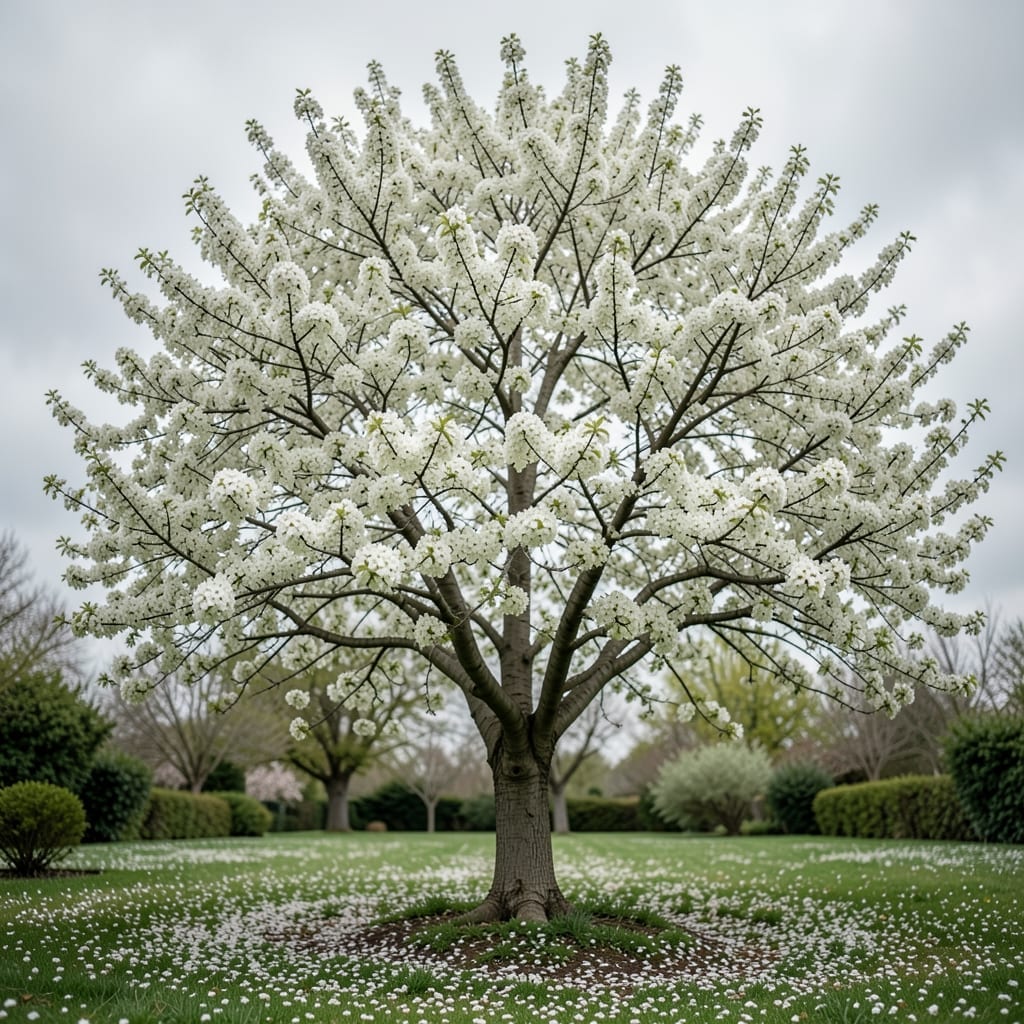
That picture-perfect Bradford Pear with its cloud of white spring blooms might be hiding a dark side. Its symmetrical shape makes it a landscaping favorite, but its weak wood splits easily in storms, creating hazards in your yard.
Even worse, its small, inedible fruits spread prolifically, producing invasive offspring that crowd out native plants. What starts as a single ornamental tree can quickly turn into a grove of wild, thorny pests in natural areas.
While beautiful in bloom, this tree’s ecological downsides often outweigh its ornamental value for eco-conscious gardeners. 🌱
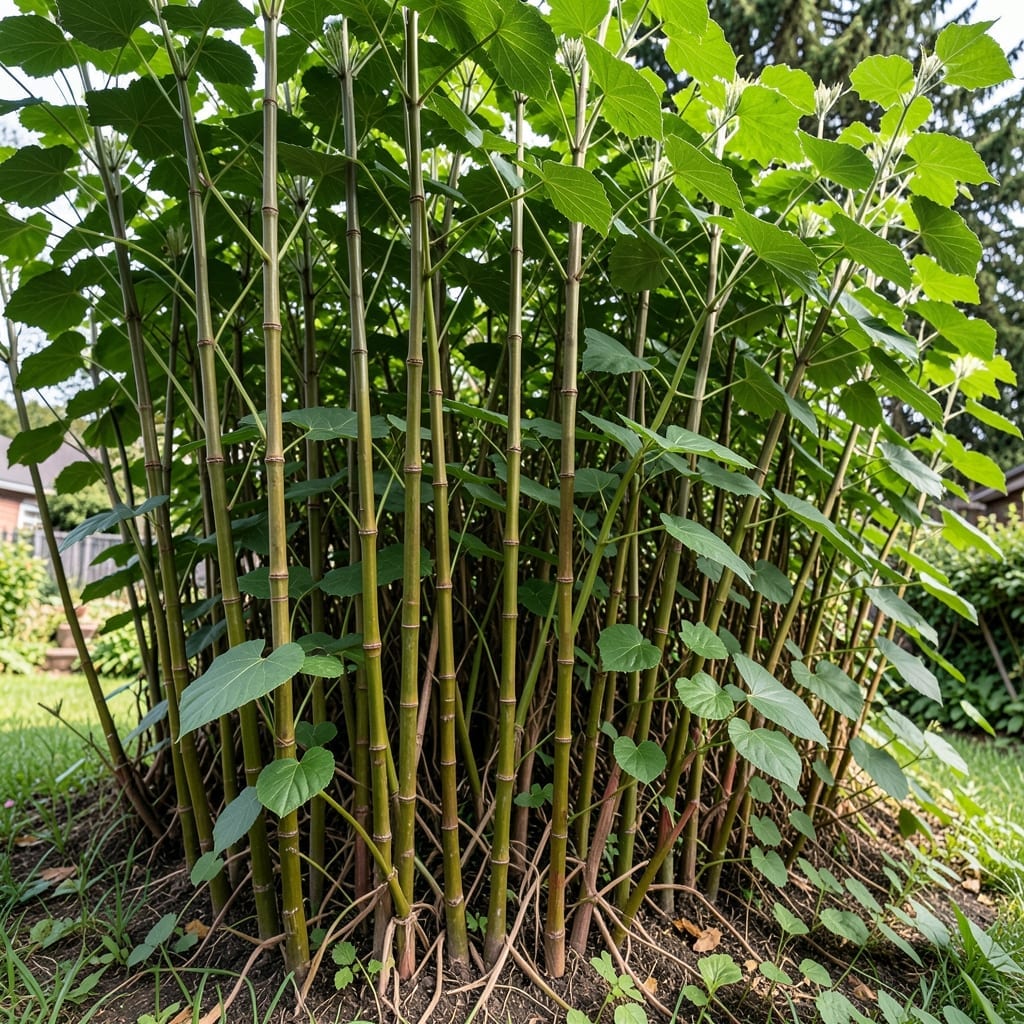
Towering Japanese Knotweed often tricks gardeners with its bamboo-like stems that can soar up to 10 feet tall. Its rapid growth and heart-shaped leaves create a convincing tree-like facade, but this deceptive plant is far from harmless.
It forms impenetrable thickets that choke out native plants, altering entire ecosystems. The hollow stems and zigzag growth pattern are telltale signs, and it spreads aggressively through underground rhizomes, making it notoriously difficult to control.
If you spot this invader, act quickly—early intervention prevents the ecological damage it causes in gardens and natural areas. 🌿
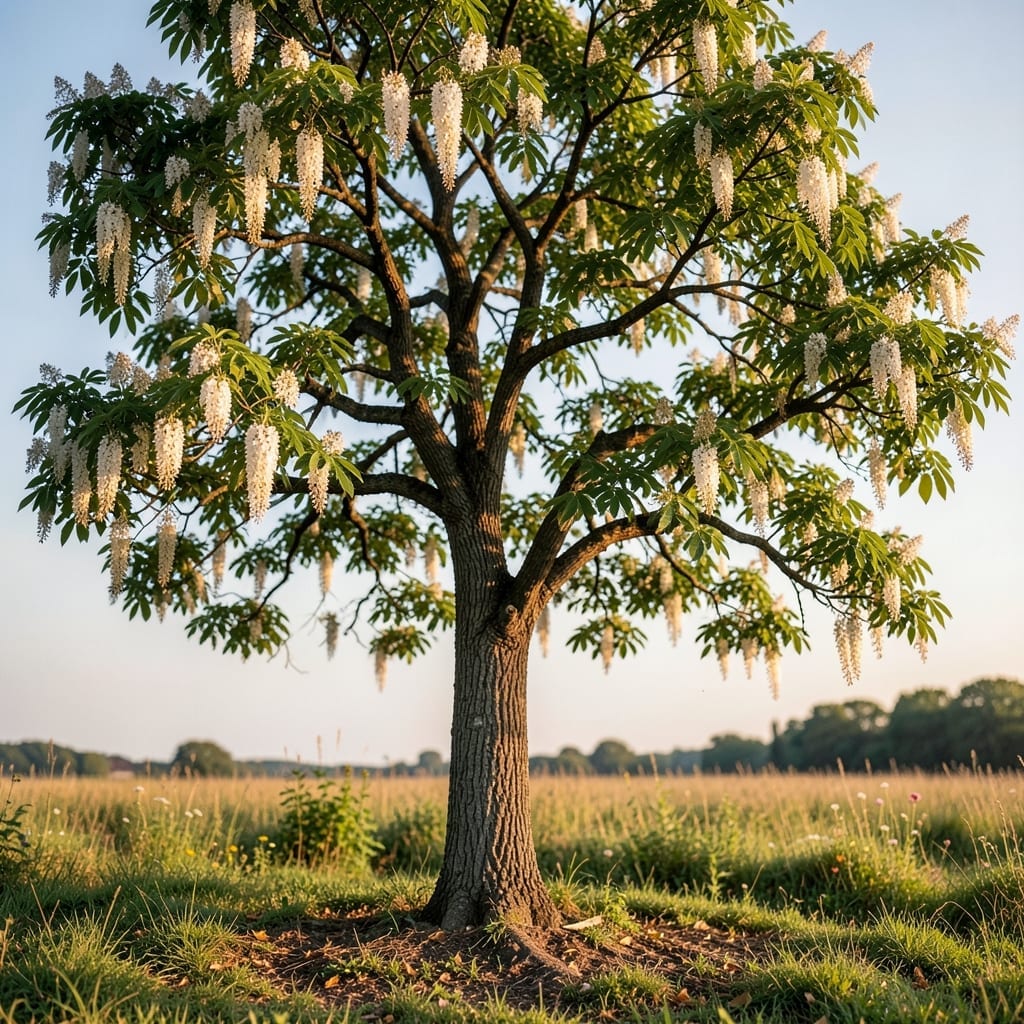
With its fragrant white flower clusters and compound leaves, the Black Locust might seem like a charming addition to your landscape. But don’t be fooled—this hardy tree has a weedy reputation for a reason.
It spreads aggressively into pastures and open fields, outcompeting native plants and forming dense thickets. Its ability to thrive in poor soils and fix nitrogen gives it an edge, but this same resilience makes it a nuisance for ranchers and gardeners alike.
If you spot this tree in rural areas, consider removal to prevent its invasive spread and protect local ecosystems. 🌱
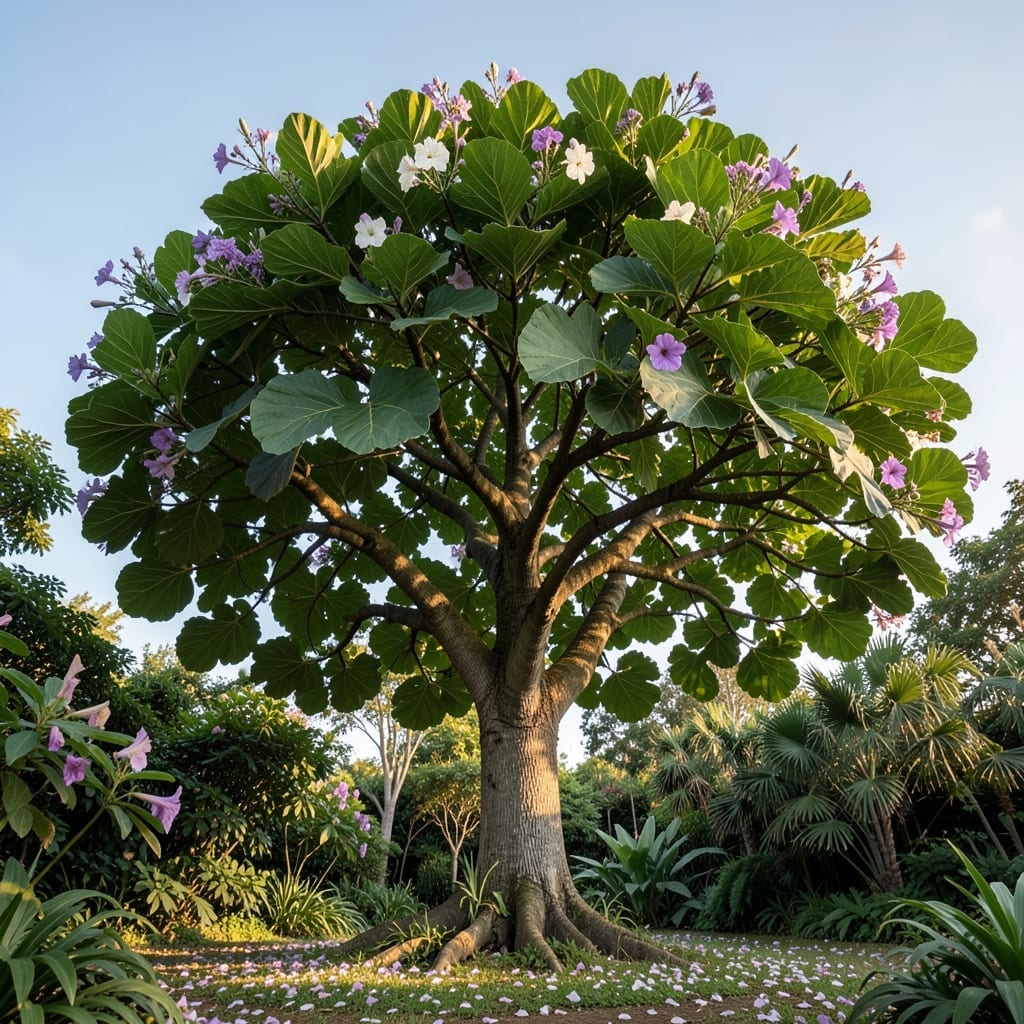
With its tropical-looking leaves and showy spring flowers, the Princess Tree may seem like a stunning garden addition at first glance. This fast grower can reach impressive heights, creating a lush canopy with its large, heart-shaped foliage.
However, its beauty hides an aggressive nature. It readily escapes cultivation, spreading into forests where it outcompetes native species. The tree produces thousands of seeds that sprout easily, making it a persistent invader in natural areas.
If you see this plant in wooded areas, consider removal to protect local ecosystems and biodiversity. 🌿
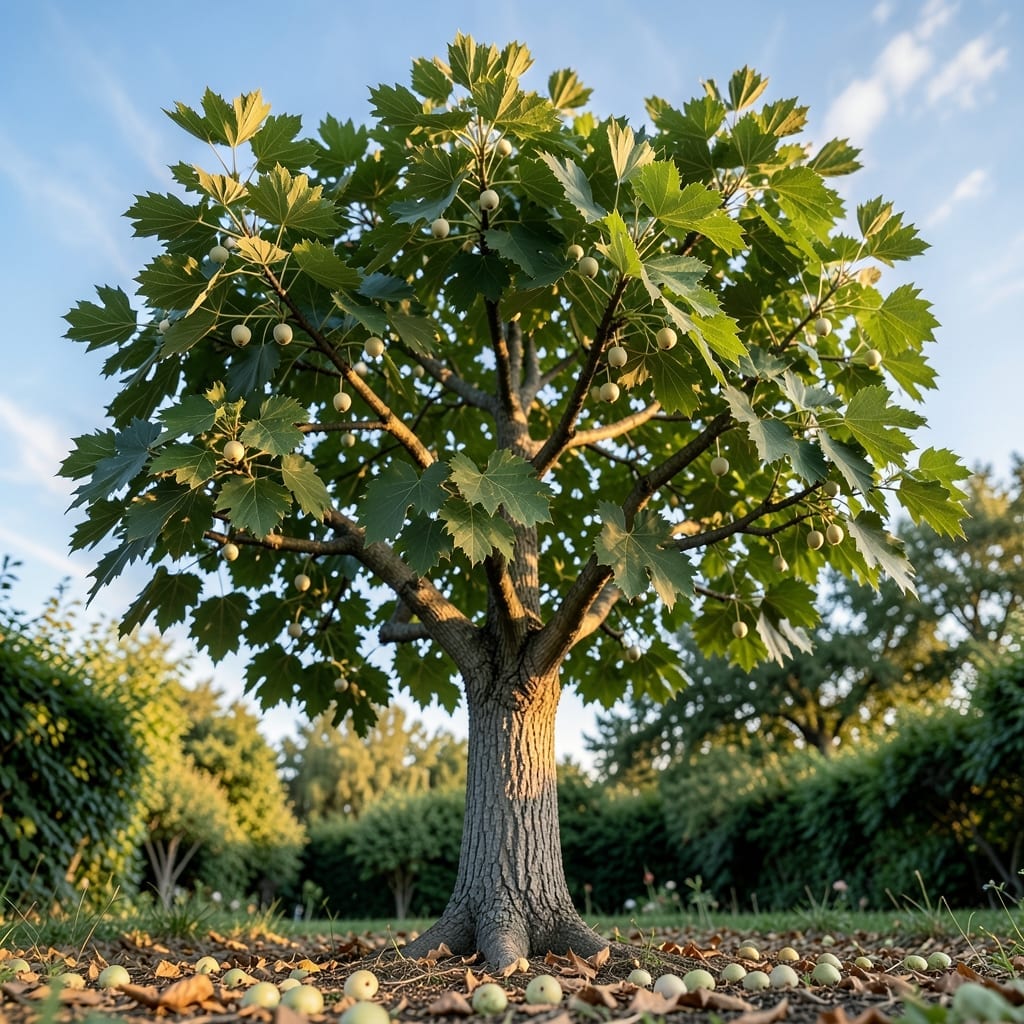
At first glance, the White Mulberry looks like a harmless native with its lobed leaves and small, white fruits. But this deciduous tree is a master of deception, often blending in with native mulberry species until it takes over your landscape.
Its aggressive spreading habit comes from both seed dispersal by birds and root suckers that sprout new trees. Found in disturbed areas, fence rows, and forest edges, it quickly forms dense thickets that displace native plants and alter natural habitats.
Gardeners in the eastern U.S. should be especially vigilant, as this invasive can rapidly transform a balanced ecosystem into a mulberry monoculture. 🌱
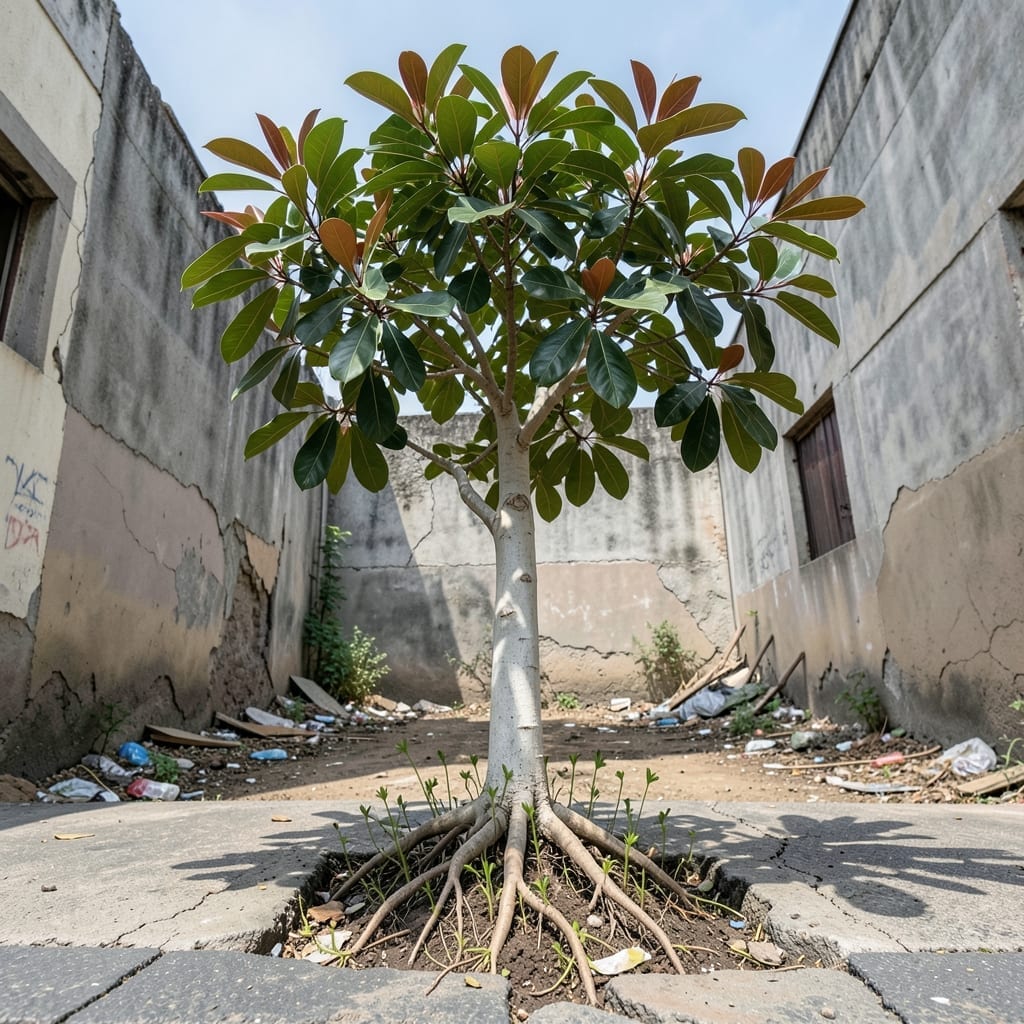
You might know it as Tree of Heaven, but Ailanthus Altissima is far from heavenly in your garden. This adaptable plant thrives where others fail—cracked sidewalks, polluted soils, and urban wastelands are all fair game.
Its superpower? The ability to sprout aggressively from root suckers, making it nearly impossible to eradicate once established. Even cut stumps can send up new shoots, and its seeds spread far and wide, creating persistent colonies in the toughest conditions.
Urban gardeners and land managers often battle this resilient invader, which outcompetes native plants and alters ecosystems. Stay vigilant to keep it from taking root in your space. 🌿