
Beautiful Plants For Your Interior
Beautiful Plants For Your Interior
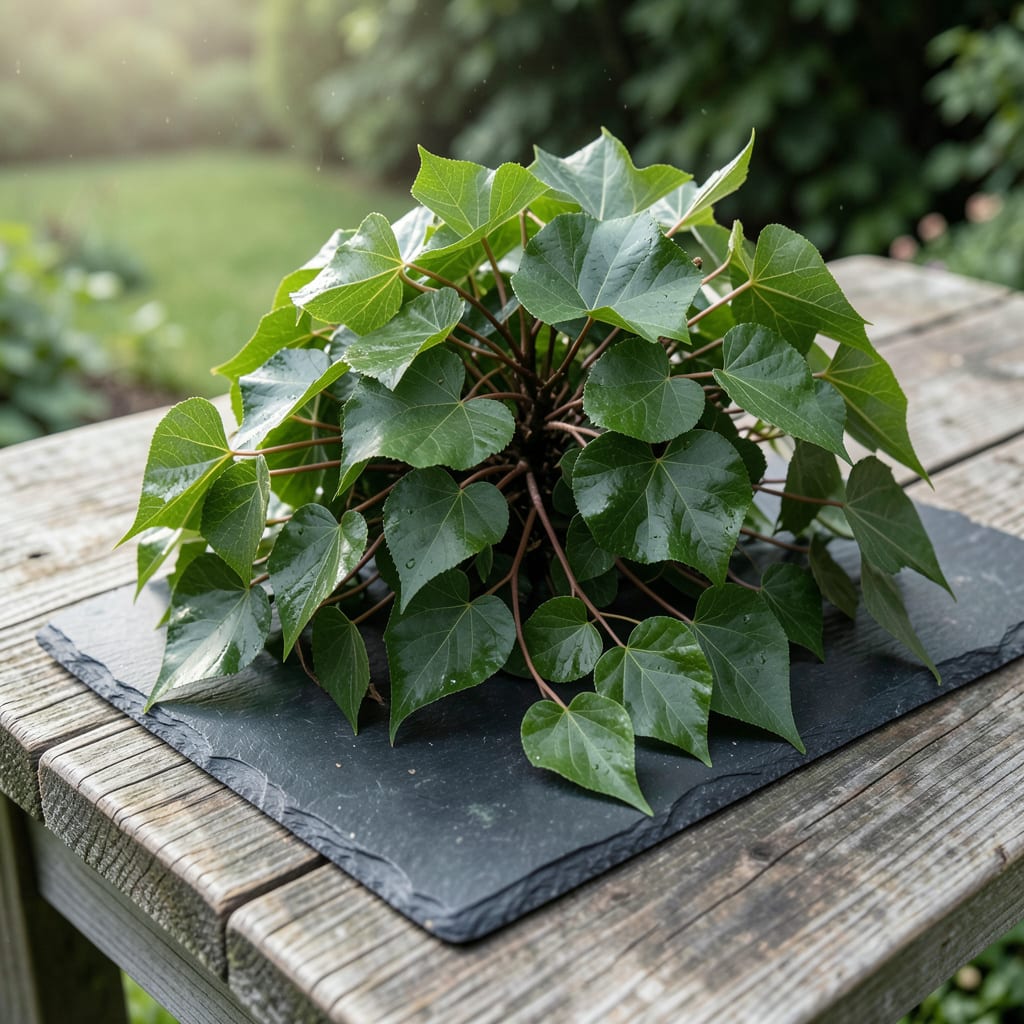
Spotted a tree with three leaflets and panicked? I’ve been there. 🌱 Many harmless trees mimic poison ivy’s signature trio, but there are clear differences if you know where to look.
Boxelder, Virginia creeper, and even some sumac varieties often get mistaken for the real danger. The key is in the details: leaf shape, stem attachment, and growth pattern separate the safe from the itchy.
I’ve spent years studying these lookalikes in my own garden and local parks. What you’ll learn here is how to tell them apart with confidence, even from a distance.
No more second-guessing every three-leaf cluster. This guide helps you identify safely and accurately, so you can enjoy your garden without the worry.
Nature loves to play tricks, and sometimes trees can mimic the infamous three-leaflet pattern of poison ivy. This visual similarity isn’t random—it’s often rooted in evolutionary and ecological strategies. Below are the key reasons why some trees end up looking like they’re straight out of a poison ivy lineup.
Some trees, like the boxelder (Acer negundo) or Virginia creeper (Parthenocissus quinquefolia) in its juvenile form, have developed leaf structures that resemble poison ivy. This Batesian mimicry—where harmless species evolve to look like harmful ones—can deter herbivores. If a deer or insect associates the three-leaflet shape with poison ivy’s irritating urushiol oil, it might steer clear, giving the tree a survival advantage.
Poison ivy thrives in wooded areas, fence rows, and disturbed soils—the same environments where certain trees (e.g., young sumac or hickory) grow. Over time, these trees may develop similar leaf shapes to optimize sunlight capture or reduce water loss in shared ecological niches. The three-leaflet design is efficient for photosynthesis in partially shaded, competitive spaces.
In some cases, it’s pure coincidence. Trees like the ashleaf maple (a cultivar of Acer negundo) naturally produce compound leaves with three leaflets, which, at a glance, mirror poison ivy’s arrangement. This isn’t mimicry but rather a genetic trait that happens to overlap visually. Gardeners should note that these leaflets are opposite on the stem (poison ivy’s are alternate), a key ID clue.
Always inspect the stem, leaf arrangement, and presence of urushiol (poison ivy’s oil) to confirm the real culprit. When in doubt, don’t touch—and grab a field guide!
Spotting a tree that resembles poison ivy leaves can be startling, but there are clear ways to confirm its identity and address any concerns. Below are practical solutions for common scenarios, along with prevention tips to avoid future mix-ups.
Fix: Closely examine the plant’s structure. Poison ivy grows as a vine or shrub with three leaflets per stem, while trees (like boxelder or Virginia creeper) have compound leaves with more than three leaflets. Use a plant ID app (e.g., iNaturalist or PictureThis) to snap a photo and verify.
Prevention: Familiarize yourself with local tree species that mimic poison ivy. Bookmark a visual comparison chart for quick reference during garden walks. 💡
Fix: If the tree is harmless but growing near poison ivy, wear gloves and long sleeves to safely remove the ivy. Pull it from the roots or use a targeted herbicide (like glyphosate) on the ivy only. Avoid burning it—smoke can spread urushiol oils.
Prevention: Regularly inspect your yard for poison ivy and remove it early. Apply a thick layer of mulch to suppress its growth. ✨
Fix: If you’ve touched the plant and develop a rash, wash the area immediately with soap and cool water. Apply calamine lotion or hydrocortisone cream to ease itching. For severe reactions, see a doctor.
Prevention: Always wear protective clothing when gardening. Keep a bottle of poison ivy cleanser (like Tecnu) in your shed for emergencies. 🎯
Fix: Replace look-alike trees with non-toxic, easy-to-identify options like Japanese maple or dogwood. These add beauty without the confusion.
Prevention: Research plants before adding them to your landscape. Opt for varieties with distinct leaf shapes (e.g., lobed or needle-like) to avoid future doubts.
No, several trees mimic poison ivy. Virginia creeper and young sumac also have three leaflets. Check for alternate vs. opposite leaf arrangements to tell them apart.
Never touch it! Use a stick to gently move leaves and inspect the stem. Poison ivy has alternate leaflets and hairy vines, while trees have woody stems.
Wash immediately with soap and cool water. Apply calamine lotion for itching. Seek medical help for severe rashes.
Most are harmless, but some like Virginia creeper may cause mild irritation. Always wear gloves when handling unfamiliar plants.
