
Beautiful Plants For Your Interior
Beautiful Plants For Your Interior
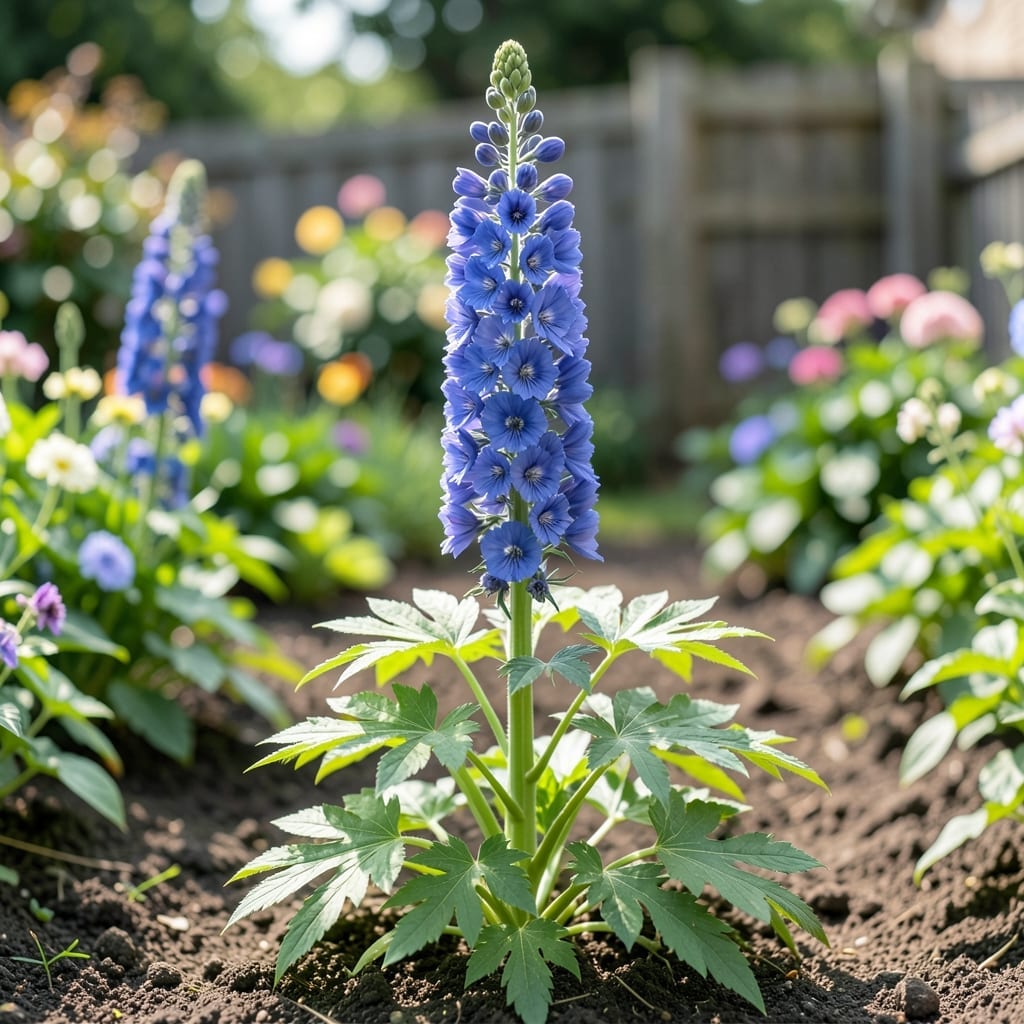
Spotted yellow leaves on your delphiniums last week? I’ve been there—watching healthy green foliage turn troubled overnight. These plants speak through their leaves, and I’m sharing how to read the signs.
The difference between thriving and struggling often comes down to 3 key visual cues: color, texture, and pattern. Healthy leaves are deep green and firm, while problems show up as spots, curling, or a dusty coating.
Once you know what to look for, diagnosing becomes simple. Brown edges often mean water stress, while powdery mildew leaves a white film. The fix is usually a small adjustment to care or environment.
This guide helps you match symptoms to solutions quickly—no guesswork, just clear answers for bringing your delphiniums back to life.
Delphinium leaves can show distress for several specific reasons. Below are the most common causes, explained with actionable insights.
High humidity and poor air circulation create ideal conditions for powdery mildew or leaf spot. These fungi thrive in damp environments, causing white coatings, yellowing, or dark lesions on leaves. To prevent this, space plants properly and water at the base to keep foliage dry.
Extreme temperatures or sudden weather shifts can stress delphiniums. Heat scorch may turn leaf edges brown, while cold snaps can cause wilting or blackening. Mulching helps regulate soil temperature, and providing afternoon shade in hot climates reduces thermal stress.
Yellowing between leaf veins often signals iron or magnesium deficiency. Delphiniums need well-draining, fertile soil. A soil test can pinpoint shortages—amend with compost or use a balanced fertilizer to restore nutrient levels.
Aphids, slugs, and caterpillars target delphinium leaves, leaving holes, chewed edges, or sticky residue. Regular inspection and organic controls like neem oil or hand-picking pests can keep infestations in check.
If your delphinium leaves look less than perfect, don’t worry—most problems are fixable with a little care. Below are targeted solutions for common issues, along with tips to keep your plants thriving.
Yellow leaves often signal overwatering or poor drainage. Move your delphinium to a pot with drainage holes or amend garden soil with compost to improve aeration. Water only when the top inch of soil feels dry. Prevention tip: 💡 Use raised beds if your soil is heavy clay.
Slugs and snails love delphinium foliage. Handpick pests at dusk or set up beer traps. For caterpillars, inspect leaves daily and remove them by hand. Apply organic neem oil as a deterrent. Prevention tip: 🌿 Encourage natural predators like birds with a birdbath.
Brown or black spots usually mean fungal disease. Remove affected leaves immediately and avoid overhead watering. Apply a copper-based fungicide and space plants for better airflow. Prevention tip: ✨ Water in the morning so leaves dry quickly.
Wilting can result from underwatering or too much sun. Delphiniums prefer full sun but need consistent moisture. Mulch around the base to retain moisture and shade plants during peak afternoon heat if needed. Prevention tip: 🌡️ Check soil moisture weekly during dry spells.
A white, powdery coating on leaves is a classic sign of mildew. Prune crowded stems to improve airflow and spray with a baking soda solution (1 tsp baking soda + 1 quart water + a few drops of dish soap). Prevention tip: 🎯 Plant delphiniums where they get morning sun and afternoon shade.
Healthy leaves are deep green, firm, and free of spots or holes. They should feel smooth with no sticky residue or powdery coating. Any deviation from this often signals a care or environmental issue.
That’s likely powdery mildew, a fungal disease. It thrives in humid conditions with poor air circulation. Treat with a baking soda solution and improve airflow around plants.
Holes are usually caused by pests like slugs, snails, or caterpillars. Inspect leaves at dusk and remove pests by hand. Neem oil can also help deter them.
Brown edges often indicate water stress or heat scorch. Adjust your watering schedule and provide afternoon shade in hot climates. Prune damaged leaves to encourage new growth.