
Beautiful Plants For Your Interior
Beautiful Plants For Your Interior
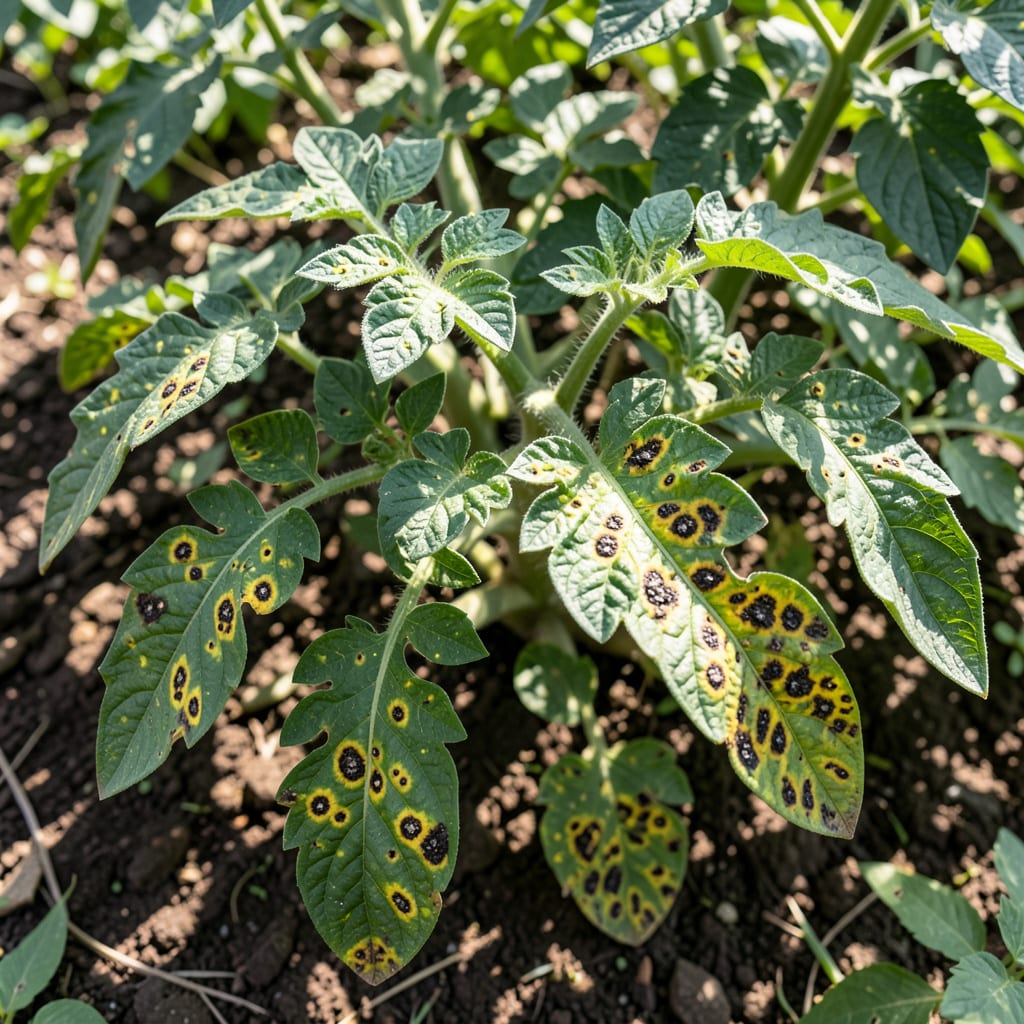
Those yellow and black spots on your tomato leaves aren’t just ugly—they’re a warning sign. I’ve seen entire crops wiped out by ignoring these early symptoms, but the good news is most causes are fixable with simple organic solutions.
Whether it’s fungal invaders like early blight or environmental stress from inconsistent watering, the key is acting fast. Left unchecked, these spots spread to stems and fruit, turning what should be a bountiful harvest into a disappointing loss.
With the right approach, you can stop the damage and even prevent it from coming back next season. The fixes often involve just a few household items and a little extra attention to your plants’ needs.
No need for harsh chemicals—nature provides everything required to nurse your tomatoes back to vibrant health. Here’s what works.
Those alarming yellow and black spots on tomato leaves usually signal an underlying issue. Here are the most common causes, explained simply:
Early blight (Alternaria solani) and septoria leaf spot (Septoria lycopersici) are frequent culprits. These fungi thrive in warm, wet conditions, producing concentric rings or dark spots with yellow halos. Spores spread via water splashing from soil to leaves, especially in crowded plantings with poor airflow.
Bacterial leaf spot (Xanthomonas spp.) causes small, water-soaked spots that turn yellow then black and crispy. It spreads through contaminated tools, water, or infected seeds. High humidity and overhead watering accelerate its growth.
Spider mites and aphids suck plant sap, causing stippling, yellowing, and eventually necrotic (black) spots. Their feeding weakens the plant and can introduce secondary infections. Check leaf undersides for webbing or tiny insects.
A lack of magnesium or potassium can cause interveinal yellowing with black speckling. Magnesium deficiency often appears first on older leaves, while potassium issues may show as scorched edges. Over-fertilization (especially with nitrogen) can also trigger imbalances.
Extreme heat, cold snaps, or inconsistent watering can stress tomatoes, leading to leaf discoloration. Sun scald (from sudden exposure to intense light) may create bleached or blackened patches. Poor drainage or waterlogged soil can also suffocate roots, manifesting as leaf spots.
Tackle those unsightly yellow and black spots on your tomato leaves with these targeted solutions. Here’s how to address each common cause and prevent future outbreaks.
Fix: Remove and destroy infected leaves immediately to stop the spread. Apply a copper-based fungicide or a homemade mix of 1 tsp baking soda + 1 quart water + a few drops of dish soap. Spray every 7–10 days, especially after rain.
Prevent: 💡 Improve airflow by pruning lower leaves and spacing plants 18–24 inches apart. Water at the base (not overhead) and use mulch to reduce soil splash.
Fix: Blast pests off with a strong stream of water or spray with neem oil or insecticidal soap. For severe infestations, introduce beneficial insects like ladybugs.
Prevent: 🎯 Inspect plants weekly and set up yellow sticky traps. Companion plant with basil or marigolds to deter pests naturally.
Fix: Adjust watering—keep soil consistently moist but not soggy. If heat is the culprit, provide afternoon shade with shade cloth or plant in a cooler spot.
Prevent: ✨ Use drip irrigation for consistent moisture. Mulch with straw to retain soil temperature and hydration.
Fix: For yellowing between leaf veins (magnesium deficiency), apply Epsom salt (1 tbsp per gallon of water) as a foliar spray. For black spots (potassium deficiency), add compost or a potassium-rich fertilizer like greensand.
Prevent: 🌱 Test soil annually and amend with organic matter before planting. Rotate crops to avoid depleting nutrients.
Yes, if left untreated, fungal and bacterial spots can spread to stems and tomatoes. Remove affected leaves immediately and treat the plant to prevent further damage.
Check leaf undersides for tiny insects or webbing (pests) or look for concentric rings (fungus). A magnifying glass helps spot mites or aphids early.
No, damaged leaves won’t heal, but the plant can grow new healthy ones. Focus on treating the cause and preventing further spread.
Yes, as long as the fruit itself shows no spots or rot. Wash tomatoes thoroughly before eating to remove any residual spores or pests.
