
Beautiful Plants For Your Interior
Beautiful Plants For Your Interior
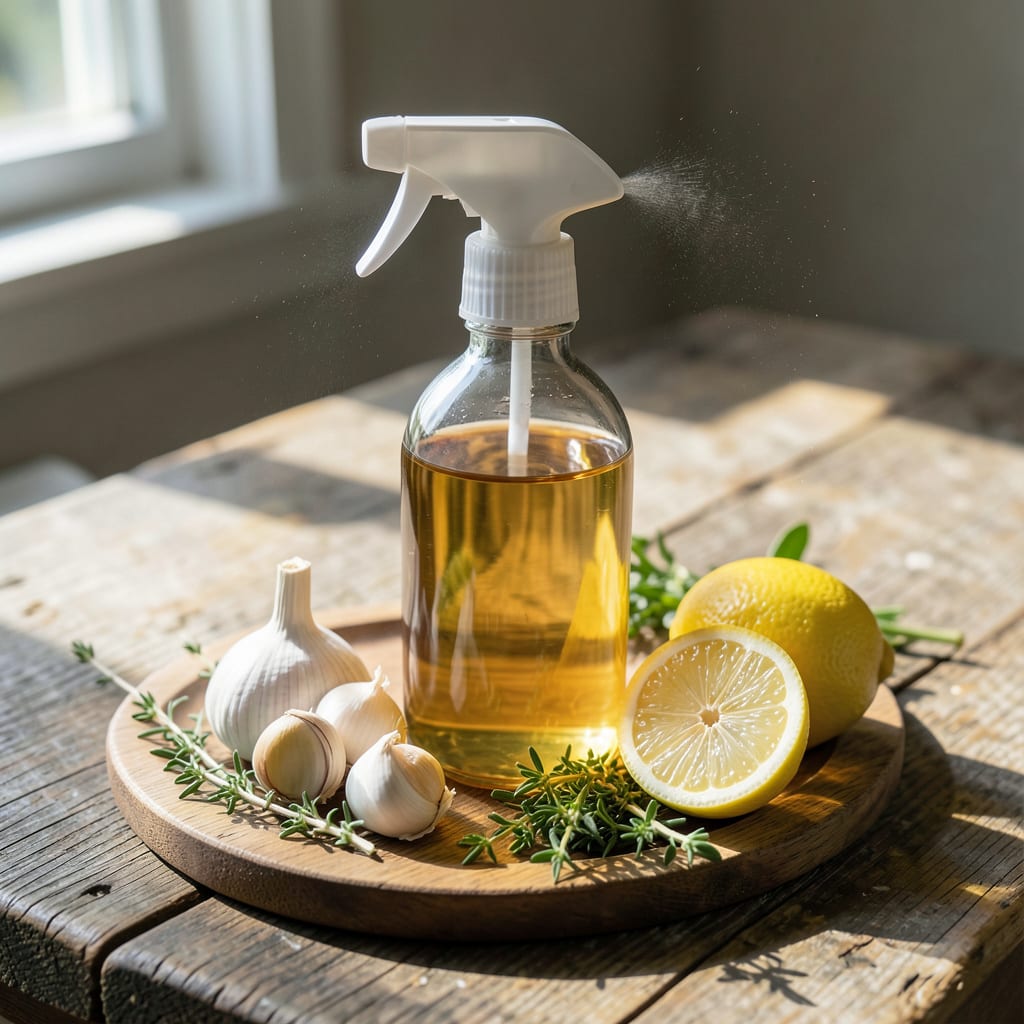
White powdery spots on your leaves mean trouble. I’ve battled mildew for years, and the right organic fungicide can save your plants without harsh chemicals.
Most gardeners grab the first spray they see, but matching the treatment to the mildew type is key. Neem oil and baking soda solutions work wonders if applied early and often.
Within a week, you’ll see the white patches fade and new growth emerge clean. The trick is consistency—treat every 5-7 days until the problem vanishes.
Prevention is simpler than cure. Good airflow, proper spacing, and morning watering stop mildew before it starts.
Mildew on plants isn’t just an eyesore—it’s a sign of underlying conditions that fungi exploit. Understanding why it happens helps you prevent outbreaks before they start. Here are the most common causes, explained with actionable insights:
Powdery and downy mildew thrive in stagnant, humid environments. When moisture lingers on leaves (especially overnight) and air can’t circulate, fungal spores germinate rapidly. Rhizopus and Erysiphe species, for example, require relative humidity above 90% for just 2–4 hours to infect tissue. Crowded plantings or dense canopies trap moisture—prune for airflow and water at the base to keep foliage dry.
Wet leaves are a fungal welcome mat. Overhead irrigation, especially in the evening, gives pathogens like Pseudoperonospora (downy mildew) the perfect window to penetrate cells. Switch to drip irrigation or water early in the day so surfaces dry quickly. If overhead watering is unavoidable, use a fan to improve evaporation.
Plants with excess nitrogen (from over-fertilizing) produce soft, succulent growth that’s more susceptible to mildew. Conversely, potassium or phosphorus deficiencies weaken cell walls, making plants easier targets. Test your soil and adjust fertilizers to maintain balanced nutrition—aim for a 3-1-2 NPK ratio for most ornamentals.
Some plants are genetically predisposed to mildew. Roses, cucumbers, and zinnias are notorious for powdery mildew, while grapes and lettuce often fall prey to downy mildew. Choose resistant cultivars (look for labels like “mildew-resistant” or “PM-resistant”) and rotate crops annually to disrupt fungal life cycles.
Mildew on plants can be frustrating, but the right approach can restore your garden’s health. Below are targeted solutions based on the cause, along with prevention tips to keep your plants thriving.
Mildew thrives in stagnant, humid conditions. Fix: Space plants properly to allow airflow between leaves and stems. Prune overcrowded areas to reduce moisture buildup. For indoor plants, use a small fan on low to keep air moving. Prevention: Avoid overplanting and ensure your garden or greenhouse has good ventilation.
Excess moisture is a common culprit. Fix: Water plants at the base in the morning so foliage dries quickly. Use drip irrigation or a soaker hose to avoid wetting leaves. If humidity is high, water less frequently and ensure pots have drainage holes. Prevention: Let the top inch of soil dry out before watering again, and use a moisture meter if unsure.
Mildew spores can linger in soil or on gardening tools. Fix: Remove and replace the top layer of soil if infection is severe. Sterilize tools with a 10% bleach solution or rubbing alcohol between uses. Rotate crops yearly to prevent soil-borne diseases. Prevention: Clean tools after each use and avoid reusing potting soil from infected plants.
Weak plants are more susceptible to mildew. Fix: Apply a balanced, organic fertilizer to strengthen plants. Focus on potassium and phosphorus, which improve disease resistance. Prevention: Regularly feed plants with compost or organic amendments to maintain vigor.
For existing mildew, mix 1 teaspoon of baking soda, 1 quart of water, and a few drops of dish soap. Spray affected leaves weekly until the issue clears. Neem oil is another effective organic option—apply in the evening to avoid leaf burn. Prevention: Use these sprays preventatively every 2-3 weeks during damp seasons.
Apply every 5-7 days for active infections. For prevention, use every 2-3 weeks during humid seasons. Consistency is key to breaking the fungal life cycle.
Vinegar can work but requires dilution (1 tablespoon per gallon of water). Test on a small area first as it may harm sensitive plants. Baking soda is gentler and more reliable.
Spray in the early morning or evening to avoid leaf burn. Avoid midday sun when temperatures exceed 85°F. This allows the solution to dry without stressing plants.
