
Beautiful Plants For Your Interior
Beautiful Plants For Your Interior
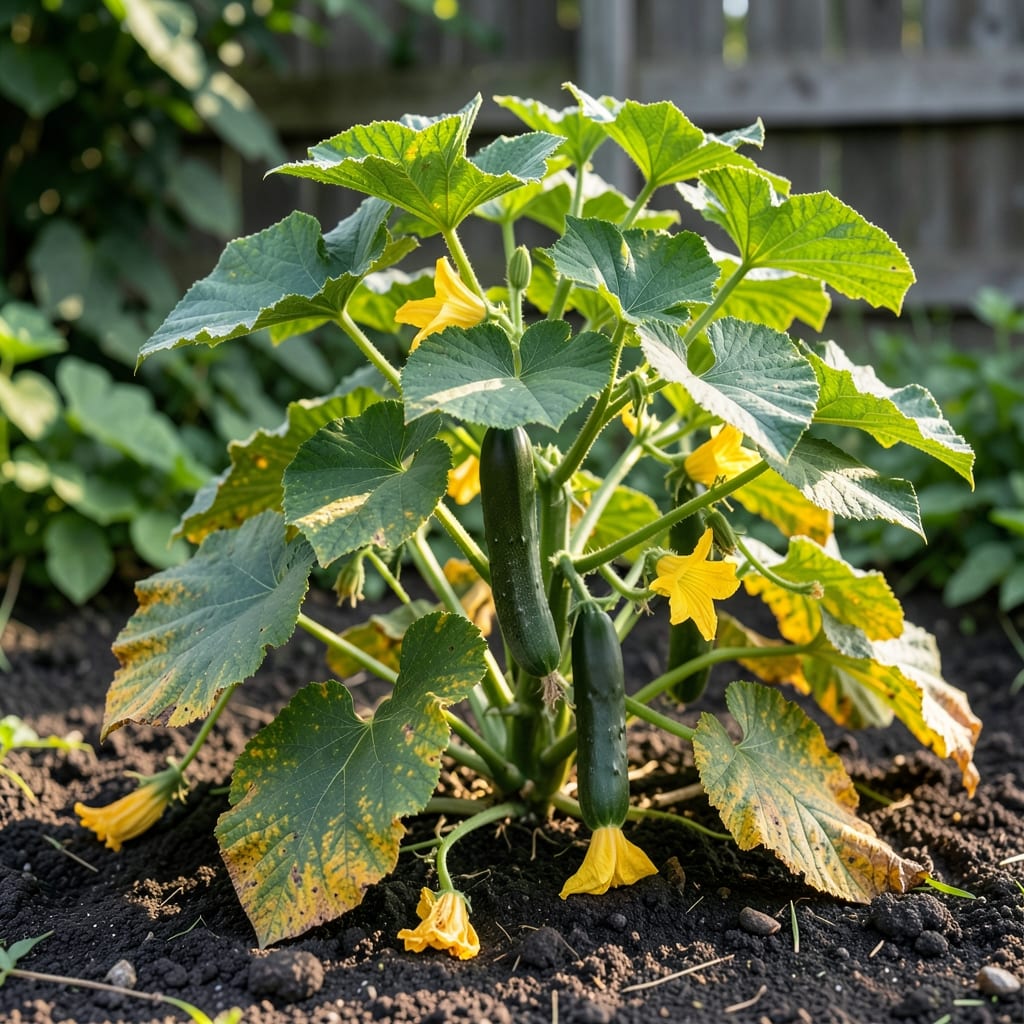
Yellow cucumber leaves don’t mean your plants are done for. I’ve saved countless vines by catching the early signs—pale edges, spotted patterns, or sudden wilting—before the problem spreads.
Most cases come down to 3 simple issues: too much water, not enough nutrients, or sneaky pests. The fix is usually faster than you think, and organic solutions work just as well as harsh chemicals.
With the right adjustments, you’ll see new green growth within a week. Your plants will bounce back stronger, and you’ll avoid the same mistake next season.
Works for container gardens, raised beds, or backyard plots. Let’s diagnose and fix this.
Yellowing leaves on cucumber plants are often a distress signal, and pinpointing the cause is the first step to revival. Below are the most common culprits, explained with actionable insights.
Cucumbers are heavy feeders, and a lack of essential nutrients can lead to chlorosis (yellowing). Nitrogen deficiency typically causes uniform yellowing of older leaves, while magnesium or potassium shortages may produce interveinal yellowing (yellow between green veins). A soil test can confirm deficiencies. Fix this by amending the soil with compost or applying a balanced organic fertilizer (e.g., 10-10-10).
Excess water suffocates roots, preventing them from absorbing oxygen and nutrients. This often leads to yellowing leaves, wilting, and root rot. Check soil moisture by sticking your finger 1-2 inches deep—if it feels soggy, hold off on watering. Ensure pots have drainage holes, and for garden beds, mix in perlite or sand to improve drainage.
Diseases like powdery mildew or bacterial wilt can turn leaves yellow. Powdery mildew appears as white powdery spots, while bacterial wilt causes sudden yellowing and vine collapse. Remove infected leaves immediately and apply neem oil or copper-based fungicides. Improve air circulation by spacing plants properly and watering at the base to keep foliage dry.
Sap-sucking pests like aphids, spider mites, or whiteflies drain plant juices, causing yellow stippling or mottling. Inspect the undersides of leaves for tiny bugs or webbing. Blast pests off with water or use insecticidal soap. Introducing beneficial insects like ladybugs can also help control infestations naturally.
Extreme heat, cold drafts, or insufficient light can stress cucumbers, leading to yellowing. Cucumbers thrive in 6-8 hours of sunlight and temperatures between 60–90°F. Use shade cloth during heatwaves or move potted plants to a sunnier spot if needed.
When cucumber leaves start turning yellow, quick action can revive your plants. Below are targeted fixes for the most common causes, paired with prevention tips to keep your garden thriving.
If the issue is a lack of nitrogen, phosphorus, or magnesium, apply a balanced organic fertilizer (like 10-10-10) or compost tea. For magnesium, sprinkle Epsom salt (1 tablespoon per gallon of water) at the base. Prevention tip: 💡 Test soil annually and amend with compost before planting.
Let the top inch of soil dry between waterings. If roots are soggy, improve drainage by mixing in perlite or sand. Use drip irrigation to avoid wetting leaves. Prevention tip: 🎯 Water deeply but less frequently—early morning is ideal.
Blast pests off with water or apply neem oil or insecticidal soap (1 tbsp soap per quart of water). Introduce beneficial insects like ladybugs. Prevention tip: ✨ Inspect leaves weekly and remove debris where pests hide.
Remove infected leaves immediately and spray with copper fungicide or a baking soda solution (1 tsp baking soda + 1 quart water + a drop of soap). Prevention tip: 🌡️ Space plants for airflow and avoid overhead watering.
If leaves scorch in intense heat, erect shade cloth (30-50% shade) during peak sun. Prevention tip: 🌿 Plant in a spot with morning sun and afternoon shade in hot climates.
Severely damaged leaves won’t recover, but new growth will be green if you fix the underlying issue. Focus on correcting watering, nutrients, or pest problems to encourage healthy new foliage.
Water when the top 1-2 inches of soil feel dry, usually every 2-3 days in hot weather. Use drip irrigation to avoid wetting leaves, which can cause fungal issues.
Apply a balanced organic fertilizer like 10-10-10 or compost tea. For magnesium, use 1 tablespoon Epsom salt per gallon of water at the base. Results appear in 1-2 weeks.
Yes! Tiny pests like spider mites or aphids can cause yellow stippling before becoming visible. Check leaf undersides weekly and treat with neem oil if signs appear.