
Beautiful Plants For Your Interior
Beautiful Plants For Your Interior
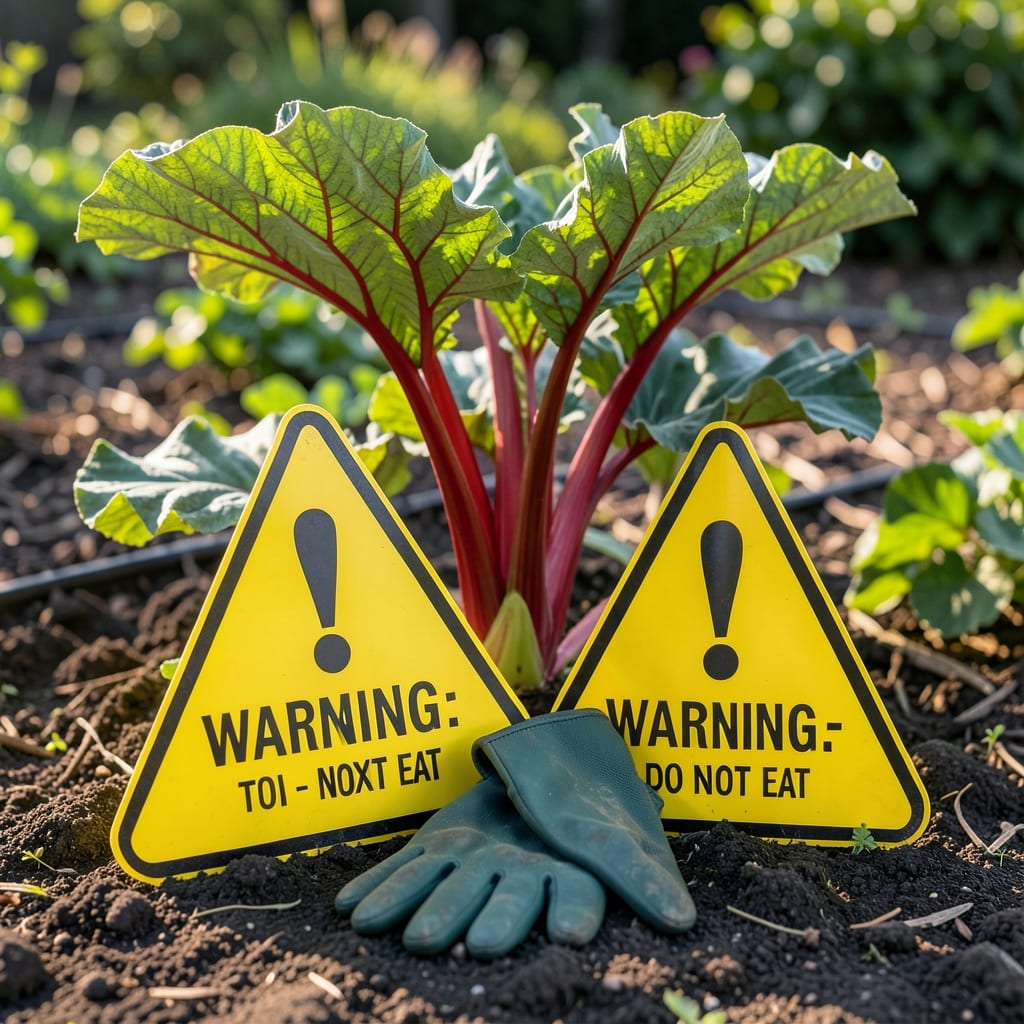
💥 Quick Answer Rhubarb leaves contain high levels of oxalic acid and anthraquinone glycosides, which are toxic to humans and animals, causing severe poisoning if ingested in large quantities. I always caution gardeners about this because the compounds interfere with…
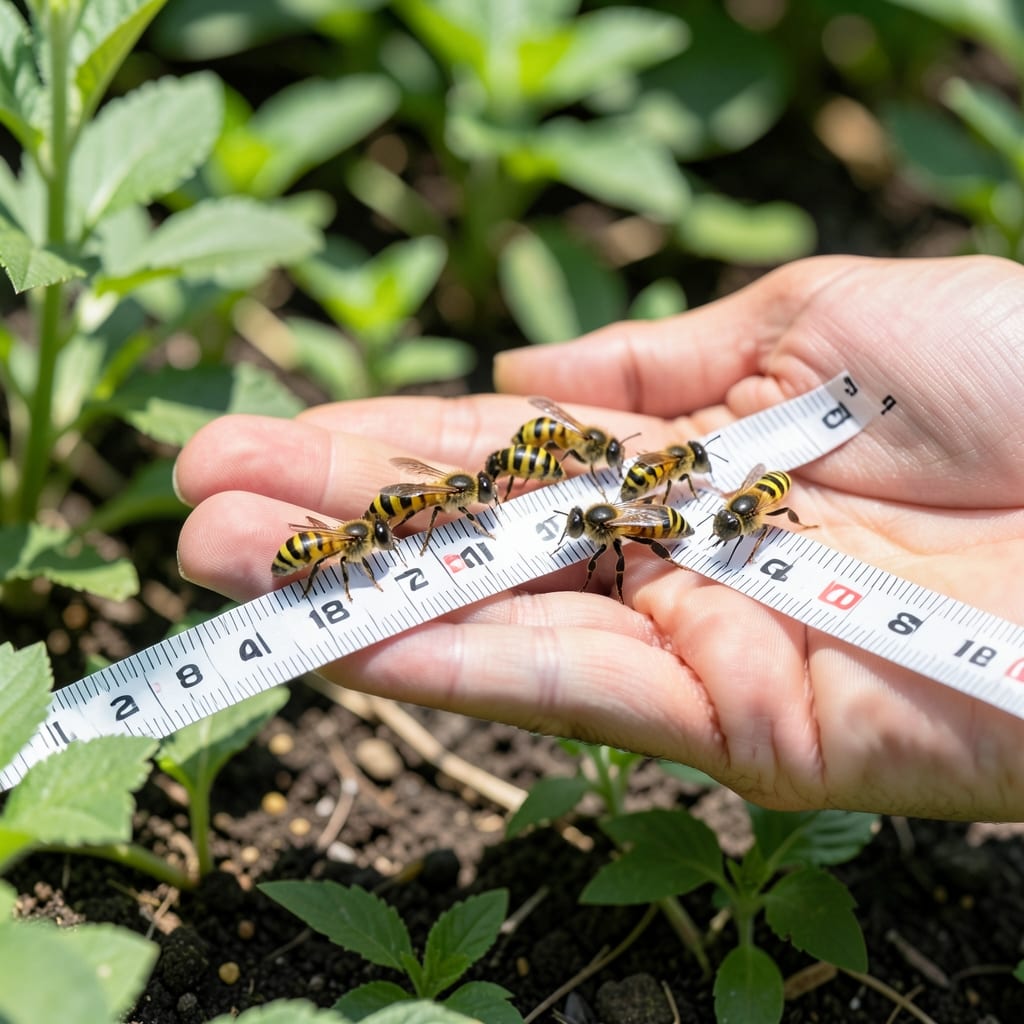
💥 Quick Answer Adult yellow jackets typically measure 3/8 to 5/8 inch long, with workers being smaller than queens, which can reach up to 3/4 inch. Their slim, segmented bodies have bright yellow and black banding. What stands out about…
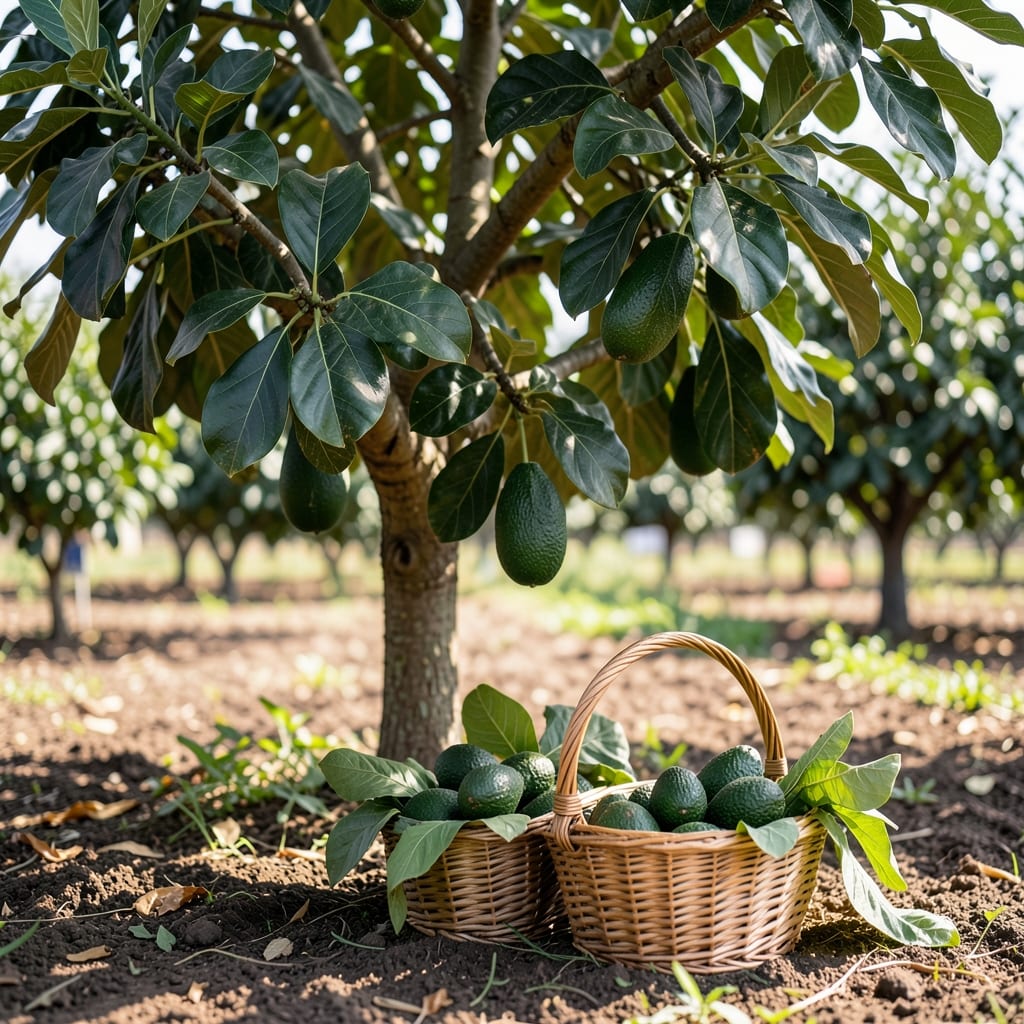
💥 Quick Answer Avocado leaves are traditionally used for their potential medicinal benefits, including anti-inflammatory and antimicrobial properties, though safety considerations vary by preparation and dosage. I’ve found these leaves contain unique compounds that may support digestive health and pain…
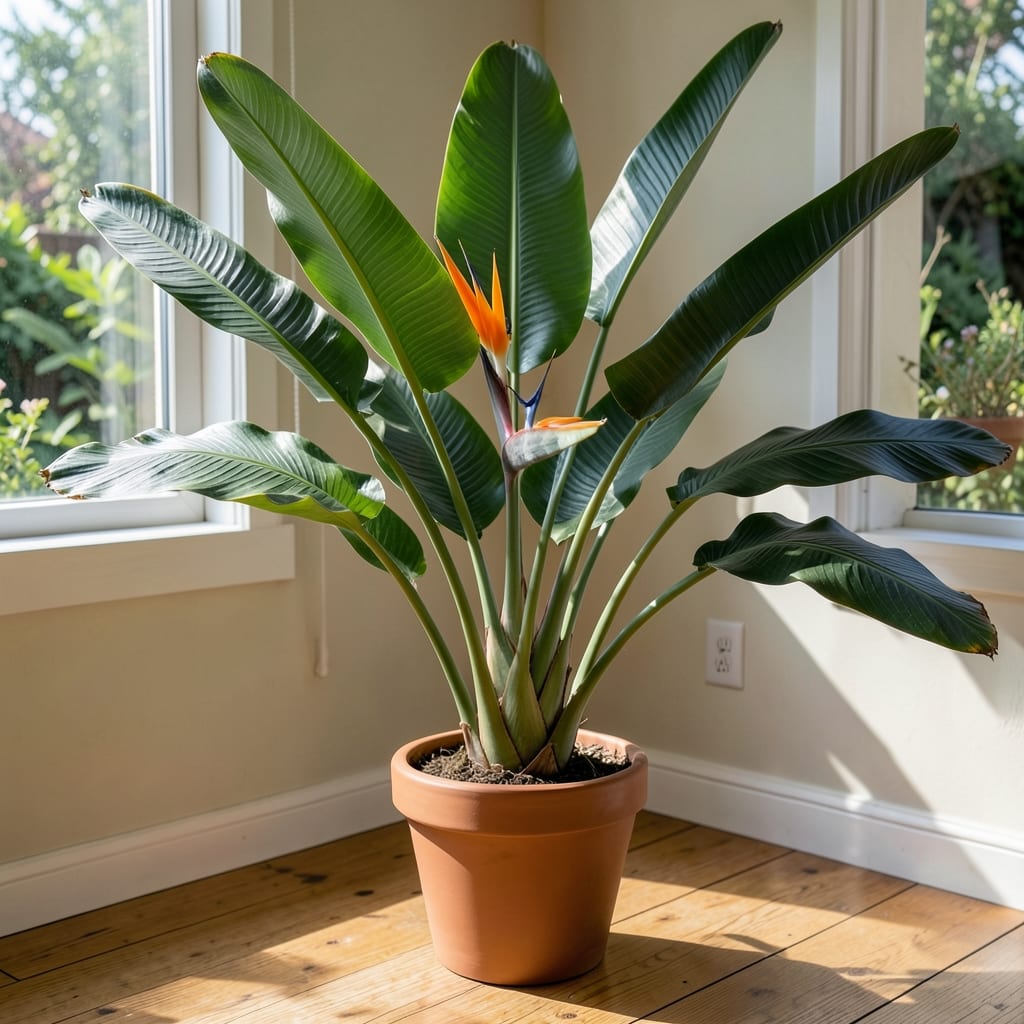
💥 Quick Answer The bird of paradise flower symbolizes joy, paradise, and magnanimity, with its vibrant colors representing tropical beauty and exotic allure in many cultures. I love how this flower’s unique shape mirrors its name, evoking images of tropical…
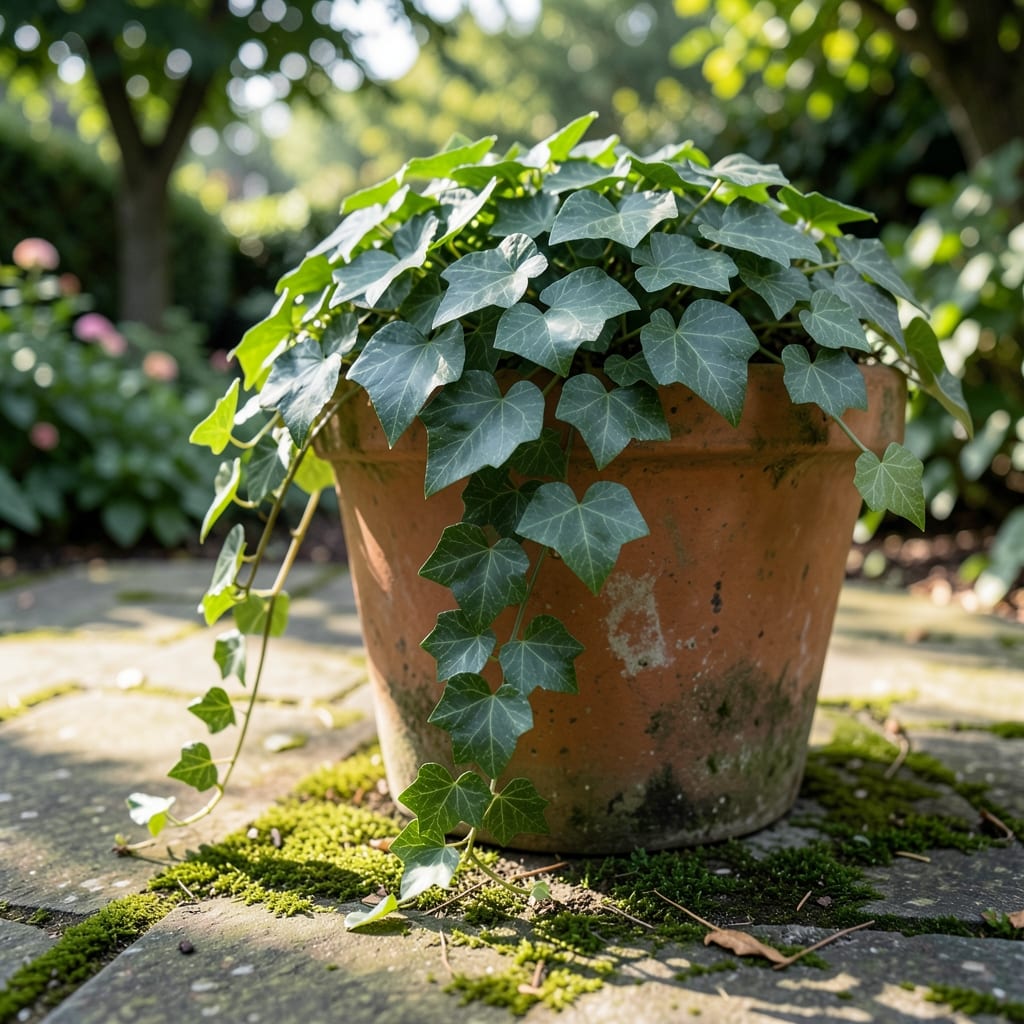
💥 Quick Answer Ivy leaves typically feature 3-5 lobes with pointed tips, smooth or slightly toothed edges, and a glossy dark green surface. Colors vary from deep green to variegated white or yellow patterns depending on the species. What I…
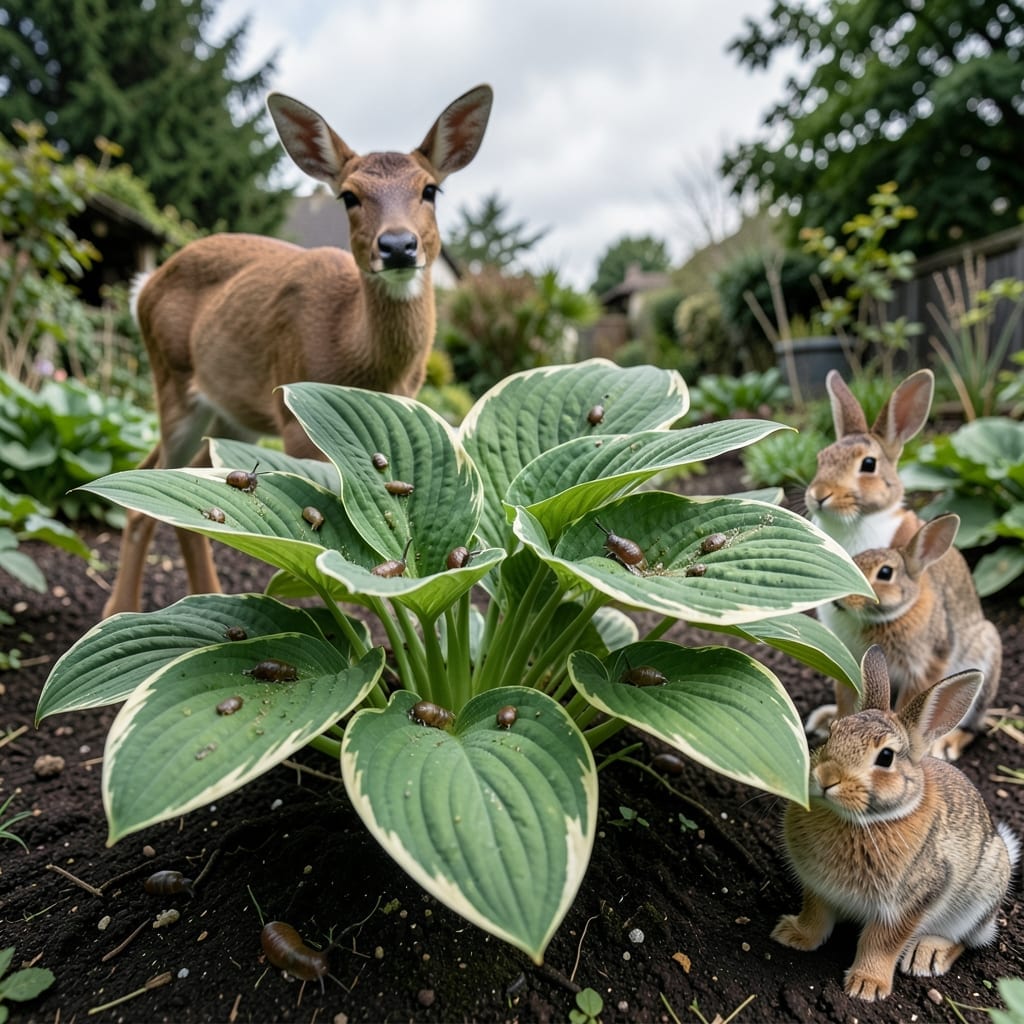
💥 Quick Answer Deer are the most common animals that eat hosta leaves, but rabbits, slugs, and snails also frequently target these plants, especially in garden settings. I’ve noticed these plants are like a buffet for wildlife because of their…
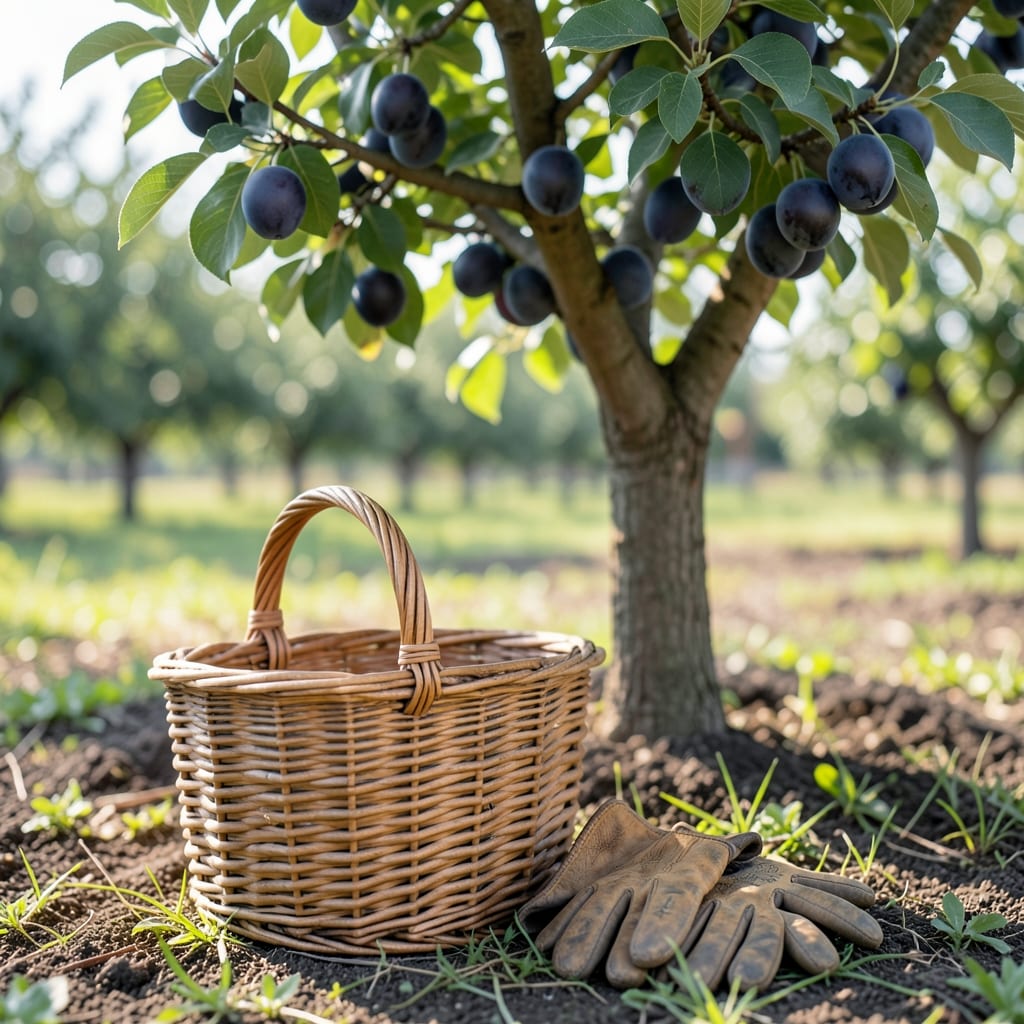
💥 Quick Answer Black color on plums often signals fungal diseases like black knot or sooty mold, but can also result from bacterial infections, environmental stress, or physical damage to the fruit. I’ve noticed these dark blemishes often start as…
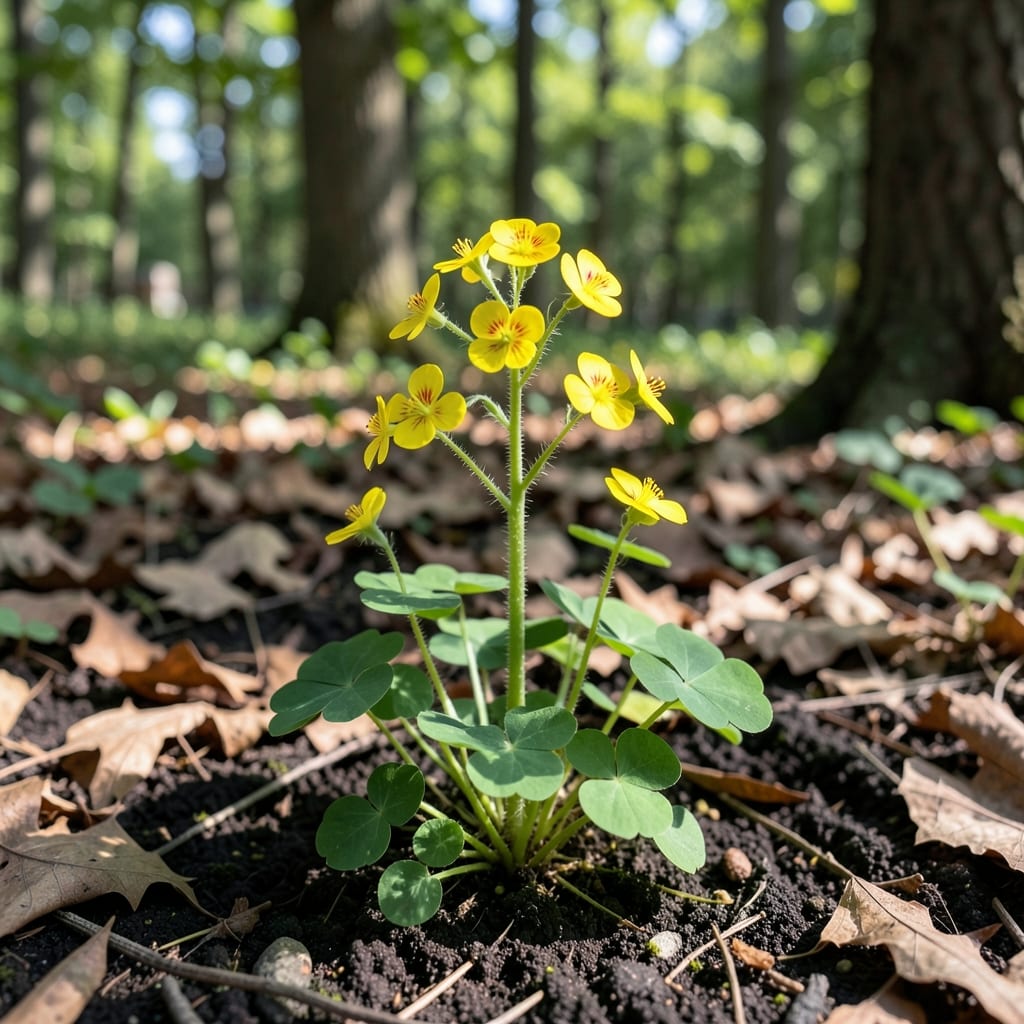
💥 Quick Answer Yes, slender yellow woodsorrel is edible in small amounts, offering a tangy, lemon-like flavor. However, it contains oxalic acid, which can be harmful in large quantities or for those with kidney issues. I’ve safely foraged this plant…
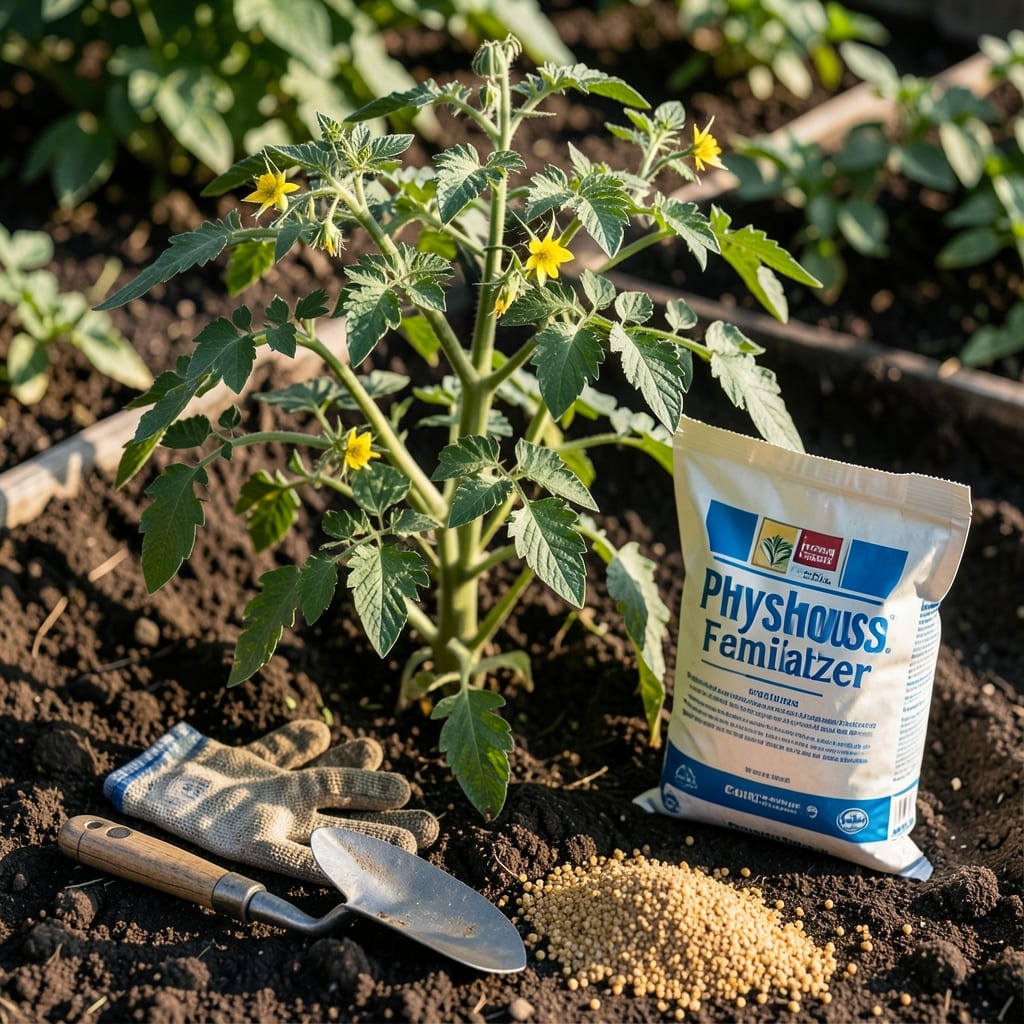
💥 Quick Answer Phosphorus is vital for root development as it promotes cell division, strengthens root systems, and enhances energy transfer in plants, leading to vigorous growth and better nutrient uptake. I’ve seen firsthand how phosphorus acts as a powerhouse…
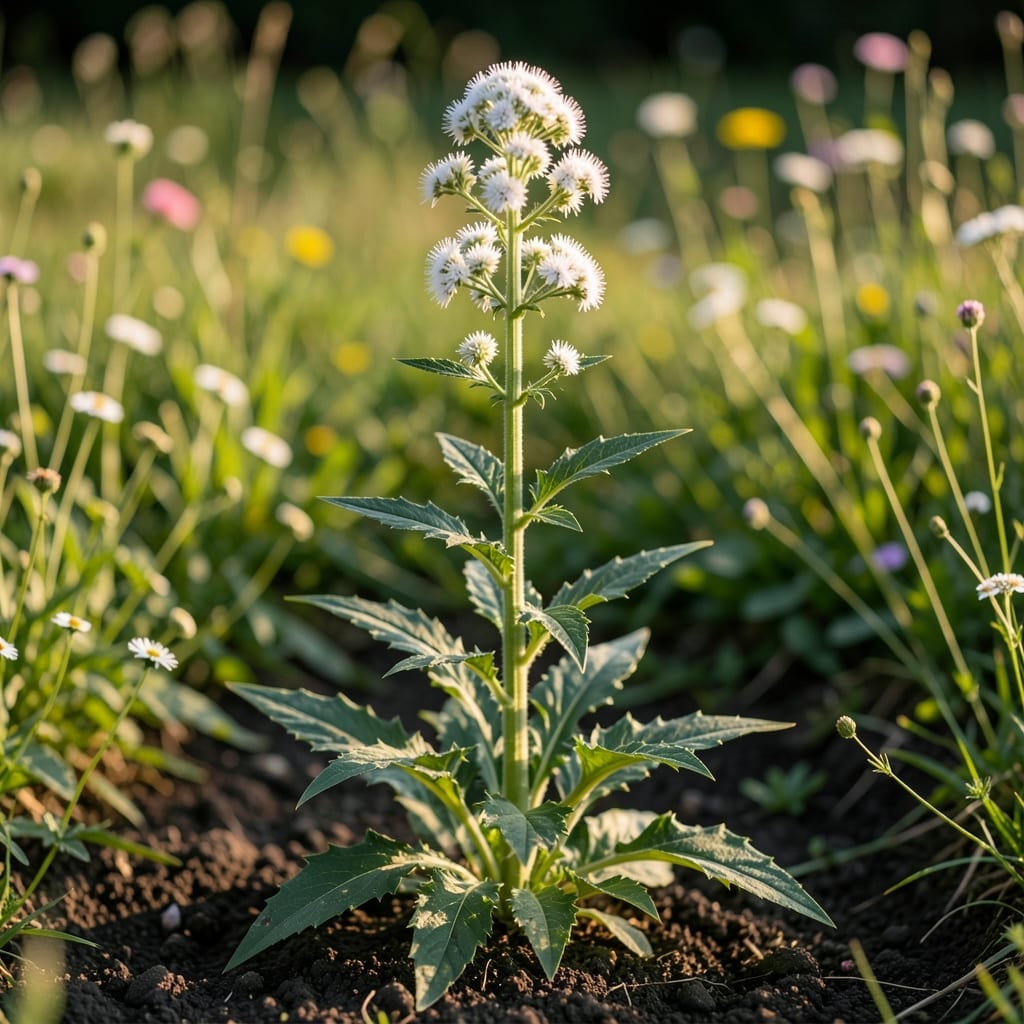
💥 Quick Answer White snakeroot contains tremetol, a toxin that can cause skin irritation or allergic reactions in sensitive individuals, though severe poisoning typically requires ingestion. I’ve found that tremetol sensitivity varies widely—some people develop redness or itching after contact,…