
Beautiful Plants For Your Interior
Beautiful Plants For Your Interior
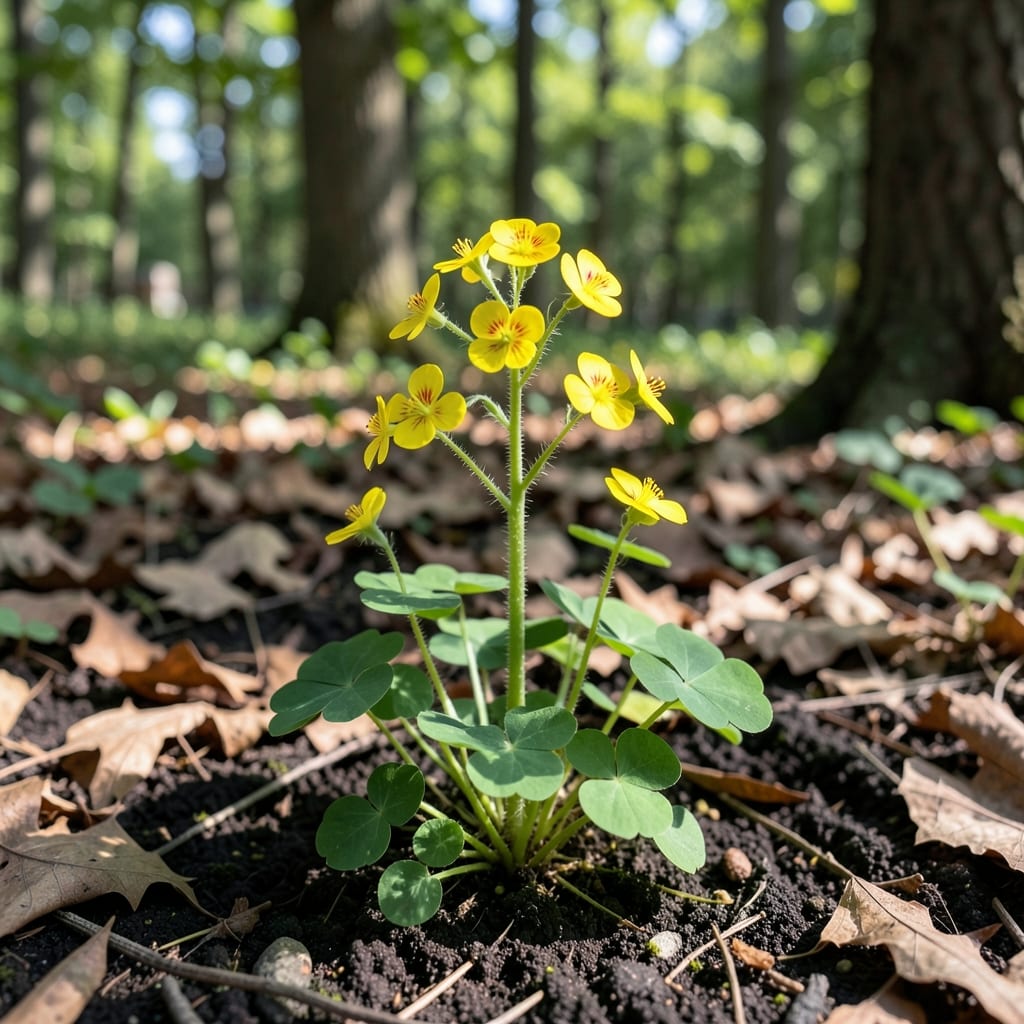
Yes, slender yellow woodsorrel is edible in small amounts, offering a tangy, lemon-like flavor. However, it contains oxalic acid, which can be harmful in large quantities or for those with kidney issues.
I’ve safely foraged this plant for its bright citrusy punch in salads, but moderation is key. The oxalates can cause kidney stones or digestive upset if overconsumed, especially for those with gout or rheumatoid arthritis. Always confirm identification first—its clover-like leaves and yellow flowers are distinctive, but mistakes can be dangerous. ⚡
💡 In This Article
Oxalic acid in woodsorrel binds with calcium in your body, forming sharp calcium oxalate crystals. These crystals can accumulate in the kidneys, leading to painful kidney stones. For most people, consuming 50-100mg of oxalates daily is safe, but woodsorrel contains 300-800mg per 100g, quickly exceeding this threshold. 🔥
The compound also inhibits calcium absorption, potentially weakening bones over time. People with kidney disease, gout, or rheumatoid arthritis face higher risks because their bodies already struggle with oxalate processing. Even healthy individuals may experience nausea or digestive discomfort after eating more than 1 cup of fresh woodsorrel. ✨
Symptoms of oxalate toxicity include mouth irritation, stomach pain, and kidney pain that radiates to the groin. Severe cases can cause kidney damage or failure, though this typically requires consuming large amounts over time. Children and pregnant women should avoid it entirely due to their lower body weight and developing systems. 💫
Cooking reduces oxalate content by 15-30% as some compounds leach into the water. Boiling is more effective than steaming for this purpose. Pairing woodsorrel with calcium-rich foods like dairy can also help, as the calcium binds with oxalates in the digestive tract before absorption. ⚡
What most people don’t realize is that oxalates are cumulative. Eating woodsorrel daily, even in small amounts, can lead to chronic exposure. The plant’s concentration varies by soil conditions—woodsorrel grown in acidic soil tends to have higher oxalate levels than those in alkaline environments. 🌟
Look for bright green, heart-shaped leaflets in groups of three with small yellow flowers. The stems are smooth and often reddish at the base.
Yes, but sparingly. The raw leaves have a tangy, lemon-like flavor, but limit intake to 1/4 cup per serving due to oxalic acid content.
Mouth irritation, stomach pain, and kidney discomfort are early signs. Severe cases may cause nausea or kidney stones.
Boiling reduces oxalates by 15-30%. Discard the cooking water and pair with calcium-rich foods like cheese to bind remaining oxalates.
People with kidney disease, gout, or rheumatoid arthritis, plus children and pregnant women, should avoid it due to heightened sensitivity.