
Beautiful Plants For Your Interior
Beautiful Plants For Your Interior
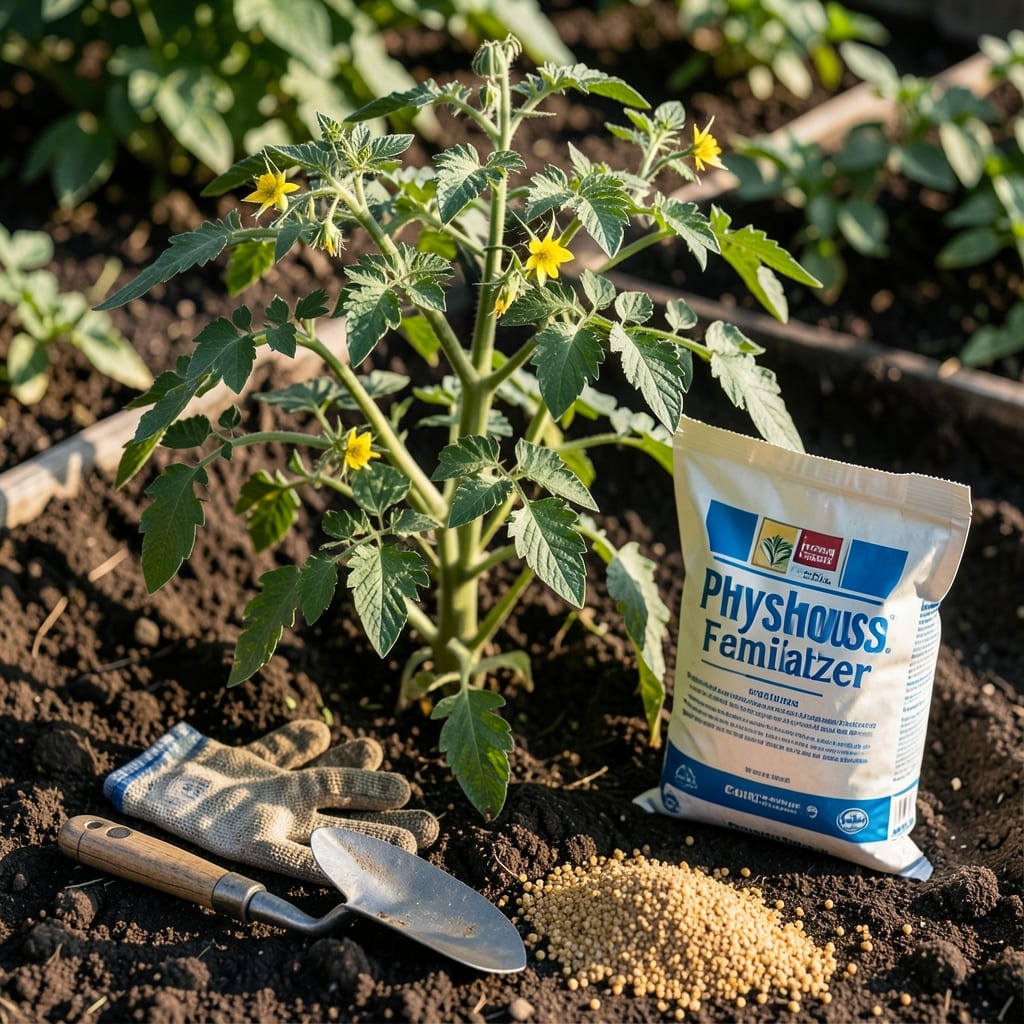
Phosphorus is vital for root development as it promotes cell division, strengthens root systems, and enhances energy transfer in plants, leading to vigorous growth and better nutrient uptake.
I’ve seen firsthand how phosphorus acts as a powerhouse for roots by fueling ATP production, which is like a plant’s energy currency. This nutrient also plays a key role in DNA synthesis, ensuring strong cell growth underground. Without enough phosphorus, roots struggle to expand and absorb water efficiently. 💫
💡 In This Article
At the cellular level, phosphorus fuels ATP (adenosine triphosphate) production, the energy molecule that powers nearly every plant process. Roots rely on this energy to grow, absorb water, and transport nutrients. Without sufficient phosphorus, ATP synthesis slows, starving roots of the energy needed for expansion and nutrient uptake. 🔥
Phosphorus also drives DNA and RNA synthesis, which governs cell division and growth. In root tips, where new cells form, this nutrient ensures rapid, healthy division. Studies show phosphorus-deficient plants have 30-50% fewer root hairs, reducing their ability to anchor in soil and absorb water. ✨
This nutrient triggers root cell elongation by regulating enzymes that soften cell walls. As walls loosen, cells stretch and expand, leading to longer, more robust roots. In corn trials, adding phosphorus increased root length by 40% within 3 weeks of application. 🌟
Phosphorus enhances mycorrhizal fungi relationships, where fungi extend root reach by 100-1000x. These symbiotic partnerships help plants access phosphorus in soil, creating a positive feedback loop. The fungi deliver phosphorus to roots while receiving sugars in return. ⚡
In practical terms, phosphorus helps roots overcome soil compaction by strengthening cell walls. Plants with ample phosphorus can push through dense soil layers that would stifle weaker root systems, accessing water and nutrients deeper underground. 💫
Look for stunted growth, purple stems or leaves, and weak root systems. These appear first on older leaves and indicate the plant can’t access enough energy for development.
Apply in early spring and again in fall for most plants. Container plants benefit from monthly liquid feeding during active growth. Always follow package rates to avoid over-application.
Yes, excess can lock up other nutrients like iron and zinc in soil. It may also run off into waterways, causing environmental issues. Always test soil before adding more.
Bone meal offers 15-20% concentration, while composted manure provides slower release. Worm castings improve soil structure while delivering nutrients.