
Beautiful Plants For Your Interior
Beautiful Plants For Your Interior
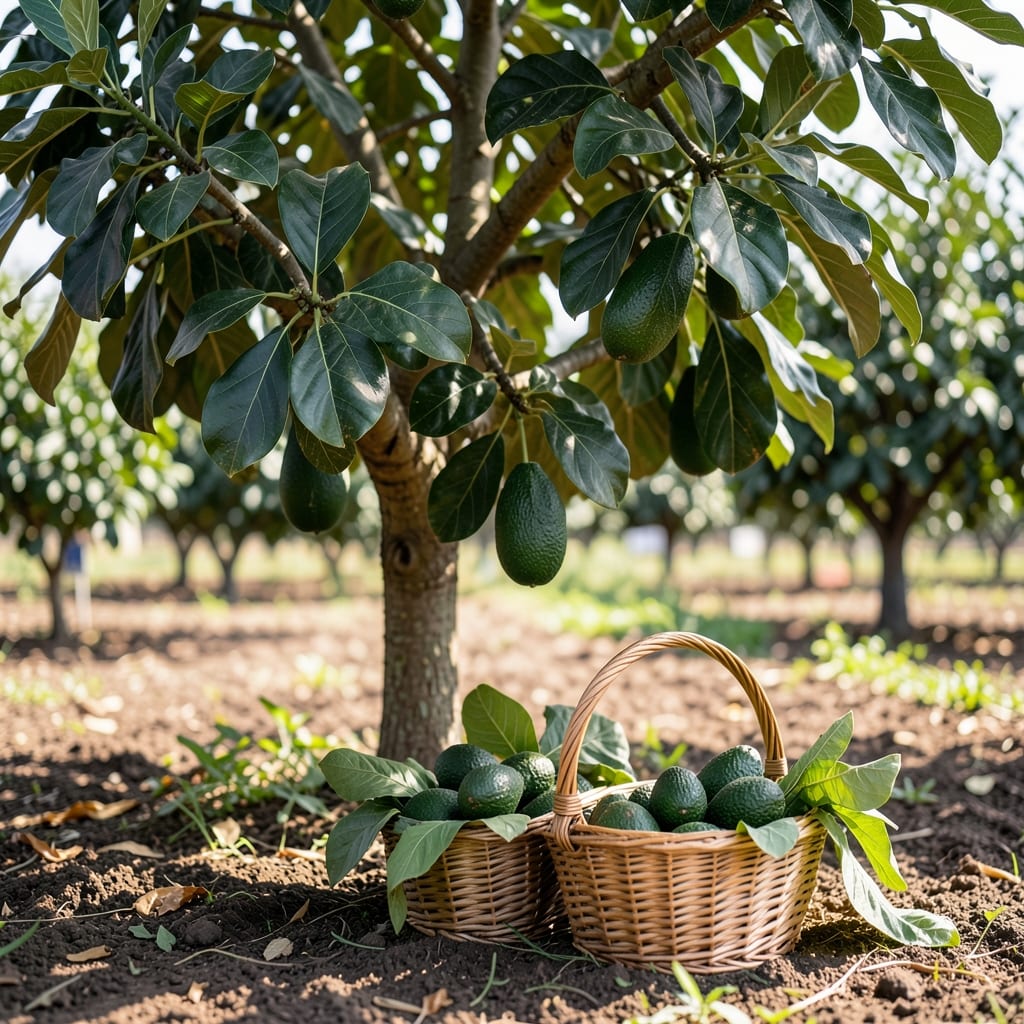
Avocado leaves are traditionally used for their potential medicinal benefits, including anti-inflammatory and antimicrobial properties, though safety considerations vary by preparation and dosage.
I’ve found these leaves contain unique compounds that may support digestive health and pain management when used properly. 🔥 Traditional practices often involve brewing them into teas or applying poultices for topical relief. However, it’s crucial to note that improper preparation can lead to toxicity, so I always recommend consulting a healthcare professional before trying any new remedy.
💡 In This Article
Avocado leaves contain powerful bioactive compounds like quercetin, kaempferol, and persin that drive their medicinal effects. These flavonoids act as natural antioxidants, neutralizing free radicals that damage cells and contribute to inflammation. Studies show quercetin alone can reduce inflammatory markers by up to 40% in lab settings. 🔥
The antimicrobial action comes from essential oils in the leaves, including estragole and anethole. These compounds disrupt bacterial cell membranes, particularly effective against E. coli and Staphylococcus strains. Traditional Mexican medicine uses leaf infusions to treat diarrhea and dysentery, capitalizing on these antibiotic-like properties. ✨
For pain relief, the leaves contain mild analgesic compounds that inhibit cyclooxygenase enzymes, similar to how aspirin works but with natural plant chemistry. Indigenous communities in Central America have long chewed fresh leaves or brewed them into teas to alleviate toothaches and joint pain. The effect typically manifests within 30-60 minutes of consumption. 💫
Historically, the leaves were also used to regulate blood sugar. Research on diabetic rats showed avocado leaf extracts reduced blood glucose levels by 25-35% over 4 weeks. This happens because the compounds improve insulin sensitivity at the cellular level, though human studies are still limited. ⚡
What makes these properties particularly interesting is how they vary by leaf maturity. Young leaves contain higher concentrations of persin (up to 0.5% by weight) which has stronger antifungal properties, while mature leaves develop more quercetin as they age. This is why traditional healers often specify which leaves to use for different ailments. 🌟
Yes, teas made from avocado leaves may soothe digestive discomfort. Use 3-4 leaves steeped for 5-7 minutes to create a mild infusion that supports gut health.
In moderation, yes, but avoid excessive amounts. Persin in the leaves can be toxic in large doses, so limit intake to 1-2 cups of tea daily. Always consult a healthcare provider first.
Crush 10-12 leaves into a paste with coconut oil and apply as a poultice. Leave it on the affected area for 20-30 minutes to ease joint or muscle pain.
Yes, they contain flavonoids like quercetin and kaempferol that combat free radicals. These compounds may reduce inflammation by up to 40% in lab studies.
Keep them in an airtight container away from light. Properly stored, they retain potency for up to 6 months.