
Beautiful Plants For Your Interior
Beautiful Plants For Your Interior
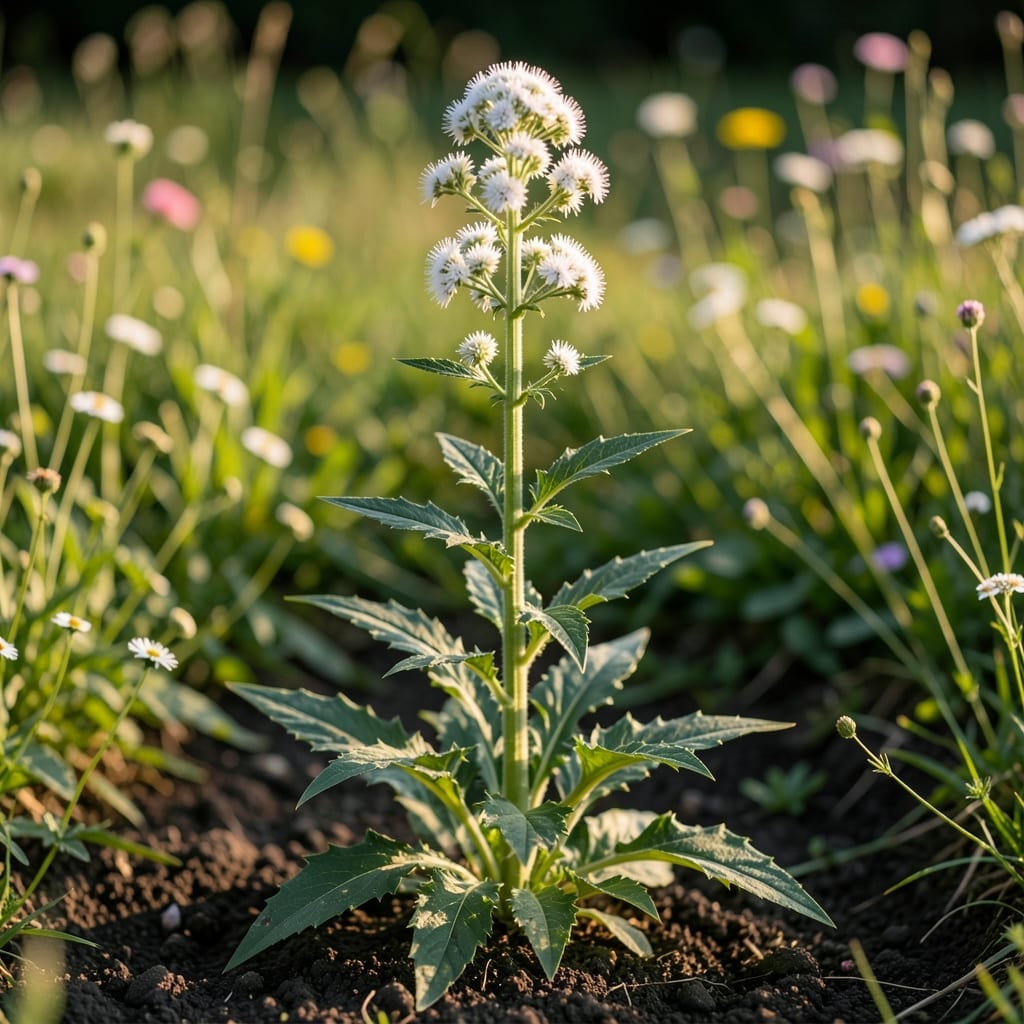
White snakeroot contains tremetol, a toxin that can cause skin irritation or allergic reactions in sensitive individuals, though severe poisoning typically requires ingestion.
I’ve found that tremetol sensitivity varies widely—some people develop redness or itching after contact, while others experience no reaction at all. This variability depends on individual skin chemistry and the concentration of the plant’s compounds.
The risk is real but often mild, which is why I always recommend wearing gloves when handling white snakeroot. 🔥
💡 In This Article
The plant produces tremetol as a secondary metabolite through a complex biochemical pathway. This toxin belongs to a class of compounds called ketones that the plant synthesizes in its roots and leaves as a natural defense mechanism against herbivores.
When these compounds come into contact with human skin, they can disrupt the lipid barrier, leading to localized irritation.
Tremetol’s molecular structure allows it to penetrate the outer layer of skin, triggering an immune response in sensitive individuals. The compound has a molecular weight of approximately 166 g/mol, small enough to pass through the epidermis. This penetration can cause the release of histamine, resulting in redness, itching, or even blistering in severe cases.
What makes white snakeroot particularly concerning is its high concentration of tremetol—up to 1-3% of the plant’s dry weight. This is significantly higher than many other toxic plants, which often contain toxins in much smaller quantities.
The plant’s ability to thrive in shaded, moist environments also means it can produce these compounds consistently throughout its growing season.
Individual sensitivity varies due to differences in skin pH and the presence of other compounds in the plant, like tannins and flavonoids, which can either exacerbate or mitigate reactions. For instance, some people may experience no symptoms, while others develop contact dermatitis within 12-24 hours of exposure. 🔥
The plant’s toxins are not limited to tremetol. White snakeroot also contains other ketones and terpenoids that can contribute to skin irritation. These compounds work synergistically, meaning their combined effect can be more potent than any single toxin alone. This is why even brief contact can sometimes lead to noticeable reactions.
Interestingly, the plant’s toxicity has been documented for centuries. Early American settlers observed that livestock consuming white snakeroot would develop symptoms like trembling, weakness, and even death—a condition known as “trembles.” While human skin reactions are generally milder, they stem from the same underlying mechanisms that affect animals. ✨
You may develop redness, itching, or a mild rash within 12-24 hours. The tremetol in the sap can penetrate skin, triggering an immune response in sensitive people. Always wash the area immediately with soap and water.
Nitrile-coated or rubber gloves create a barrier that blocks toxin transfer. Long sleeves add extra protection when handling the plant. Even brief contact without protection can cause irritation in some individuals.
Watch for itchy skin, redness, or swelling after contact. Severe allergies may cause blisters. If symptoms worsen or spread, seek medical attention. A patch test with a small leaf piece can confirm sensitivity.
Dried plants still contain active toxins. The tremetol remains potent even after wilting or drying. Always handle with the same precautions you’d use for fresh plants.