
Beautiful Plants For Your Interior
Beautiful Plants For Your Interior
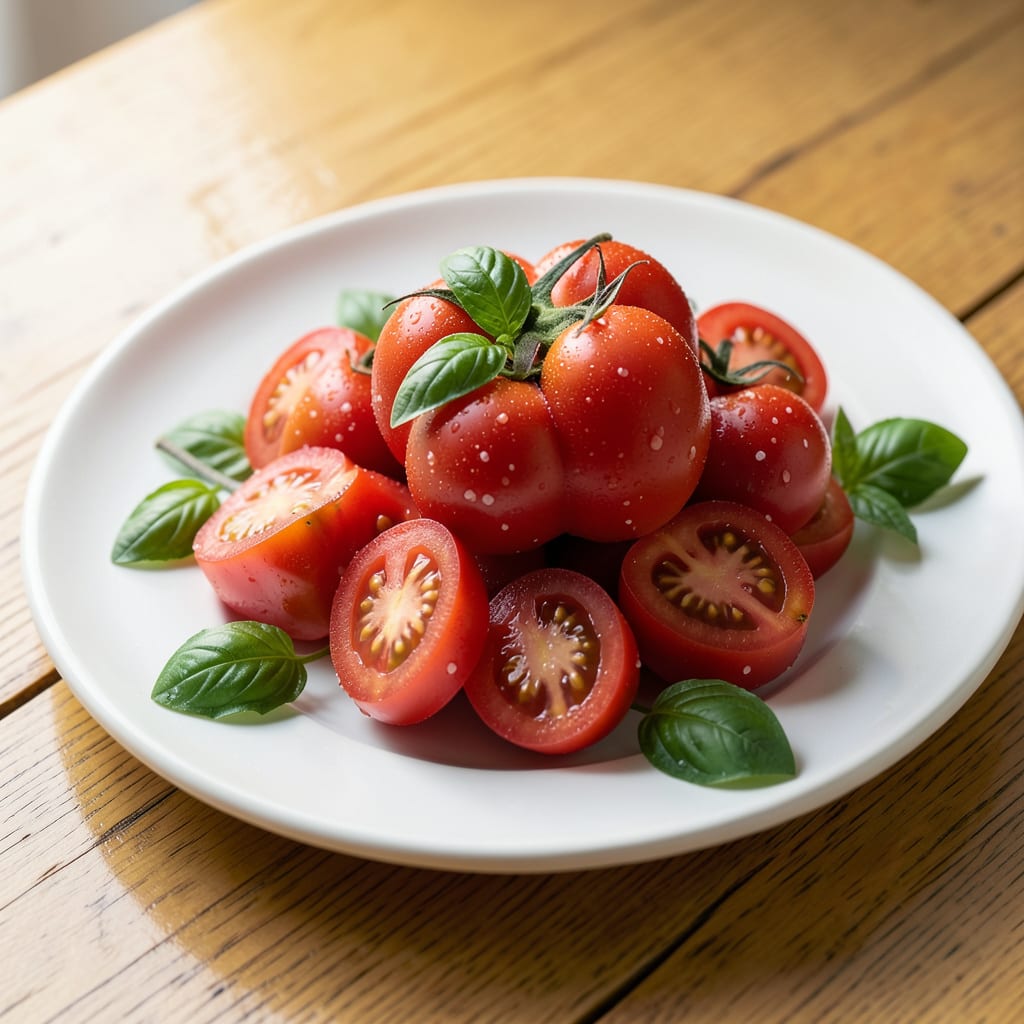
White spots on your tomatoes are your plants’ way of sending an SOS. 🌱 I’ve seen this enough times to know it’s usually one of three culprits: powdery mildew, spider mites, or sunscald.
Each leaves a distinct pattern and requires a different fix. The good news? With quick action, you can stop the spread and save your crop. I once lost an entire bed to powdery mildew before learning this.
You’ll be checking leaves for webbing, feeling for powdery residue, and noting which part of the plant is affected. The solution might be as simple as better airflow or a neem oil spray.
Prevention is easier than treatment, so we’ll cover both. Your tomatoes can still thrive this season.
The appearance of small white spots on tomatoes can stem from several biological and environmental factors. Below are the most common causes, explained with actionable insights.
Powdery mildew (Oidium or Leveillula taurica) thrives in warm, dry conditions with high humidity. It manifests as white, powdery spots on leaves and fruit, often spreading rapidly. The fungus spore germinates on the plant surface, penetrating cells to feed on nutrients. Poor air circulation and crowded planting exacerbate the issue.
Whiteflies and spider mites secrete sticky honeydew or cause stippling damage, leading to white speckling. Whiteflies (Bemisia tabaci) feed on sap, while spider mites (Tetranychus urticae) pierce plant cells, creating tiny white or yellow spots. Their activity weakens the plant and invites secondary infections.
Direct, intense sunlight can cause sun scald, creating white, blistered patches on exposed fruit. Similarly, hard water or mineral-rich splashes (e.g., from overhead irrigation) may leave chalky residue. These spots are superficial but can reduce marketability.
Imbalances in soil nutrients, particularly calcium or magnesium, can trigger physiological spots. Calcium deficiency causes blossom end rot (often white or tan), while magnesium deficiency leads to interveinal chlorosis, sometimes appearing as white stippling on leaves and fruit.
Identifying the root cause is key to targeted treatment. Check for fungal signs (powdery growth), pest activity (webbing or insects), or environmental patterns (watering methods, sunlight exposure).
Once you’ve identified the cause of those small white spots, these targeted fixes will help restore your tomatoes to full health. Act quickly to prevent spread and recurrence.
Mix 1 tablespoon baking soda + 1 teaspoon dish soap + 1 gallon water. Spray leaves weekly until spots fade. Prevention: Improve airflow by pruning dense foliage and watering at the base to keep leaves dry. 💡 Choose resistant varieties like ‘Mountain Merit’ for future crops.
Blast pests off with a strong stream of water early in the day. For stubborn cases, apply insecticidal soap or introduce beneficial ladybugs. Prevention: Use reflective mulch to deter whiteflies and inspect plants weekly for early signs.
Shade plants during peak afternoon sun with 30-50% shade cloth. Ensure consistent watering—1-2 inches per week—to avoid drought stress. Prevention: Harden off seedlings gradually before transplanting and mulch soil to retain moisture. ✨ Drip irrigation keeps foliage dry and reduces stress.
For calcium, add crushed eggshells to soil or use a calcium-rich foliar spray. For magnesium, apply Epsom salt solution (1 tbsp/gallon) to leaves. Prevention: Test soil annually and amend with compost before planting. 🎯 Balanced fertilizer (10-10-10) supports overall health.
Remove and destroy infected plants immediately to prevent spread. Disinfect tools with rubbing alcohol. Prevention: Rotate crops yearly, avoid overhead watering, and use disease-free seeds or seedlings. 🌱 Copper fungicides can help if applied at first signs.
Yes, fungal and pest-related spots can easily spread. Isolate affected plants and treat immediately.
Powdery mildew looks like white dust, while pests leave tiny webs or sticky residue. Check undersides of leaves for clues.
Fruit with environmental spots is safe. Discard any with fungal growth or pest damage to avoid contamination.
Check weekly for early signs, especially after rain or heat waves. Early detection makes treatment much easier.
