
Beautiful Plants For Your Interior
Beautiful Plants For Your Interior
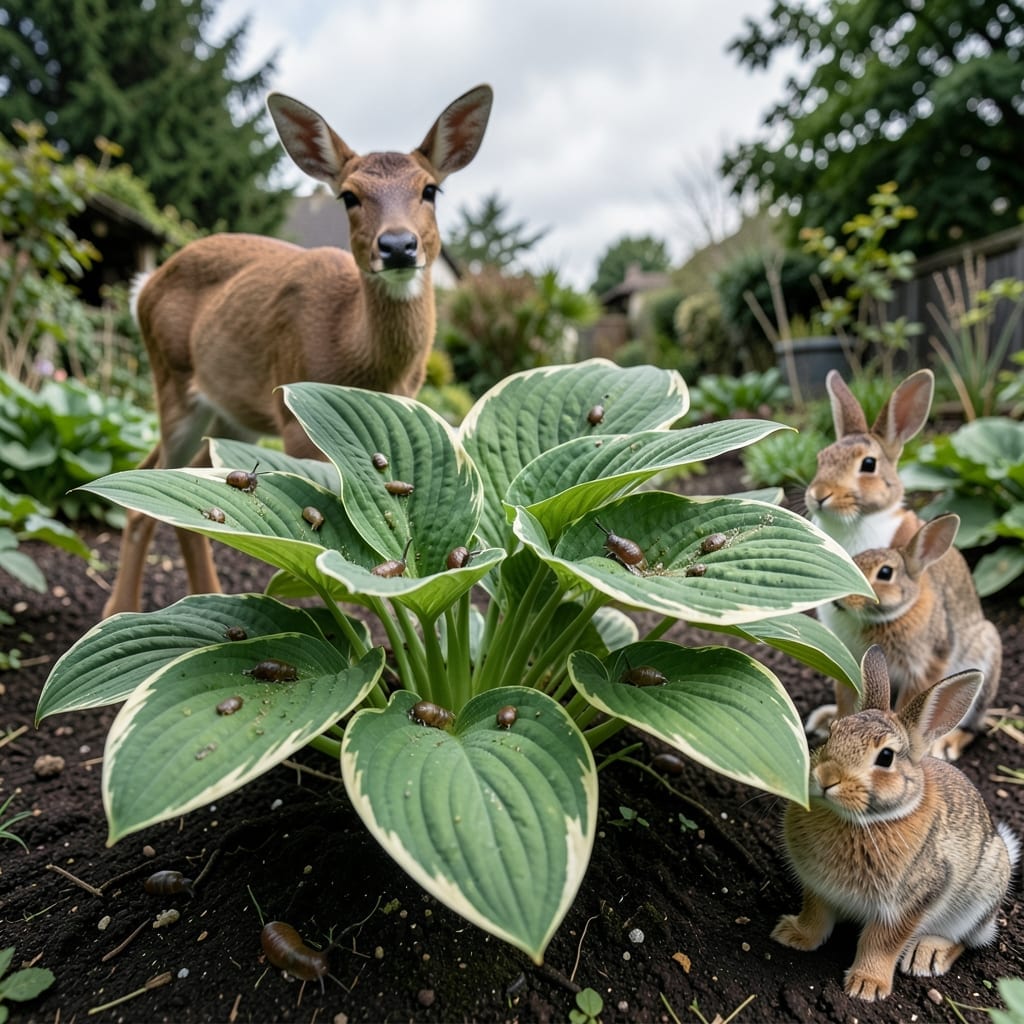
Deer are the most common animals that eat hosta leaves, but rabbits, slugs, and snails also frequently target these plants, especially in garden settings.
I’ve noticed these plants are like a buffet for wildlife because of their tender, nutrient-rich foliage. 🌿 Deer and rabbits are drawn to hostas for their soft texture, while slugs and snails take advantage of the shaded, moist environments where these plants often grow. This combination makes hostas particularly vulnerable in residential gardens.
💡 In This Article
Hosta leaves pack a nutritional punch that makes them irresistible. They contain high levels of proteins, minerals, and moisture—up to 90% water content—which deer and rabbits crave, especially in dry seasons. The tender, almost succulent texture means less chewing effort compared to tougher garden plants like boxwood or holly. 🌿
Unlike many ornamentals, hostas lack natural chemical defenses. Most plants produce bitter compounds or toxins to deter herbivores, but hostas evolved with minimal protection. This makes them an easy, energy-rich food source. A mature hosta can lose entire clumps overnight to a hungry deer, as they consume 5-10 pounds of foliage daily in summer.
Seasonal patterns amplify the problem. In spring, new hosta shoots emerge sweet and especially palatable. Rabbits target these young growths first, while deer prefer the broader leaves later in the season. Both animals have keen noses and can detect hostas from 50-100 feet away, drawn by the plant’s mild, almost cucumber-like aroma.
Garden placement plays a role too. Hostas thrive in shaded, moist areas—the same conditions that attract deer and rabbits seeking shelter and hydration. These animals often follow predictable paths through gardens, and once they discover a hosta patch, they’ll return repeatedly, sometimes even training their young to feed there. ⚡
What’s fascinating is how hostas’ lack of thorns or hairy leaves removes all physical barriers. Even the plant’s waxy cuticle, which might deter some insects, does nothing against mammals. This vulnerability is why hostas are often called the “candy of the garden” among wildlife biologists studying urban foraging behavior.
Squirrels rarely target hostas, as they prefer nuts and seeds over leafy greens. They might nibble occasionally but won’t cause significant damage like deer or rabbits.
Deer are crepuscular, meaning they’re most active at dawn and dusk. Nighttime provides cover from predators and cooler temperatures, making it ideal for feeding on tender hosta leaves undisturbed.
Yes! Sprinkle used coffee grounds around plants to create a barrier slugs avoid. The caffeine is toxic to them at high concentrations, and the coarse texture deters their movement.
Install a 2-foot-high fence with the bottom 6 inches buried to prevent rabbits from digging underneath. Chicken wire works well for this purpose.
Start protection in early spring when new shoots emerge, as this is when animals find them most appealing. Continue through summer until plants mature and develop tougher leaves.