
Beautiful Plants For Your Interior
Beautiful Plants For Your Interior
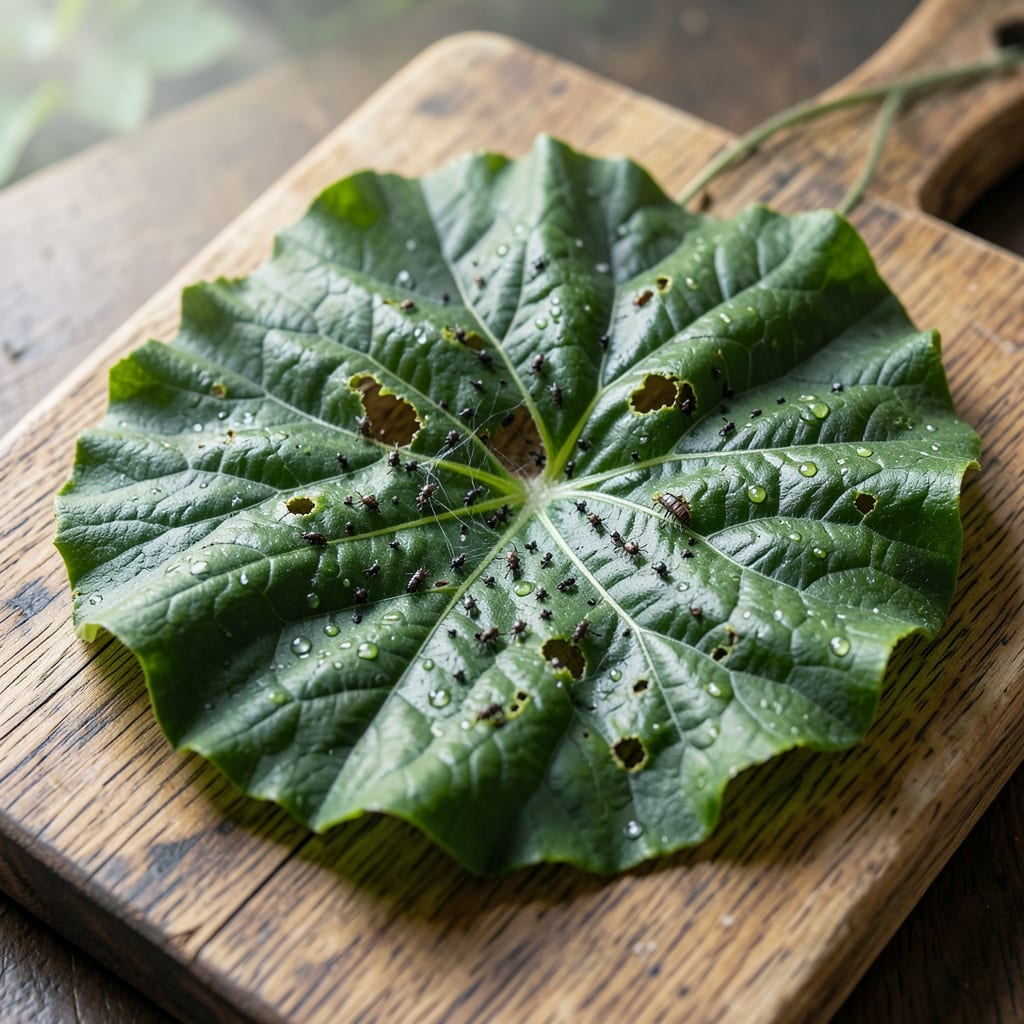
My cucumber leaves looked like Swiss cheese last June. Turns out several insects find them just as tasty as we find the cucumbers themselves.
Identifying the culprit is half the battle. Once you know what you’re dealing with, organic control methods can save your plants without harsh chemicals. Prevention and early action make all the difference.
📚 In This Guide
Here’s the method I use to spot and stop leaf-eating pests before they ruin my cucumber crop.
Start by examining both the upper and lower surfaces of your cucumber leaves. Different pests leave distinct marks—small, round holes often indicate flea beetles, while ragged, irregular edges suggest cucumber beetles are at work. Look closely at the undersides, where many insects hide during the day.
Check for white or yellow stippling on the leaves, which usually means spider mites are feeding. If you notice silvery trails or a sticky residue, aphids are likely present. I always bring a magnifying glass to confirm—some pests are nearly invisible to the naked eye.
Once you spot damage, look for the insects themselves. Cucumber beetles are yellow and black striped or spotted and about ¼ inch long. Aphids are tiny, green, black, or white, and often cluster on new growth or leaf undersides. Spider mites are even smaller—look for tiny red or yellow specks moving slowly.
Flea beetles are small, black or brown, and jump when disturbed. If you see white, cottony masses under the leaves, you’re dealing with mealybugs. I’ve found that shaking the plant gently over a white sheet of paper helps reveal these tiny invaders.
For cucumber beetles, handpick them early in the morning when they’re sluggish and drop them into a bucket of soapy water. I also use floating row covers to prevent them from reaching the plants in the first place. Neem oil, applied in the early morning or late evening, works well against aphids, spider mites, and flea beetles.
Spray a mixture of 1 tablespoon of mild soap per quart of water to control smaller pests like aphids and spider mites. Reapply every 4-7 days or after rain. For severe infestations, I introduce beneficial insects like ladybugs or lacewings, which naturally prey on these pests.
Keep your garden clean by removing plant debris and weeds, which can harbor pests over the winter. I rotate my cucumber crops every year to disrupt pest life cycles. Companion planting can also help—marigolds, nasturtiums, and radishes repel many cucumber pests naturally.
Water your plants in the early morning so the foliage dries quickly, reducing the risk of fungal diseases that attract pests. I also mulch around the base of my plants with straw or grass clippings to deter ground-dwelling insects from climbing up the vines.
Here’s what I’ve learned from years of battling cucumber pests—small details make a big difference.
The Inspection Hack: In Step 1, don’t just glance at the leaves—use a white sheet of paper under the plant and gently shake it. This reveals tiny pests like spider mites or flea beetles that are hard to spot otherwise. I missed an infestation once by skipping this, and it cost me half my crop.
Timing Matters: For Step 3, applying neem oil or soapy water in the early morning or late evening is crucial. Midday applications can burn leaves in the sun, and the oil evaporates too quickly. Reapplying every 4-7 days, as mentioned, keeps new hatches from taking over.
Prevention Over Treatment: In Step 4, companion planting with marigolds or radishes isn’t just folklore—it works. These plants repel pests naturally, reducing the need for interventions later. I planted marigolds last season and saw a noticeable drop in cucumber beetle damage.
Tool Upgrade: A magnifying glass, mentioned in Step 1, is a game-changer. Many pests, like spider mites, are nearly invisible without one. I keep mine in my gardening toolkit now and catch problems before they spiral.
Cucumber beetles, aphids, and spider mites are frequent culprits. Beetles leave jagged holes, while aphids cause yellowing or curled leaves. Spider mites create stippled, discolored foliage.
Use row covers early in the season, rotate crops yearly, and remove plant debris. Companion planting with marigolds or nasturtiums can also deter pests naturally.
Inspect leaves early in the morning or late afternoon when insects are most active. Look under leaves and along stems for eggs or larvae.
Yes! Spray neem oil, insecticidal soap, or introduce beneficial insects like ladybugs. Handpick larger pests like beetles and drop them into soapy water.
Insects like cucumber beetles may feed at night or have already moved on. Check for hidden pests or signs like frass (insect droppings) to confirm the cause.
