
Beautiful Plants For Your Interior
Beautiful Plants For Your Interior
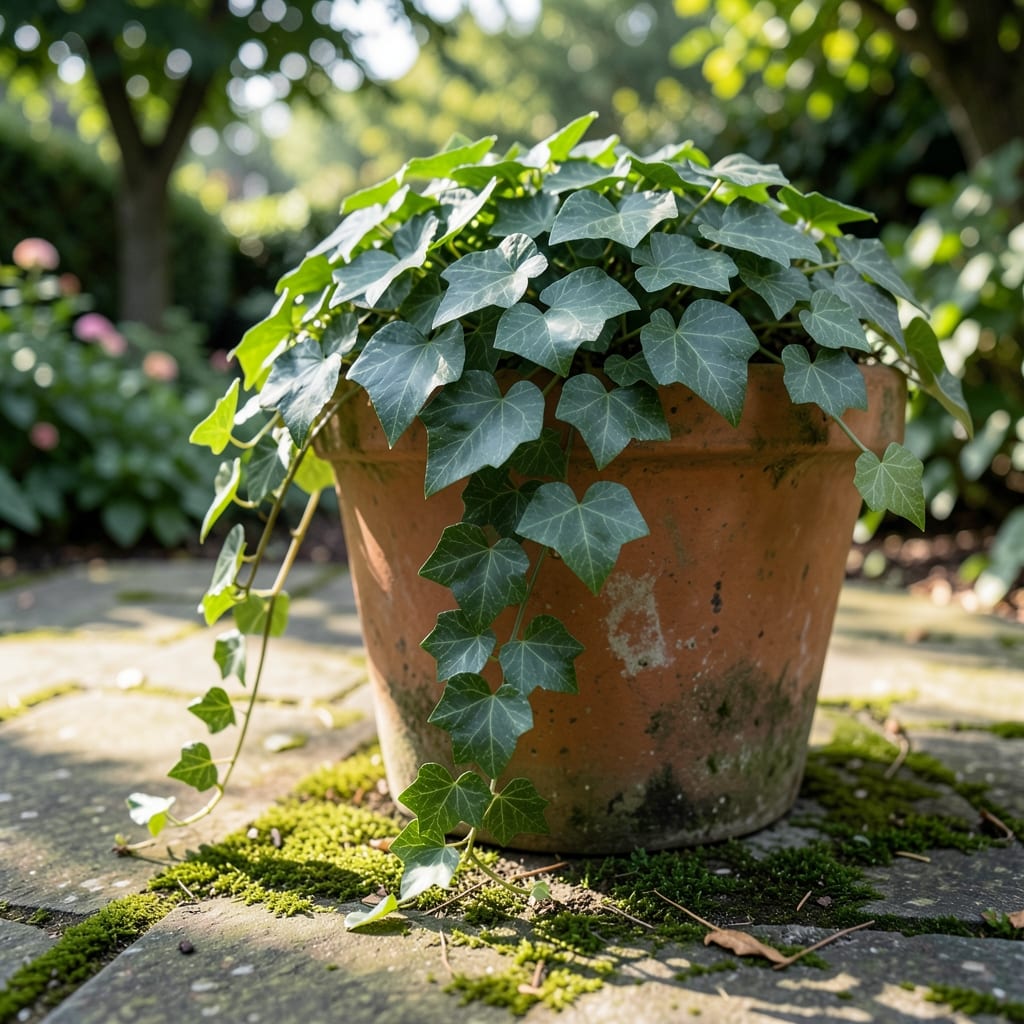
Ivy leaves typically feature 3-5 lobes with pointed tips, smooth or slightly toothed edges, and a glossy dark green surface. Colors vary from deep green to variegated white or yellow patterns depending on the species.
What I find fascinating is how these distinctive shapes help ivy climb so effectively—the lobes create natural surface area for gripping walls and trees. The glossy coating also serves a purpose, as it helps the plant retain moisture in dry conditions. 💫
For identification, pay attention to the vein patterns, which often radiate outward like fingers from the leaf’s center point.
💡 In This Article
The lobe count on ivy leaves isn’t random—it’s an evolutionary adaptation. Most species develop 3-5 lobes to maximize sunlight capture while minimizing wind resistance. The pointed tips help channel rainwater toward the leaf base, directing moisture to the plant’s roots more efficiently.
This design is particularly evident in English ivy, where the lobes often have a slightly wavy margin. 🌟
What’s less obvious is the leaf’s surface structure. The glossy appearance comes from a thin, waxy cuticle layer that reflects light. Under a microscope, you’d see this layer is punctuated with tiny stomata—pores that regulate gas exchange.
English ivy typically has 10-15 stomata per square millimeter, which is relatively low compared to other plants, helping it conserve water. ✨
The vein patterns serve as the plant’s internal highway system. Ivy leaves feature a palmate venation pattern, where 5-7 primary veins radiate from a central point like spokes on a wheel. This structure provides both strength and flexibility, allowing the leaf to withstand strong winds without tearing.
The veins also contain vascular bundles that transport water, nutrients, and sugars throughout the leaf. 💫
Color variations tell a story of genetics and environment. While most ivy leaves appear deep green, some species like ‘Gold Child’ develop striking yellow variegation due to a mutation that reduces chlorophyll production in certain cells. The white variegation in ‘Glacier’ ivy results from air spaces in the leaf tissue that reflect light.
These color patterns can change with light exposure—leaves in full sun often develop more intense variegation. ⚡
For identification, note how the leaf base often has a slightly heart-shaped indentation where it meets the stem. This cordate base is a key distinguishing feature from look-alike plants.
The leaf’s texture also varies—young leaves may feel slightly fuzzy, while mature leaves develop that characteristic smooth, leathery texture that makes ivy so durable in various climates. 🔥
Healthy ones appear glossy with vibrant dark green color and 3-5 lobes. The surface should look smooth and the edges firm, not wilted or discolored.
Check for the telltale heart-shaped base and 5-7 veins radiating from the center. True ivy also has alternating leaves, not opposite pairs like boxwood.
These are variegated varieties like ‘Glacier’ or ‘Gold Child’. The patterns come from genetic mutations or air spaces in the tissue that reflect light differently.
Yes, if the image clearly shows the lobe count, vein pattern, and leaf base. Compare these features to known ivy characteristics for accuracy.