
Beautiful Plants For Your Interior
Beautiful Plants For Your Interior
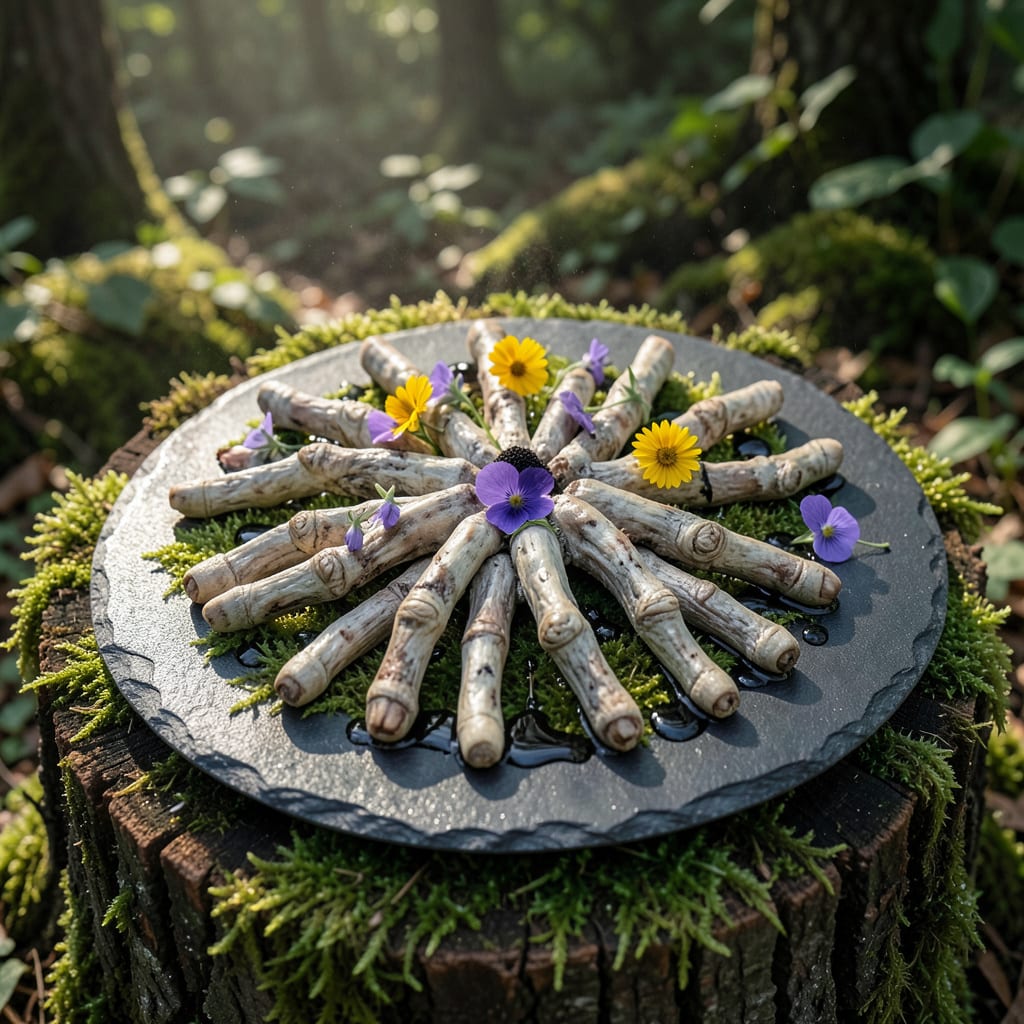
I spotted my first finger-like fungus last spring and nearly mistook it for a plant. These odd growths appear overnight, pushing up through mulch or soil like pale, fleshy digits that seem almost alive.
They thrive in moist, shaded areas and often cluster near decaying wood or leaf litter. The texture is spongy, not plant-like, and they can spread quickly if left unchecked. Most gardeners panic when they see them—I know I did.
Removal is straightforward once you recognize the pattern. A simple garden fork works best to lift them out whole, roots and all. The key is catching them before they release more spores into your soil.
Works for flower beds, vegetable patches, and even container gardens. Here’s how to keep them from returning.
The eerie, finger-like growths you’re seeing in your garden, on decaying wood, or even in damp indoor spaces are likely Xylaria species or other ascomycete fungi. These fungi develop their striking morphology due to specific environmental and biological triggers. Below are the primary causes behind this unsettling yet fascinating phenomenon.
Fungi thriving in moist, nutrient-rich environments often exhibit unique growth patterns. Xylaria polymorpha, commonly known as “dead man’s fingers,” emerges on rotting wood or mulch when:
Actionable tip: Reduce moisture by improving drainage or removing decaying wood to discourage growth.
These fungi produce stromata—dense, finger-like structures packed with spores. This adaptation:
Note: Disturbing these structures can release clouds of spores, potentially triggering allergies.
Cool, humid conditions (common in spring or fall) activate dormant fungal mycelium. Species like Clavaria or Ramaria (coral fungi) sprout “fingers” when:
Pro tip: Monitor seasonal changes to predict and manage fungal outbreaks in gardens.
If you’ve spotted a fungus that looks like fingers in your garden, yard, or even indoors, prompt and proper removal is key to preventing spread. Below are targeted solutions for common scenarios, along with prevention tips to keep it from returning.
Fix: Wear gloves and a mask, then carefully dig around the fungus with a trowel to expose the base. Gently twist and pull it out, ensuring you remove the entire structure, including the underground mycelium. Dispose of it in a sealed bag—do not compost, as this can spread spores. Sterilize your tools with rubbing alcohol afterward.
Fix: For fungi growing on decaying wood, removal of the affected material is often necessary. Cut out the infected wood at least 6 inches beyond the visible fungus and burn or discard it. If the stump is large, consider grinding it down and treating the area with a natural fungicide like neem oil.
Fix: Improve airflow and reduce moisture immediately. Move potted plants to a sunnier, drier spot and repot them in fresh, sterile soil. For damp corners, use a dehumidifier and wipe surfaces with a vinegar solution (1:1 vinegar and water) to kill spores. Replace heavily infested materials like carpet or drywall.
By acting quickly and addressing the root cause—whether it’s excess moisture, poor airflow, or decaying matter—you can effectively manage and prevent finger-like fungi from taking over.
Most finger-like fungi are not toxic, but some species may cause skin irritation. Always wear gloves when handling and avoid inhaling spores.
These fungi spread through underground mycelium networks. When conditions are right, multiple growths emerge close together to maximize spore dispersal.
While it primarily feeds on decaying organic matter, some species can harm plant roots. Remove it promptly to prevent potential spread to healthy vegetation.
Improve drainage, remove decaying wood, and increase sunlight exposure. Regularly clean organic debris to eliminate its food source.
