
Beautiful Plants For Your Interior
Beautiful Plants For Your Interior
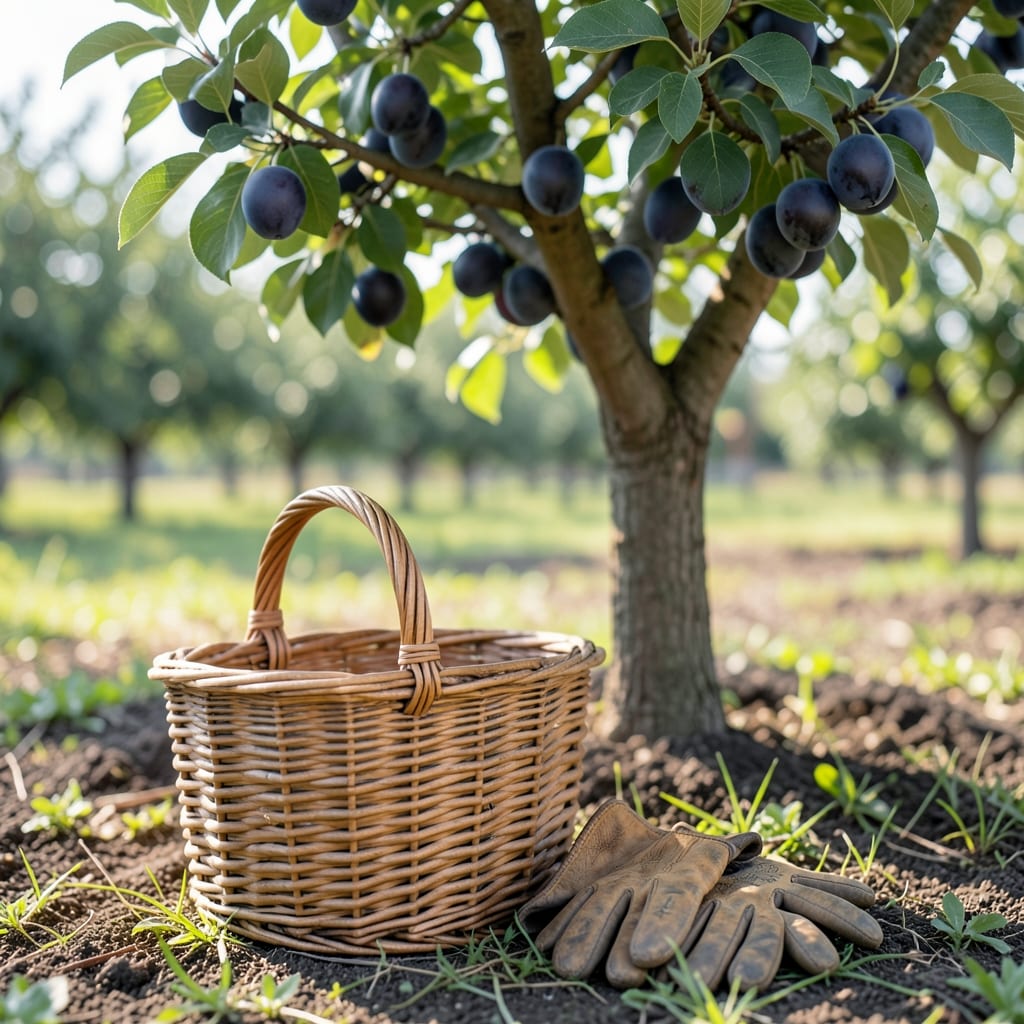
Black color on plums often signals fungal diseases like black knot or sooty mold, but can also result from bacterial infections, environmental stress, or physical damage to the fruit.
I’ve noticed these dark blemishes often start as small spots before spreading across the fruit’s surface. Black knot fungus creates swollen, tar-like growths, while sooty mold forms a powdery coating. Environmental stressors like frost or hail damage can also trigger discoloration, making early diagnosis key to saving your harvest. 🔥
💡 In This Article
Black knot fungus (Apiosporina morbosa) invades through wounds, producing hard, black galls that can reach 1-6 inches in length. The pathogen releases spores during wet spring weather, infecting new growth. This disease thrives in 60-75°F temperatures with high humidity, making early spring the critical infection period. 🔥
Sooty mold appears as a black, powdery coating caused by sap-sucking insects like aphids. These pests excrete honeydew, a sticky substance that serves as the perfect growth medium for mold spores. Unlike black knot, sooty mold is superficial and can often be wiped away, though it may reduce fruit quality and marketability. ✨
Environmental factors play a significant role too. Late spring frosts can damage developing fruit, creating entry points for pathogens. Hail damage or mechanical injury during harvest can also lead to blackening as the fruit’s natural defenses are compromised. These wounds often develop secondary infections within 48-72 hours. 💫
Bacterial infections, particularly Xanthomonas arboricola, cause black spots that may ooze in wet conditions. These lesions often have a water-soaked appearance before turning black. The bacteria spreads through rain splash and contaminated pruning tools, with optimal infection conditions at 70-80°F with prolonged leaf wetness. ⚡
Physiological disorders can mimic disease symptoms. Calcium deficiency may cause black pit in plums, where small black spots develop in the fruit flesh. This typically occurs during rapid fruit expansion when calcium can’t keep up with cell growth, often affecting 10-20% of the crop in susceptible varieties. 🌟
Not always. While diseases like black knot are common, environmental factors such as frost or hail can also cause black spots.
Look for hard, swollen, tar-like growths on branches. These galls often appear in spring and can grow up to 6 inches long.
Apply copper fungicide in early spring, and use neem oil for sooty mold. Remove fallen leaves to prevent overwintering.
Yes, fungal spores and bacteria can spread via wind, rain, or contaminated tools. Always sanitize pruning equipment.
Plant resistant varieties, space trees 10-15 feet apart, and monitor weekly for early signs.