
Beautiful Plants For Your Interior
Beautiful Plants For Your Interior
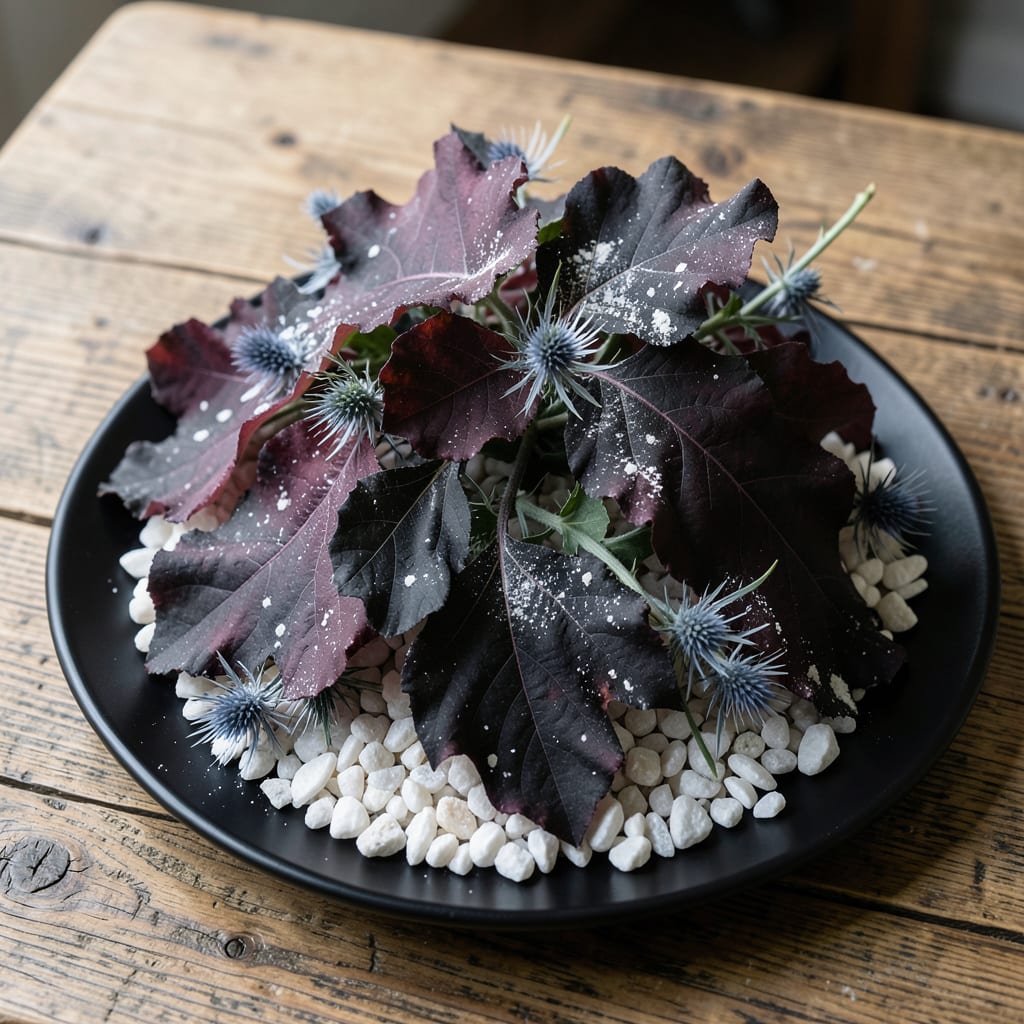
Your crepe myrtle’s leaves shouldn’t look like a bad tie-dye project. I’ve seen this exact pattern—black patches with white spots—ruin too many summer blooms, and it’s always the same culprit hiding in plain sight.
Here’s the thing—this isn’t just ugly, it’s a fungal party crashing on your plant’s leaves. The spots spread fast in warm, wet weather, and before you know it, your tree’s dropping leaves like it’s fall in July.
Good news: it’s fixable. A little pruning, better airflow, and the right spray can turn this around in 2-3 weeks. Your myrtle will thank you with fresh, clean growth.
Prevention is simpler than the cure, though. One seasonal habit keeps this from ever happening again.
Crepe myrtles developing blackened leaves with white spots are almost always battling a fungal disease. The most frequent culprit is powdery mildew (Erysiphe Lagerstroemiae), which thrives in warm, humid conditions. This fungus coats leaves in a white, powdery film that later turns dark as the tissue dies. 🌡️
Fungal spores germinate rapidly when relative humidity exceeds 60% and air stagnates around the foliage. Dense plantings, overhead watering, or shaded locations trap moisture, creating the perfect breeding ground for powdery mildew.
Watering from above wets the leaves, allowing spores to cling and penetrate the surface. Crepe myrtles should be watered at the base to keep foliage dry, especially in the evening when prolonged dampness encourages fungal growth.
Excess nitrogen promotes lush, soft growth that’s more susceptible to infection. Conversely, potassium-deficient plants struggle to build strong cell walls, making them easier targets for fungi. A balanced fertilizer (e.g., 10-10-10) supports natural resistance.
Some crepe myrtle cultivars, like ‘Natchez’ or ‘Muskogee,’ are genetically prone to powdery mildew. If your plant repeatedly shows symptoms, consider replacing it with resistant varieties such as ‘Tonto’ or ‘Catawba.’
Fallen leaves and untreated infections allow fungi to survive winter in the soil or on plant debris. Clean up leaf litter and prune affected branches to reduce next season’s spore load.
When your crepe myrtle develops blackened leaves with white spots, it’s usually a fungal issue like Cercospora leaf spot or powdery mildew. Here’s how to tackle each cause and prevent future outbreaks.
Fix: Remove and destroy infected leaves to stop the spread. Apply a copper-based fungicide or neem oil to the plant, following label instructions. Prune affected branches to improve airflow.
Prevention: Water at the base of the plant (not overhead) to keep foliage dry. Space plants properly for circulation, and clean up fallen debris where fungi thrive. 💡 Pro tip: Apply fungicide preventatively in early summer if your area has humid, wet conditions.
Fix: Spray leaves with a baking soda solution (1 tbsp baking soda + 1 tsp dish soap + 1 gallon water) or use a sulfur-based fungicide. Avoid overhead watering and reduce shade if possible.
Prevention: Choose mildew-resistant crepe myrtle varieties like ‘Natchez’ or ‘Tonto.’ Thin out dense growth to improve air movement. ✨ Pro tip: Avoid high-nitrogen fertilizers, which promote tender, mildew-prone growth.
Fix: If aphids or scale insects are present (they can spread sooty mold, which looks black), treat with insecticidal soap or horticultural oil. Wipe leaves with a damp cloth to remove mold.
Prevention: Encourage beneficial insects like ladybugs by planting companion flowers. Inspect plants regularly for early pest signs. 🎯 Pro tip: A strong blast of water can dislodge aphids before they cause damage.
With prompt action and consistent care, your crepe myrtle can recover its vibrant, healthy appearance!
Yes, fungal spores can spread to nearby plants through wind or water. Isolate affected crepe myrtles and avoid overhead watering to prevent contamination.
With proper fungicide application and improved airflow, you should see new healthy growth in 2-3 weeks. Severely infected leaves may not recover but new ones will.
A baking soda solution (1 tbsp per gallon of water) works well for mild cases. For severe infections, commercial fungicides are more reliable.
Never compost them—this spreads spores. Seal in a plastic bag and discard with household trash to prevent reinfection.
