
Beautiful Plants For Your Interior
Beautiful Plants For Your Interior
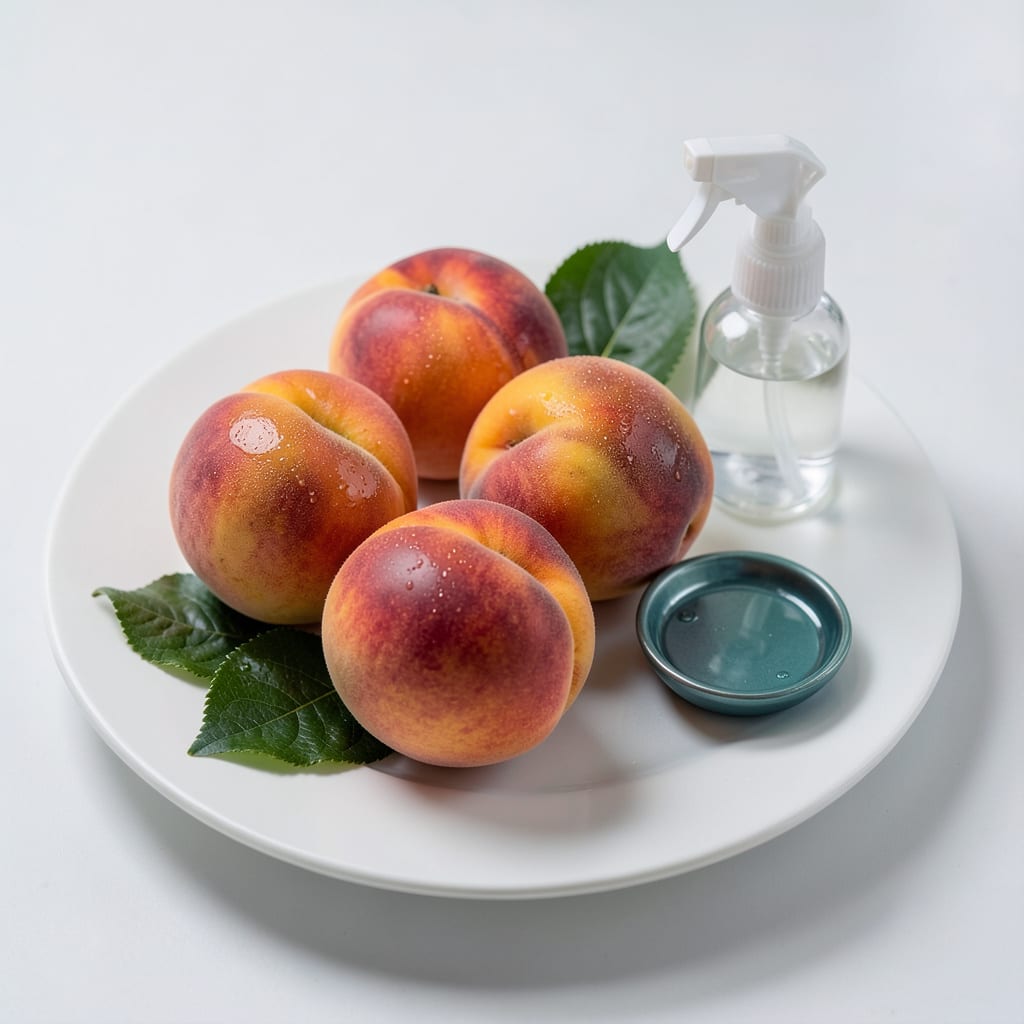
Those ugly black spots on your peach tree leaves aren’t just unsightly—they’re stealing your harvest. I lost half my crop one season before learning how to stop this disease in its tracks.
The first sign is small, water-soaked lesions that turn dark and crack. Left untreated, it spreads to fruit, causing sunken spots that ruin the skin. Copper sprays work fast, but timing and technique matter more than the product itself.
You’ll see improvement within 7-10 days of starting treatment, with new growth emerging clean. The key is combining sprays with cultural fixes like proper spacing and leaf cleanup.
Works for young trees and established orchards alike. Here’s the exact approach that saved my peaches.
The development of bacterial spot in peach trees is primarily driven by Xanthomonas arboricola pv. pruni, a pathogen that thrives under specific environmental conditions. Here’s a breakdown of the key causes:
Bacterial spot flourishes in warm, wet environments. Prolonged rainfall, high humidity, or overhead irrigation create the perfect breeding ground for the bacteria. Water droplets on leaves and fruit allow the pathogen to spread rapidly, entering through natural openings or wounds.
The bacteria can overwinter in infected plant debris, such as fallen leaves, twigs, or fruit. If these materials are not removed, they serve as a reservoir for the pathogen, which can reinfect trees in the following growing season. Pruning tools or contaminated hands can also spread the bacteria between plants.
Moderate temperatures (68–86°F or 20–30°C) accelerate bacterial growth. Sudden temperature swings, especially after wet periods, can stress the tree and make it more susceptible to infection. This is why outbreaks often occur in spring or early summer.
Neglecting sanitation practices, such as failing to remove infected plant parts or not disinfecting tools, allows the bacteria to persist. Overcrowded orchards with poor air circulation also create microclimates that favor disease development.
Understanding these causes helps in implementing targeted treatments, such as copper-based sprays, which are most effective when applied preventatively.
Peach bacterial spot can be stubborn, but these targeted solutions help stop the spread and restore tree health. Address each cause directly for the best results.
💡 Pro Tip: Remove debris from under the tree year-round. Fallen leaves and fruit harbor bacteria over winter.
✨ Pro Tip: Rotate copper sprays with other bactericides (e.g., streptomycin) to reduce resistance.
Apply copper bactericide every 7-10 days during wet seasons. Start preventative sprays in early spring before buds break for best results.
No, never compost infected material. Burn or bag it to prevent the bacteria from spreading back to your trees.
Thin out branches to open the canopy. Use drip irrigation instead of overhead watering to keep foliage dry.
You should see new growth emerging clean within 7-10 days. Existing spots won’t disappear but new ones won’t form.
