
Beautiful Plants For Your Interior
Beautiful Plants For Your Interior
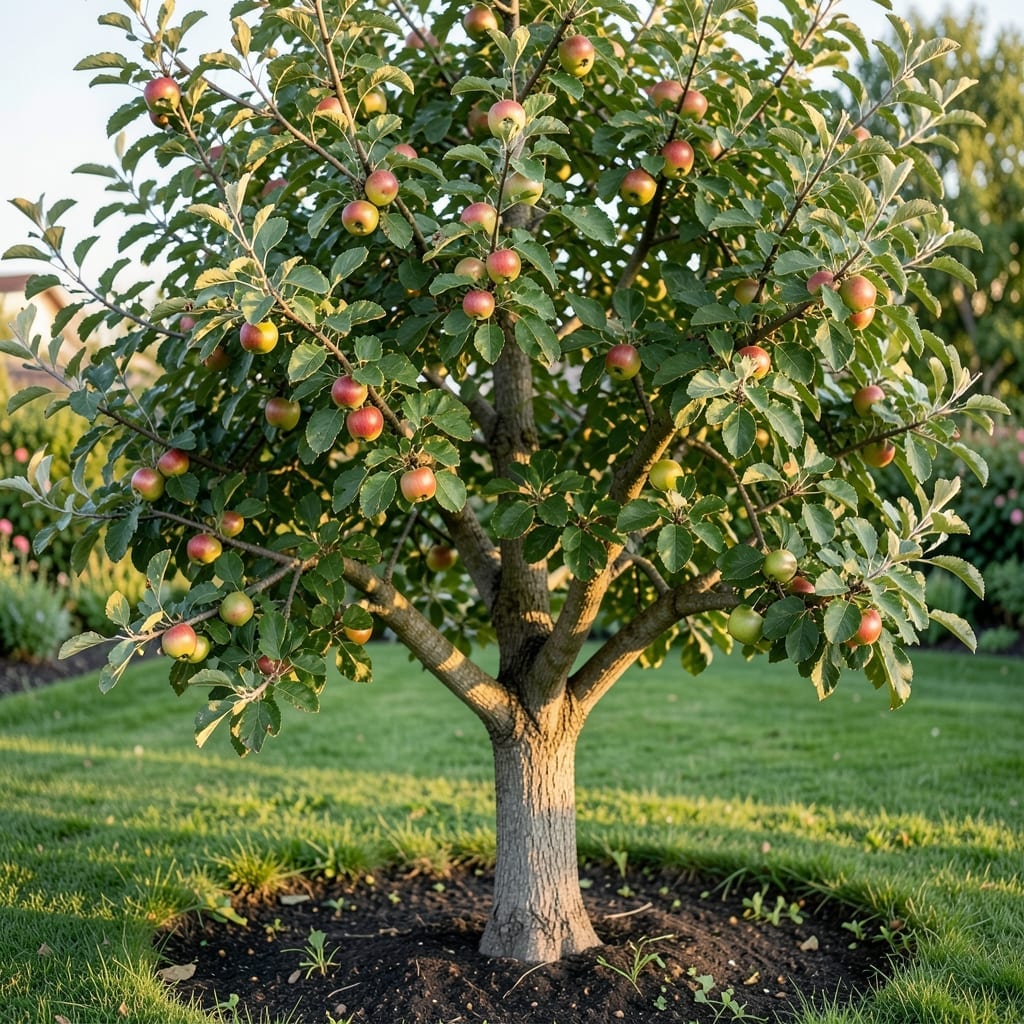
Those brown spots on your apple tree leaves aren’t just unsightly—they’re a warning sign. I’ve seen entire orchards lose their harvest to ignored leaf spots, but catching them early changes everything.
Apple scab, bacterial leaf spot, or even drought stress can cause this. The good news? Most cases respond well to organic treatments and better care habits. You don’t need harsh chemicals to turn things around.
With the right approach, you’ll see healthier foliage within 2-3 weeks. The key is identifying the exact cause first—what works for fungus won’t touch a bacterial issue.
This method works for backyard trees and small orchards alike. Let’s save your apples before the problem spreads.
Brown spots on apple tree leaves are often a sign of underlying issues that can affect the health and productivity of your tree. Understanding the root causes is the first step toward effective treatment. Below are the most common reasons behind this problem:
Fungal diseases like apple scab (Venturia inaequalis) and cedar-apple rust (Gymnosporangium juniperi-virginianae) are primary culprits. These pathogens thrive in wet, humid conditions, producing spores that infect leaves. Apple scab causes dark, olive-green to brown spots with feathery edges, while cedar-apple rust creates bright orange or brown lesions. Action: Remove fallen leaves and debris to reduce spore overwintering, and apply organic fungicides like copper or sulfur sprays in early spring.
Insects such as apple maggots, aphids, or mite populations can damage leaf tissues, leading to browning. Aphids, for example, suck sap from leaves, causing stress and discoloration. Mites create stippling or bronze-like spots. Action: Introduce beneficial insects like ladybugs or use neem oil to control pest populations naturally.
Extreme weather conditions—such as drought, heatwaves, or frost—can stress apple trees, resulting in brown spots. Drought stress limits water uptake, causing leaf scorching, while frost damage disrupts cellular structures. Action: Ensure consistent watering (1–2 inches per week) and use mulch to retain soil moisture. Protect young trees from late frosts with frost cloths.
A lack of essential nutrients, particularly potassium or magnesium, can manifest as brown or yellowish spots on leaves. Potassium deficiency often causes leaf edges to brown and curl, while magnesium deficiency leads to interveinal chlorosis (yellowing between veins) with brown spotting. Action: Conduct a soil test and amend with organic fertilizers like compost, greensand (for potassium), or Epsom salt (for magnesium).
Overuse or improper application of pesticides, herbicides, or synthetic fertilizers can cause chemical burn, leading to brown, necrotic spots. Even organic sprays like sulfur can damage foliage if applied during high temperatures. Action: Always follow label instructions, apply treatments during cooler parts of the day, and avoid spraying in direct sunlight.
Tackling brown spots on your apple tree leaves starts with pinpointing the cause and applying the right fix. Here’s a practical guide to solving the most common issues, with prevention tips to keep your tree thriving. 🌳✨
Fix: Remove and destroy infected leaves and fruit to stop the spread. Apply neem oil or a baking soda solution (1 tbsp baking soda + 1 tsp dish soap + 1 gallon water) every 7–10 days until symptoms improve. For severe cases, use copper fungicide (follow label instructions).
Prevention: Prune branches to improve airflow, avoid overhead watering, and clean up fallen leaves in autumn. Plant resistant apple varieties like ‘Liberty’ or ‘Enterprise’ for long-term protection. 💡
Fix: Blast pests off leaves with a strong stream of water. Introduce beneficial insects like ladybugs or lacewings, or use insecticidal soap or horticultural oil for stubborn infestations. Apply in the early morning or late evening for best results.
Prevention: Encourage biodiversity with companion plants (e.g., yarrow, dill) and avoid over-fertilizing, which attracts pests. 🎯
Fix: For drought stress, water deeply at the tree’s base (1–2 inches per week) and mulch with straw or wood chips to retain moisture. If sunburn is the issue, provide shade cloth during peak afternoon heat. Reduce watering for overwatered trees and improve drainage.
Prevention: Use a drip irrigation system to maintain consistent soil moisture and avoid wetting the leaves. ✨
Fix: Apply Epsom salt (1 tbsp per gallon of water) for magnesium deficiencies, or use a balanced organic fertilizer (e.g., 10-10-10) for potassium. Foliar sprays can provide quicker absorption.
Prevention: Test your soil annually and amend with compost or organic matter to maintain nutrient balance. 🌱
Regularly inspect your apple tree for early signs of trouble, and act quickly to keep those leaves green and healthy!
Fungal spots often have defined edges or feathery margins, while pest damage appears as stippling or irregular browning. Check leaf undersides for tiny insects or webbing to confirm pest activity.
Yes, for fungal issues, remove and destroy infected leaves to prevent spores from spreading. Clean up fallen leaves too, as they can harbor pathogens overwinter.
Overwatering leads to root stress and poor oxygen uptake, which can manifest as brown, crispy leaf edges. Water deeply but infrequently to maintain balance.
Yes! Varieties like ‘Liberty’ and ‘Enterprise’ are bred for fungal resistance. Planting these can reduce future issues significantly.